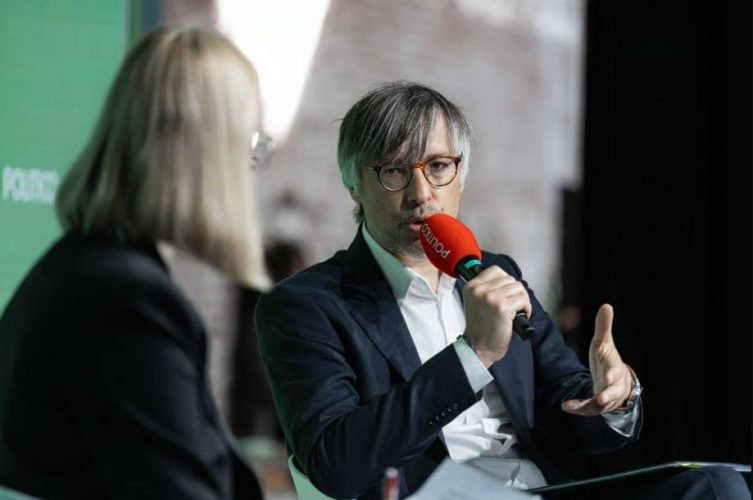
The pace at which the EU is forcing European industry to reduce carbon dioxide emissions is simply unsustainable. This was emphasized by Krzysztof Bolesta, Poland’s Deputy Minister of Climate and Environment, who warned that the EU’s moral environmental standards could leave it without an industrial sector.
The official voiced this criticism of the EU Emissions Trading System (EU ETS) at the POLITICO Energy & Climate Forum in Brussels, according to POLITICO.
"This is madness. And it affects not just one industry, but several. So for me, this issue is really what we need to change," Krzysztof Bolesta emphasized.
The publication adds that EU authorities have promised to respond to calls from individual governments and business lobbyists. As early as July 2026, the European Commission is set to implement a series of concessions for industry aimed at mitigating the impact of the ETS. The main objective behind the upcoming changes is to extend the period during which assets are allowed to emit more carbon into the atmosphere for free.
"I’ve had many conversations with industry representatives around the world who asked, ‘What are you doing? It’s madness—what you’re doing with benchmarks and industrial climate policy,’" the Polish official stated.
It is already known that the EU is prepared to extend free allowances for a longer period without reducing their quantity. However, EU Climate Commissioner Wopke Hoekstra has hinted that, in exchange, businesses will likely be required to accept additional conditions. Above all, this may involve demonstrating investments in decarbonization projects for production.
EcoPolitic has previously analyzed who and why the European Emissions Trading System is most heavily criticized by.
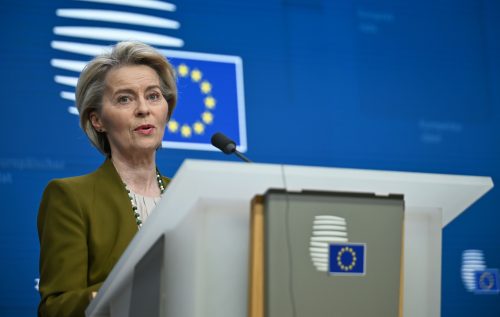
European authorities are already making concessions to business. In particular, European Commission President Ursula von der Leyen announced four targeted measures designed to reduce the burden on industry.
Among these was a review of the benchmarks that determine limits for free emissions allowances. Recently, these indicators have been published. EcoPolitics has also prepared material on the consequences of changing the benchmarks.