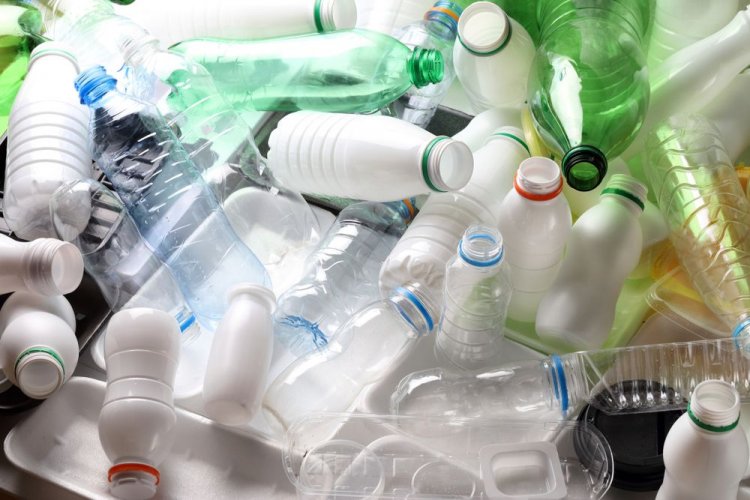
Greenpeace's new report Circular Claims Fall Flat Again stated that plastic recycling is a dead-end strategy, because every year the amount of plastic waste is increasing, recycling is decreasing, and most of the waste is not recyclable.
In the USA in 2021, households generated an estimated 51 million tons of plastic waste, of which only 2.4 million tons were recycled, reports Greenpeace.
So plastic recycling is down to around 5-6% in 2021 compared to 9.5% in 2014 and 8.7% in 2018. In addition, the industry plans to triple the production of plastic by 2050.
In the study, it was noted that most plastic simply cannot be recycled, as no type of plastic packaging meets the definition of recyclable in the US. Even if the company accepts plastic for recycling, a significant part of it is burned or thrown away.
After all, according to EMF NPE standards, recyclable plastic must have 30% recycling. However, in the US, the 2 most common plastics, PET1 and HDPE2, which are often considered recyclable, have recycling rates of only 20.9% and 10.3%. For other types of plastic, this indicator reaches less than 5%.
Greenpeace USA Senior Plastics Campaigner Lisa Ramsden highlighted that corporations such as Coca-Cola, PepsiCo, Nestlé and Unilever have worked with industry groups for decades to promote plastic recycling as a solution to plastic waste. But the data is clear: most plastic is simply not recyclable. The real solution is to switch to reuse and refill systems.
It was noted in the material that plastic waste is extremely difficult to collect, it is almost impossible to sort it. In addition, they often contain toxic substances, which makes their processing economically unprofitable.
"We are at a decision point on plastic pollution. It is time for corporations to turn off the plastic faucets. Instead of continuing to occupy and mislead the American public, the industry must stand on the right side of history this November and support the ambitious Global Plastics Agreement, which will finally end the era of plastic by significantly reducing production and increasing refilling and reuse," said Ramsden.
The piece highlighted that more than 99% of plastic is made from fossil fuels, and as big brands continue to depend on this harmful material, they are increasing the impact on the climate and putting communities at risk for profit.
Greenpeace called on companies to take several additional steps to mitigate the systemic problems associated with plastic recycling, including phasing out single-use plastics, committing to standardized reusable packaging and adopting a Global Plastics Agreement to help set international standards.
Earlier, EcoPolitic wrote, that a report by the environmental non-profit organization Change Markets Foundations said that statements by major consumer brands, including Coca-Cola and Unilever, about environmental friendliness of plastic packaging misleads consumers.
As EcoPolitic previously reported, in the Canary Islands, scientists have discovered a new type of coastal pollution, consisting mainly of oil and plastic, which they have proposed to call "plastitar". This unique material can be a broad threat to the marine ecosystem with unknown ecological consequences.