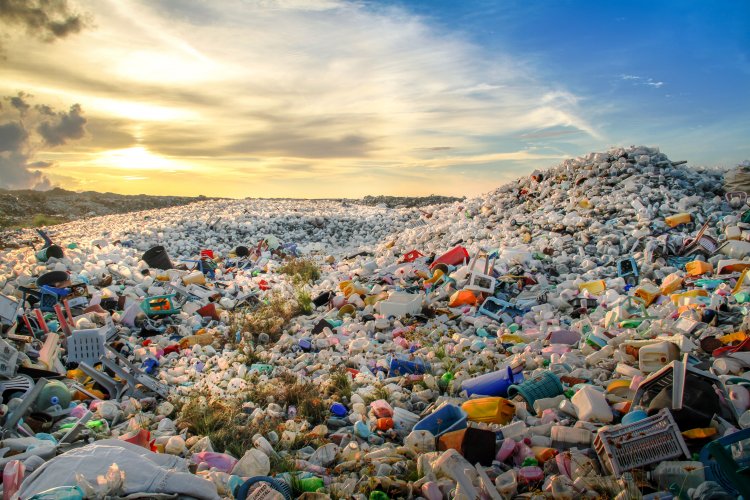
The negotiations, which took place in the South Korean city of Busan from November 25 to December 1, ended in failure – the delegations failed to conclude the Global Compact to Restrict Plastic.
This was reported by POLITICO.
The negotiations broke down late Sunday night after the participants from the countries failed to resolve their differences. Oil-rich countries, led by Saudi Arabia, refused to accept the agreement, which imposes restrictions on plastic production. In almost every round of talks over the past 2 years, these countries – which also include Iran and Russia – have been accused by other delegates and observers of delaying and obstructing progress in the negotiations.
The Busan summit was supposed to be the culmination of a two-year negotiation process, during which UN countries had previously agreed to “conclude a binding international agreement by 2024.” Greenpeace called it “the most important multilateral treaty” since the 2015 Paris Climate Agreement.
But in the end, the differences proved insurmountable. Negotiators were divided into two opposing camps: the first was made up of countries that wanted a comprehensive agreement aimed at tackling the root cause of the plastic pollution crisis – manufacturing; the second was made up of those countries whose economies are closely linked to fossil fuels.
POLITICO reports that on Thursday, the EU, along with more than 100 other countries, including the United Kingdom, supported Panama's new proposal, which insisted on a global goal of reducing plastic production to “sustainable levels.”
But, according to the publication's insider information, Saudi Arabia was coordinating pressure from oil-rich plastic-producing countries. Together, they sought to block any treaty proposals that threatened to reduce the production of this material. These countries have a strong financial interest, as the vast majority of plastic is produced from oil or natural gas.
In addition to disagreements over plastic production, the countries also failed to agree on whether and how to target particularly polluting plastic products and how to finance the agreement.
“While it is encouraging that parts of the text have been agreed upon, we must also recognize that several critical issues still prevent us from reaching a comprehensive agreement,” said Ecuadorian diplomat Luis Vayas, who chaired the talks and proposed suspending the difficult negotiations and rescheduling them for a later date.
Many observers and some delegates said the failure of the summit demonstrated the failure of consensus-based environmental multilateralism. They argue that requiring all countries to agree by consensus gives countries that are unwilling to do so too much veto power.
“What we saw in Busan was the use of consensus by a small number of countries to stop progress and undermine the negotiations. At the next session, countries must make clear once and for all that they are prepared to use all options, including voting, to conclude the treaty they continue to claim is needed,” said David Azoulay, Director of Environmental Health at the Center for International Environmental Law.
The date and time of the next round of negotiations have not yet been announced.
As EcoPolitics previously reported, negotiations on the Global Plastics Compact have begun in Korea, which is supposed to solve the global problem of plastic pollution.