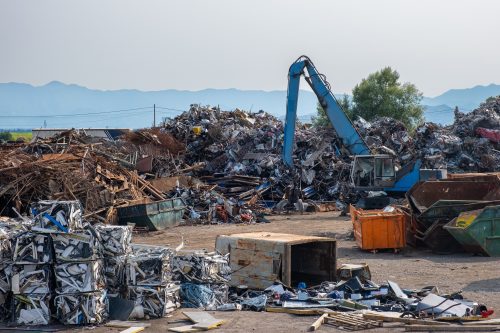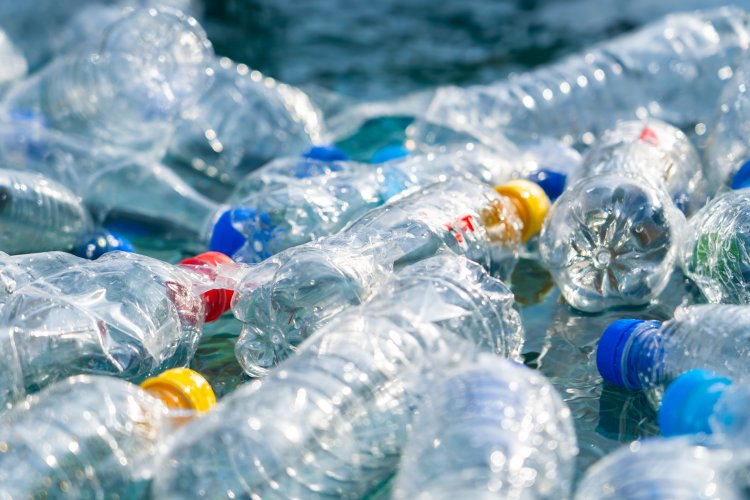
The plastic crisis has long reached a global scale. According to a new analytical report, "Overcoming the Plastic Wave 2025," if humanity does not reduce the rate of plastic production, in 15 years its amount in the environment will double, and the negative impact on human health will increase by 75%.
This is evidenced by data from research conducted by the Pew and Systemiq foundations.
A bleak scenario for the future
The "plastic" report contains rather bleak conclusions. If countries around the world do not urgently begin to restrict the production and use of plastic, the following will happen:
- Within 15 years, global plastic pollution will increase more than twofold. This is directly driven by the pace of pollution. According to data for 2025, 130 million t of plastic enter the environment annually. By 2040, this figure will rise to 280 million t per year.
- The recycling industry will not keep up with the growing plastic production. By 2040, annual primary plastic production will increase by 52% to 680 million t. At the same time, waste management will reach a maximum of 26% increased capacity, and only if significant investments are made. Collection and disposal costs will rise by 30% to $140 billion, and the share of uncollected plastic waste will grow from 19% to 34%.
- The negative impact on human health will grow by 75%. Currently, the world spends $1.5 trillion combatting the health consequences of chemicals contained in plastic. The report emphasizes that this does not even include data on microplastics.
- Greenhouse gas emissions will rise. By 2040, emissions from plastic production will increase by 58% to 4.2 gigatonnes of CO2. Analysts compare these figures to the emissions of 1 billion gasoline-powered cars.
- The share of microplastics in total plastic pollution will rise to 79% in wealthy countries. Currently, these tiny toxic particles account for 13% of global pollution. This increase is mainly due to tire and paint wear, agriculture, and recycling.
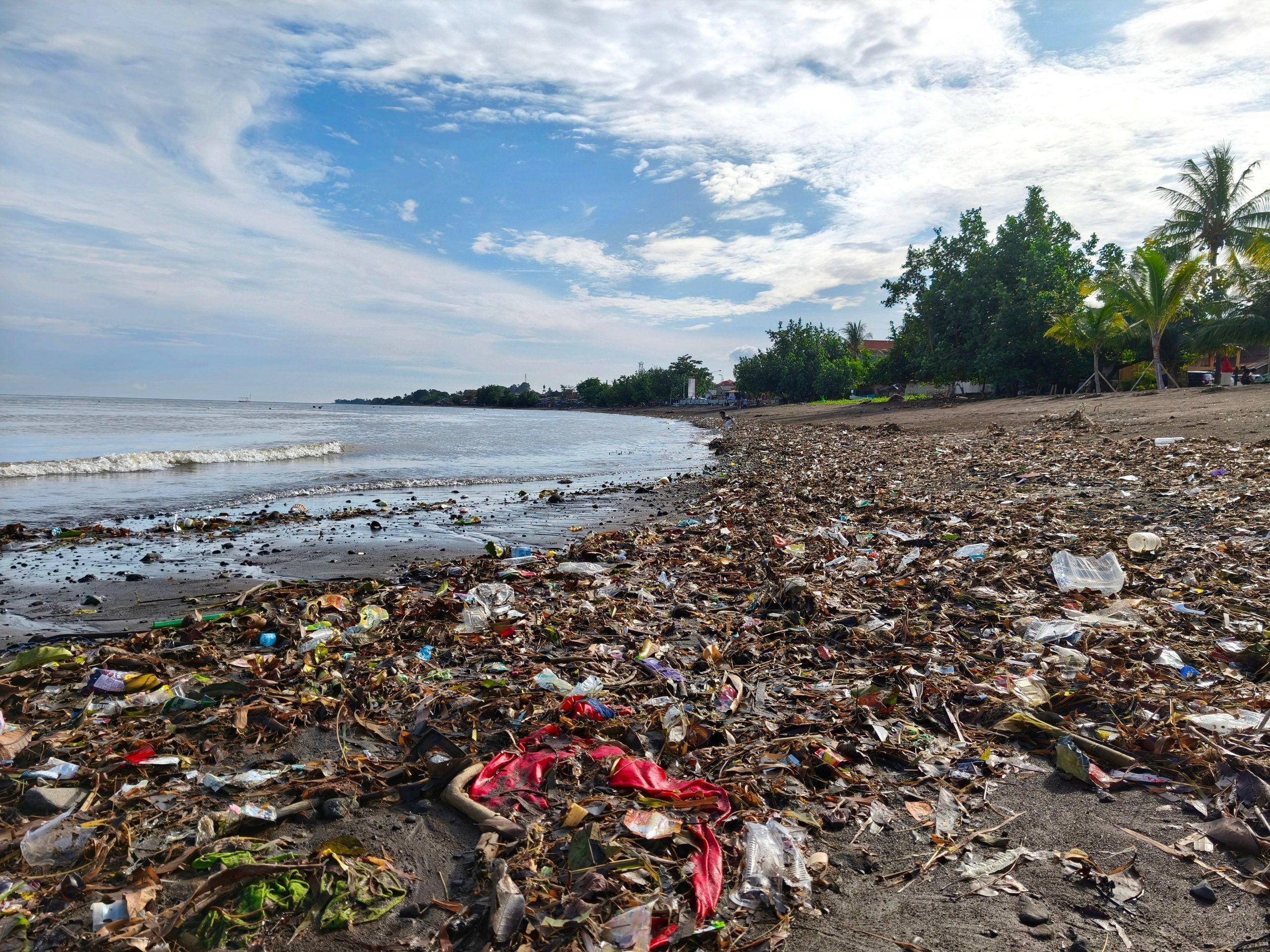
Source: shutterstock
An alternative scenario if the world unites against the problem
Analysts state there is an opportunity to avert or at least slow the catastrophe. This requires collective planetary efforts
- A comprehensive approach could reduce annual plastic pollution by 83% by 2040. The key recommendation is to reduce primary plastic production.
- Packaging pollution could be reduced to 3%. This is the largest source of plastic and could be almost entirely eliminated through recycling. To achieve this, researchers recommend redirecting investment from the production of “new” plastic to the use of existing plastic as raw material. An additional benefit of this transition is a decrease in greenhouse gas emissions from plastic production.
The researchers note that the world ought to transition to a new “plastic economy.” Initially, people who work in this sector will need support, but in the future, effective policies to combat plastic pollution could create new jobs.
EcoPolitic reported that previously, due to global warming and climate change, microplastics have become more toxic to the environment and are spreading more rapidly worldwide.