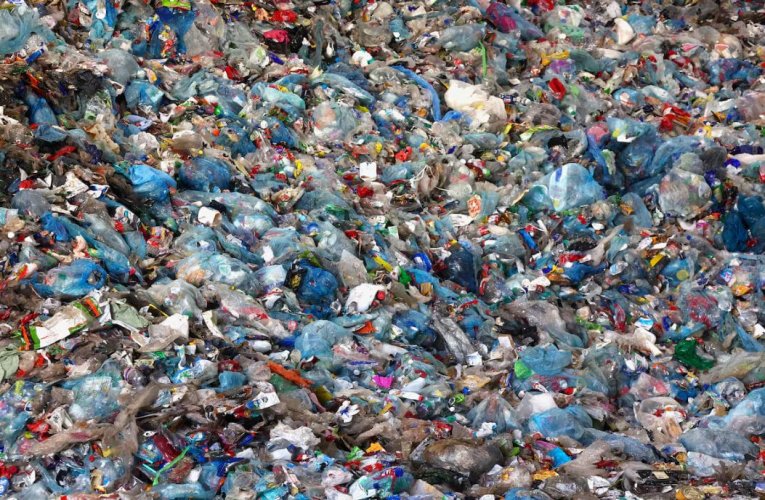
Global solutions for regulating plastic use are in question after the failure of UN negotiations in Geneva. Therefore, a number of global product and packaging manufacturers have agreed on their own Plastics Agenda for Business 2030.
According to Reuters, the signatories include PepsiCo, Nestle, and Unilever.
The "plastic" alliance has brought together corporations that seek to limit the impact of global warming. Together, these companies produce 20% of the world's plastic packaging. However, between 2018 and 2024, they have tripled their use of recycled materials.
"It is encouraging to see multinational corporations publicly reaffirming their commitments on plastic use. But trust now depends on evidence, not new promises," the publication quotes Kelly Cooper, a sustainability consultant and co-author of a Harvard study on the impact of policy changes on corporate sustainability.
"Green silence"
Corporate climate initiatives are now facing indirect pressure from White House policy. Due to the Trump administration's cancellation of a number of environmental programs, businesses are experiencing rejection of their sustainable development policies. They also fear condemnation from activists. Therefore, corporations prefer to remain silent about their environmental progress in public statements. This is evidenced by a Harvard study, and scientists call this business strategy "green silence."
However, such business initiatives outside of government action could set a precedent. This indicates the market's readiness for change and could pave the way for scaling up approaches to plastic reduction at the state and international institutional levels.
EcoPolitic wrote about the progress of negotiations on restricting the use of plastic. Europe also planned to agree to increase the use of recycled plastic in car manufacturing to 25% within ten years.