Australia is accelerating its abandonment of coal due to the growth of the RES sector, due to the high potential of sunlight and wind and the relatively low cost of installing renewable infrastructure.
Although the country is one of the largest exporters of coal in the world, "green" electricity is cheaper than fossils, according to Impactor
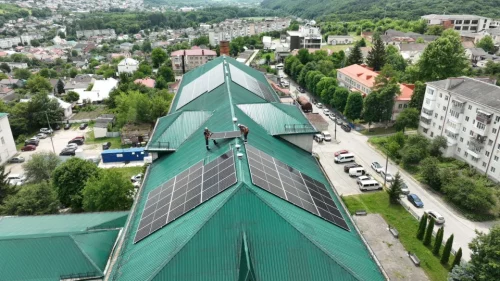
Australia is the world leader in solar energy for residential buildings, where almost a third of homes are equipped with SES. Thus, the demand for energy during the day - when the roofs are "bathed" in sunlight - fell to record lows and reduced profits from more expensive electricity production from coal.
"Daily demand is becoming so low that coal-fired power plants are fighting to stay together," said Joanna Bower, a leading research analyst at the Institute of Energy Economics and Financial Analysis.
For example, Eraring, Australia's largest power plant, will shut down in August 2025, but Origin Energy plans to begin installing a 700-megawatt battery before it is shut down to integrate it into New South Wales' RES system.
Origin Energy estimates that the restoration and rehabilitation of the power plant will cost about A $ 240 million ($ 170 million).
In 2021, Australia installed an additional 3.2 gigawatts of "domestic" solar energy, which is more than the capacity of the Eraring power plant and cheaper. This makes coal-fired power plants uneconomical in the future.
Australia's electricity sector accounts for almost a third of the country's direct emissions, and more than 85% of that total comes from the country's coal-fired power plants. Thus, the Eraring power plant emits 12.7 million tons of carbon dioxide annually.
"That one of the world's largest exporters of coal and the source of some of the largest per capita emissions from fuel is declining faster than expected, indicating that a transition is possible, ”said Richie Merzian, director of climate and energy at the Australian Institute's think tank.
The article noted that the rapid expansion of renewable energy production in Australia gives it a significant competitive advantage and the opportunity to set an example around the world in the avoidance of fossil fuels.
We will remind, Australia will spend $ 50 million for capture centers and carbon storage.
As EcoPolitics reported earlier, the G7 countries have identified terms of decarbonization of energy.