The British multinational monopoly BP (formerly British Petroleum) is abandoning its “green” goals to reduce oil and gas production by 2030.
This information is published by Reuters, citing its own sources.
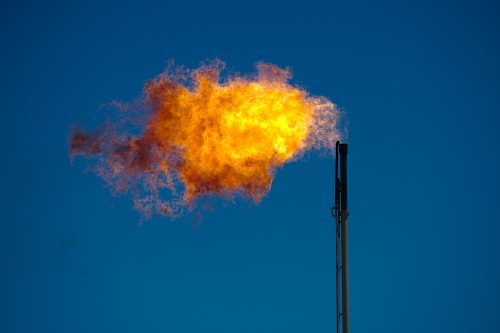
On the contrary, BP wants to increase production of these minerals in 3 fields: two in Iraq and one in the Gulf of Mexico. The company is also considering investing in increasing production in the United States and reconstructing fields in Kuwait.
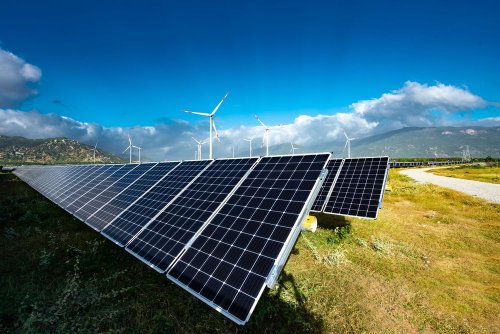
In 2020, BP presented a strategy to reduce oil and gas production by 40% by 2023 and increase its own renewable energy capacity in parallel. At the time, it was the most ambitious in the sector.
Last year, the company lowered its goals from 40 to 25%. However, BP continues to aim for zero net emissions by 2050.
Why did the strategy change?
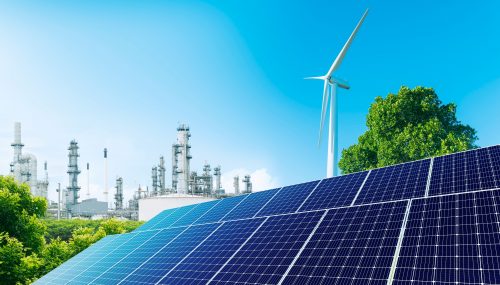
Since 2020, the British company has invested billions in new low-carbon businesses and drastically reduced its oil and gas exploration team. But supply chain issues and skyrocketing costs and interest rates have further impacted the profitability of many renewable energy companies.
The publication claims that BP is completely refusing to cut production in order to restore investor confidence and increase the value of the company's shares.
However, BP has acquired the remaining 50% in its solar joint venture Lightsource BP, as well as a 50% stake in Brazilian biofuels business Bunge.
Reuters recalled that rival Shell also slowed down its energy transition strategy after Vael Savan took over as CEO in January. He sold off electricity and renewables businesses and wound up projects that included offshore wind, biofuels and hydrogen.
Changes in both companies occurred as a result of renewed attention to European energy security after the price shock caused by Russia's invasion of Ukraine in early 2022, the publication writes.
As EcoPolitic reported earlier, in January 2023, a new forecast from oil and gas giant BP showed that Russian-Ukrainian war will affect on the long-term demand for energy carriers and will accelerate the global "green" transition.