The Portuguese integrated energy company Galp aims to reduce absolute emissions (scope 1 and 2) by 40% by 2030 and carbon dioxide emissions (scope 1, 2 and 3) by 40% in production and 20% in downstream sales.
To do this, the company has updated its strategy aimed at sustainable investment in an accelerated energy transition, report Forbes.
Galp already has a clear roadmap for developing a sustainable business and achieving net zero emissions by 2050. The company aims to transform its portfolio to become a dynamic, customer-focused digital company with a significant presence in the renewable energy and new energy industries, and to gradually decarbonize industrial operations and transform them into green energy hubs.
To do this, by 2025, about 50% of net investment is directed towards the energy transition, of which 35% will be directed to renewable energy production and new businesses.
"Energy is a high-tech, extremely complex business. Demand for oil is still strong, so we must support our legacy industry, which provides the funds to invest in the transition to our non-oil activities," said Katharina Seitil, Head of Business Transformation at Galp Energia S.A.
The paper noted that creating the best possible energy balance for the future involves combining modern technology with manufacturing processes to generate more value and improve efficiency.
Galp uses the best reporting standards and guidelines to promote transparency in its dealings with stakeholders. A company's carbon footprint is calculated on an annual basis using the methodological framework established by the Greenhouse Gas Protocol, a corporate accounting and reporting standard supplemented by relevant industry regulations.
Galp also annually assesses risks to biodiversity and water and is a leader in environmental, social and governance indicators (ESG)
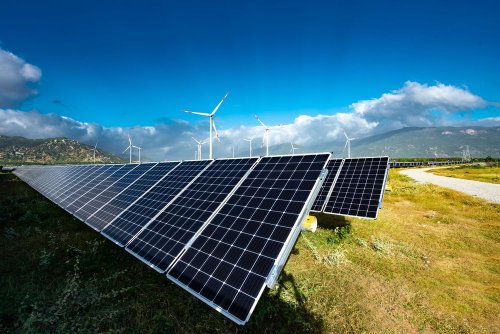
Galp's future business prospects include solar parks in Brazil and a joint venture with Northvolt to develop capabilities in the battery value chain, including Europe's largest, most sustainable lithium conversion plant located in Portugal. Galp is also testing green hydrogen production waters under GreenH2Atlantic, a consortium of 13 companies and research partners selected by the European Commission under the Green Deal to develop 100 MW green hydrogen production in Sines, Portugal.
This project will transform a former coal-fired power plant into an innovation hub for the production of hydrogen from renewable sources, in line with European decarbonization and energy transition strategies.
Galp relies on SAP's solution to maintain the necessary balance between its legacy industry and new businesses during the transition period. This development is key to a massive, comprehensive transition.
"SAP ERP programs have supported Galp's business for 25 years, and now SAP S/4HANA connects and balances the two worlds. Back in the 1990s, the goal was to customize. There were no great solutions that didn't need to be adapted. Today we standardize to optimize. We are focused on implementing standard, off-the-shelf solutions that meet specific needs," Satil said.
The company's needs are focused on a new business model that reflects the consumption patterns of the open, digital and sharing economy. One of the strategic decisions was the integration of all business-to-business and business-to-consumer segments into one commercial business unit, including all oil products, gas, electricity, non-fuels and services.
"This approach helps us to better understand the needs of our customers and provide appropriate solutions for businesses and customers in all regions where we operate," Satil said.
The paper also noted that regulation, technological development and lowering the cost of low-carbon options are leading society towards a cleaner future.
Recall US drilling company announced ambitious target for decarbonization by 2030.
As EcoPolitica reported earlier, three key points on the way to decrease. carbon emissions in the steel industry.