Extremely high temperatures are having a significant and extremely negative impact on the European Union’s economy. The EU is expected to lose €180 billion due to the summer heatwave. This represents around 1 per cent of its GDP and is equivalent to the growth the bloc’s economy was forecast to achieve in 2026.
This is reported by Politico, citing an analysis by Triodos Bank.
According to forecasts, France will lose the largest share of GDP growth — 1.4 per cent. This is enough to effectively push the country into negative territory, as its economy will contract by 0.6 per cent. In the Netherlands, the economy is expected to contract by 0.8 per cent, which will ‘eat up’ all its projected growth. However, countries that have spent years adapting to high temperatures will suffer slightly less.
“The result is not simply that the hottest countries lose the most. Spain and Italy face the greatest physical impact and the highest number of hot days in absolute terms, but decades of acclimatisation mean that the marginal impact of any single hot day is relatively small,” the analysis states.
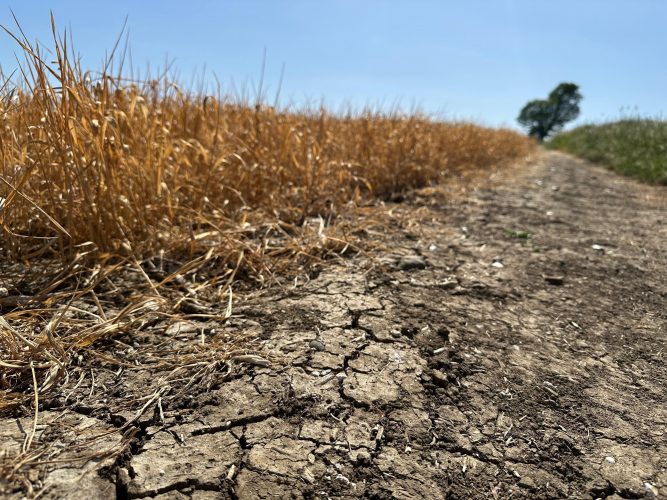
The sectors hardest hit will be those where people are forced to work in extreme heat. For instance, the loss of labour productivity could reduce GDP by 0.6 per cent. At the same time, agricultural production risks falling by 3–7 per cent.
Summer is not over yet
In the United Kingdom and France, the fifth heatwave is expected in 2026. Extreme temperature rises are expected as early as this week, with forecasts of up to 40°C in eastern France and up to 36°C in the UK.
In the six countries hardest hit by the heat, there have been at least 14,000 additional deaths, referring only to the period from mid-June to early July.
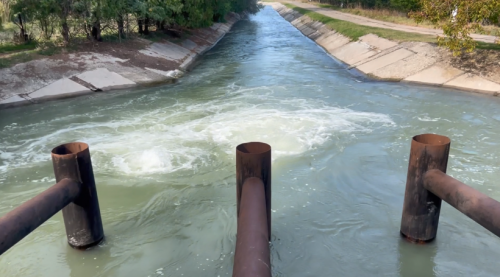
Drought has also caused extra damage, harming the European energy system. Ships on the Rhine and Danube had to travel only partially loaded, and in Hungary, a nuclear power plant sharply reduced generation.
Meanwhile, Austrian farmers have already suffered losses from the heat amounting to around €1 billion. Since mid-June, some regions there have received 75% less precipitation than usual.
EcoPolitic reported that Western Europe experienced the hottest first two months of summer on record. In particular, this has affected rivers and lakes, which are rapidly losing water.
Effective advice on how to cope with high temperatures can be found here.