A summer of record-breaking temperatures, droughts and wildfires has made this the hottest summer on record for Western Europe since meteorological observations began. And whilst scientists emphasise that Europe is warming faster than anywhere else in the world, global ocean temperatures have reached their highest levels across the entire planet.
Europe Ablaze
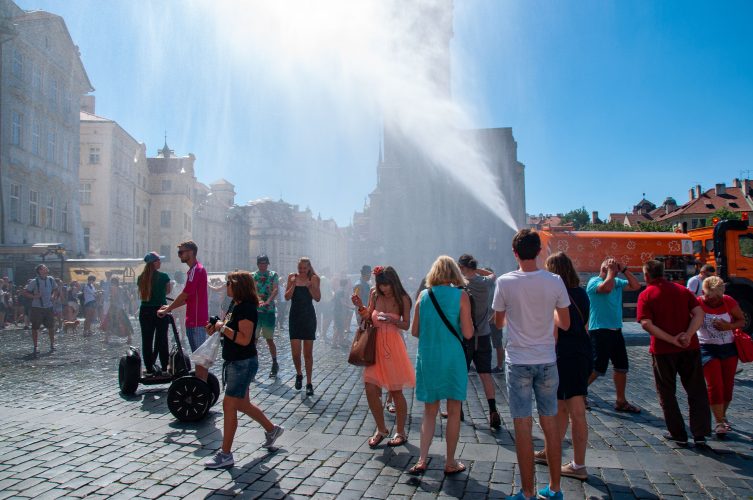
During the first two months, Europe experienced successive heatwaves, abnormally high temperatures and a lack of rainfall. According to Euractiv, the European Copernicus service noted that the 2022 record had been broken. The average temperature in Western Europe for June and July was 21.62°C – 2.79°C warmer than usual.
The previous severe drought was recorded in July 2022. However, the figures for 2026 were even lower.
“This is a striking example of how climate change is intensifying extreme heat, with heat and drought increasingly reinforcing each other,” said Samantha Burgess of the European Centre for Medium-Range Weather Forecasts, which manages the Copernicus programme.
Extremely dry weather was observed across Western and Central Europe. This included Spain, France, Hungary, Austria, Ireland, the UK and even parts of Iceland.
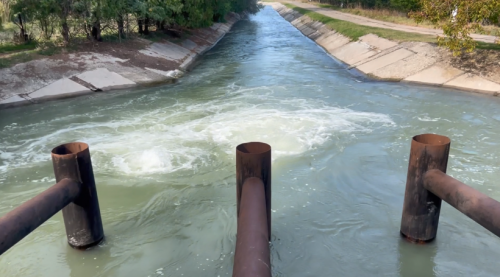
This affected water levels in European rivers. The Danube, the Rhine and the Seine were the worst affected.
At the same time, the combination of heat and drought proved extremely conducive to fires. According to scientific observations, with climate change, the frequency of extreme fire-hazard conditions in Europe is constantly increasing.
Boiling Oceans
Due to the devastating heat in July, the temperatures of the world’s seas were the highest ever recorded for any July in meteorological history.
According to Copernicus data, records were set along the Atlantic coast and in the western part of the Mediterranean. At the same time, just like the land, Europe’s seas were persistently hit by powerful heat waves.
The average global sea surface temperature in July was 20.96°C, surpassing the previous record in 2023.
“We are now facing a very strong El Niño – possibly unprecedented in its amplitude. Clearly, the input coming from the tropical Pacific is becoming quite significant,” said Copernicus programme director Carlo Buontempo.
EcoPolitic reported that over 30 years in Ukraine, approximately 30% of rivers have dried up or become fragmented. The global water crisis has also affected people in Europe and the United States.
Because of the heat, Europe was engulfed by unprecedented fires, with even Ukrainian rescuers being involved in firefighting efforts.