The Ukrainian cement producer reduced CO2 emissions to 578 kg per ton of products

The Ukrainian cement producer reduced CO2 emissions to 578 kg per ton of products shutterstock
Hanna Velyka

This is the next stage of decarbonization of cement, commercial concrete and reinforced concrete products

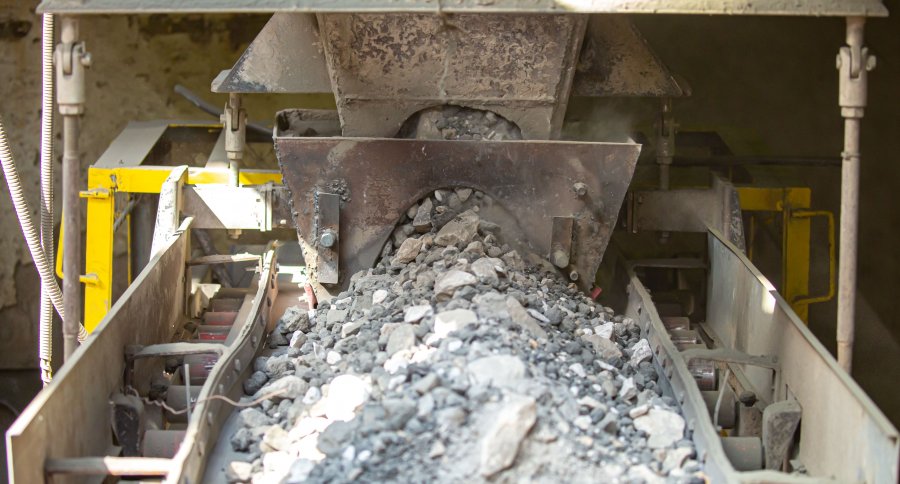
CEMARK achieved a reduction in CO2 emissions to 578 kg/t and increased the use of alternative fuels to 19.4%.

The organization, which unites Mykolaivcement, Kamianets-Podilskyi and Odesa cement plants and is part of the CRH Group, announced this on Facebook.

CEMARK enterprises implement innovations that have helped them reduce the clinker content in cement to 71.3%. According to company representatives, this indicator is a significant improvement compared to 2021.

"This is a big step in the fight against greenhouse gas emissions, which helps reduce our impact on the environment," says the manufacturer.

He says that the specific CO2 emission figure of 578 kg/t of cement is significantly lower than in 2021.

The company reported that such a result was achieved thanks to constant work on the introduction of alternative types of fuel and optimization of technologies.

Earlier, EcoPolitic reported that the company "Interpipe" presented new environmental policy. We also introduced the opinion of experts about what decarbonization of construction needs new ecological approaches.

You can familiarize yourself with the TOP-10 Ukrainian companies implementing green projects in our material.


Related
Wind energy has added over 700 MW of capacity since the start of the full-scale war — UEA

The overall output of the new generation of wind farms in 2026 could be almost double that of 2025

The vision for the country’s decarbonisation: the government has approved a long-term strategy up to 2050

The document covers eco-modernisation, improving energy efficiency and the development of 'green' sectors of the economy

Solar power saves Europe €136 million a day during the war in Iran

Experts stress the importance of developing the energy storage sector to make clean energy more reliable

Billions of euros to support renewable energy and the clean energy transition: examples from Lithuania, Austria and Italy

Lithuania will provide funding for the energy-efficient refurbishment of buildings and promote sustainable transport