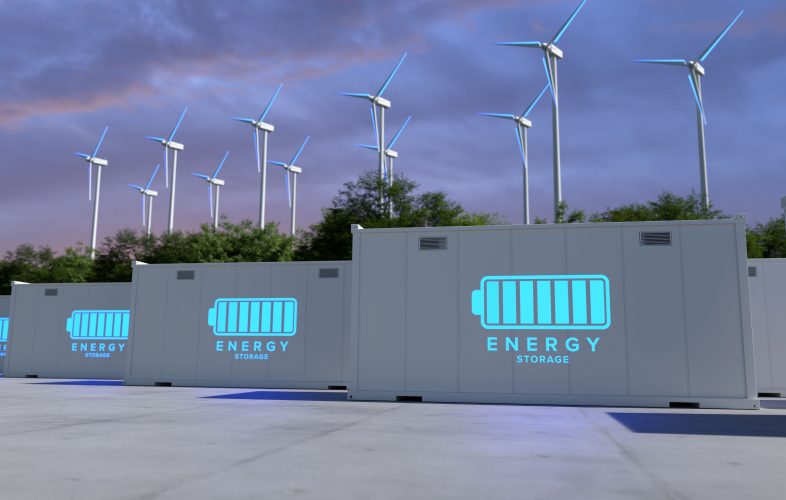
A rapid surge in the development of the energy storage market has secured Ukraine fourth place in Europe. In 2025 alone, batteries with a capacity of almost 3 GWh were installed in the country, which is five times higher than the figures for 2024. Ukraine is surpassed only by the United Kingdom, Germany and Italy.
This is evidenced by data from the European association SolarPower Europe.
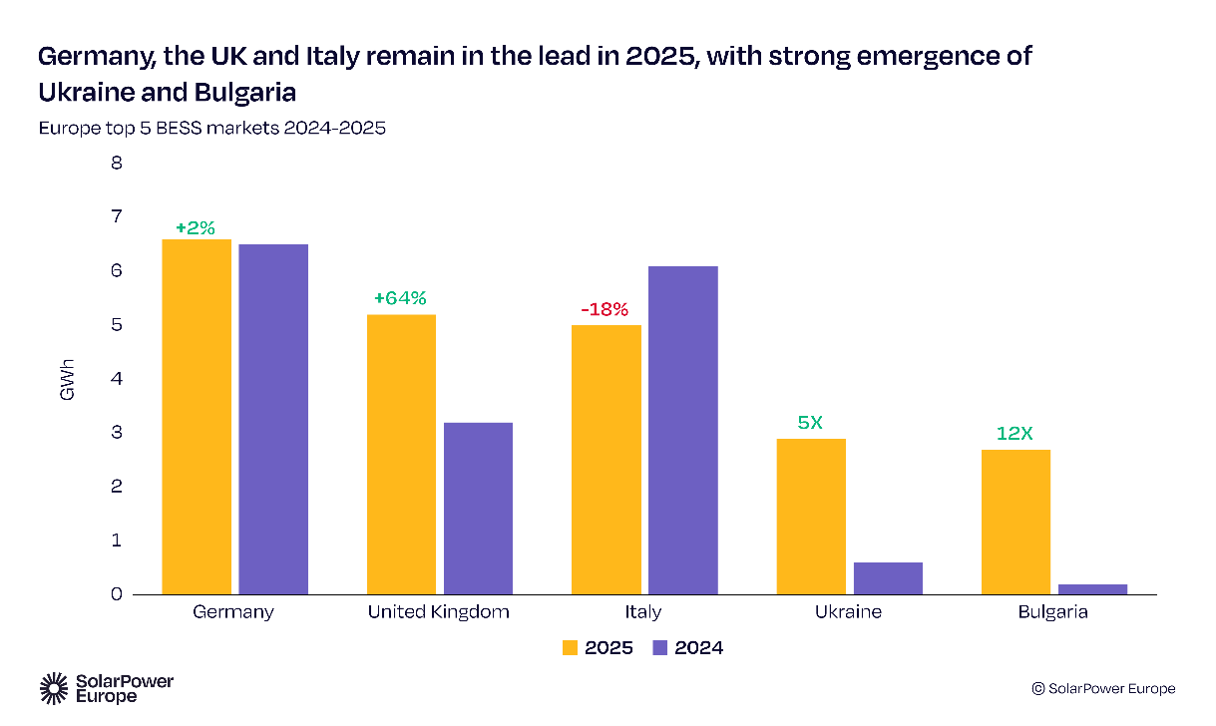
Джерело: SolarPower Europe
Households, educational and healthcare institutions, and private businesses are increasingly relying on solar power generation. At the same time, the installation of energy storage systems (ESS) provides a power source even during the hours of darkness. Over 60 per cent of batteries are installed in distributed energy storage systems, whilst around a third are installed on an industrial scale.
It is precisely this distributed segment, as the most developed, that sets Ukraine apart from other European countries. Industry experts note that Ukrainians opt for SNE primarily not to save money, as is the case in the EU, but to ensure a stable energy supply amidst an energy system devastated by war.
"Residents of blocks of flats and homeowners are installing small systems averaging just 3 to 5 kWh — roughly half the European average, and many do not have solar panels connected at all — simply to cope with power cuts,” said Vladislav Sokolovsky, chairman of the board of the Ukrainian Solar Energy Association (ASEU).
Portable charging stations with a capacity ranging from 0.6 to 2.5 kWh also have a significant impact on the volume of energy storage in the residential sector. Ukrainians are buying them to provide a backup power supply during power cuts.
The overall picture
Bulgaria added roughly the same amount of energy storage capacity as Ukraine did in 2025. However, whilst for Ukraine this has become a matter of sustainability, in Bulgaria it is linked to large-scale state financial support for utility companies.
Across Europe as a whole, 36 GWh of energy storage capacity was installed in 2025. This figure has been rising for the 12th year running. European countries are now capable of storing over 100 GWh of energy.
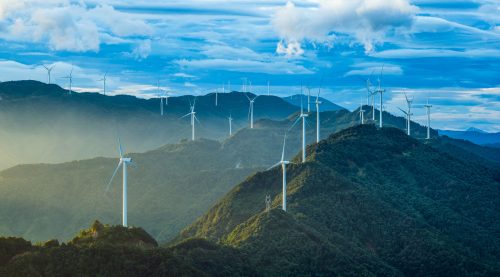
EcoPolitic previously reported that the wind energy sector in Ukraine already has a capacity of around 1.1 GW, whilst the solar sector has a capacity of 7.3 GW. The share of ‘green’ energy in total electricity generation in 2025 stood at 11 per cent.
EcoPolitics covered how Ukrainian businesses are developing their own solar power generation in a separate article.