Planting a million trees, replacing plastic with paper, building a solar power station — it all sounds wonderful and very eco-friendly. But there’s one awkward detail when it comes to environmental decisions: good intentions are by no means a guarantee of a positive outcome for nature.
If you fail to take into account the local ecosystem, a product’s full life cycle or the consequences of large-scale intervention, a ‘green’ initiative may turn out to be more harmful than the problem it was meant to solve.
EcoPolitic has collected 5 such examples.
1. Mass tree planting wherever possible
Trees are beneficial, but not everywhere and not all kinds. One of the most popular environmental ideas in Ukraine in recent years has been to plant as many trees as possible. Do you remember “A billion trees from Zelenskyy”? Companies report millions of seedlings planted, officials pose for photos with shovels, and the numbers look convincing. Thus, the main indicator of success becomes the number of trees planted.
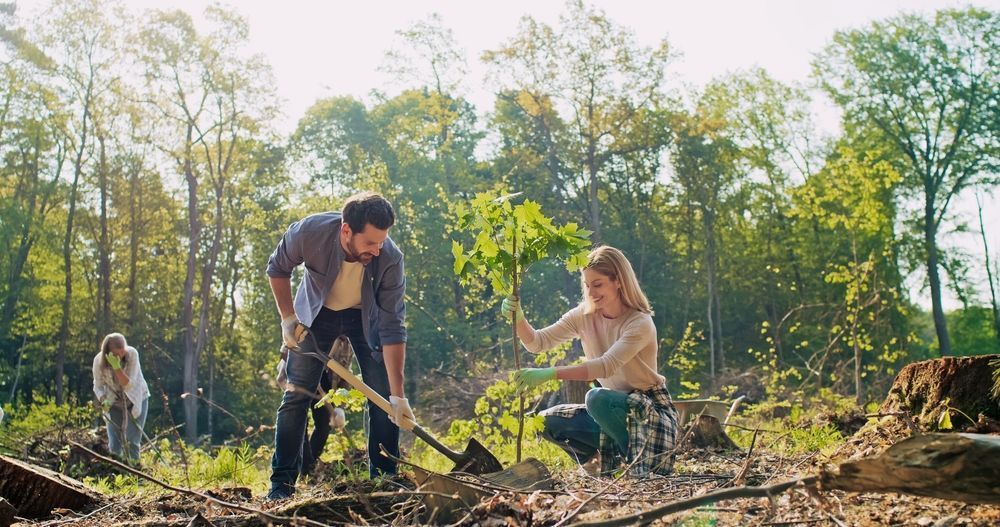
What is the problem? If monocultures of a single tree species are created, they become vulnerable to fires, drought, diseases, and pests. If species uncharacteristic for a particular locality are planted, they may simply fail to take root.
An even worse case is afforesting a steppe or meadow area. A treeless steppe is not “an empty plot that needs greening.” It is a full-fledged ecosystem with its own soils, plants, and animals. Foresting such territory may literally destroy the biodiversity one set out to protect.
2. Replacing all plastic with paper
Plastic has truly become one of the biggest environmental problems of our time. Thus, the simple answer seems obvious: remove plastic and replace it with paper.

But here’s where the magic of the life cycle begins. Producing paper requires wood, water, and energy. Paper products are usually heavier than plastic ones, so transporting them may also consume more resources. Some paper cups and packaging even have a plastic coating, which makes them significantly harder to recycle.
This does not mean that single-use plastic has suddenly become a good thing. Simply replacing one single-use item with another does not solve the problem of single-use consumption.
A paper bag that is used once and thrown away does not become environmentally friendlier. Yet an old reusable bag, even if it is not made of the perfect material, may prove a better choice if you are not buying a new one.
The “greenest” bag is the one that you already have at home.
3. Building “green” energy facilities on natural areas
Solar panels and wind turbines have become symbols of the transition from fossil fuels to clean energy. This is justified, as it would be extremely difficult to reduce greenhouse gas emissions without the development of renewable energy. However, the word “renewable” does not automatically grant a project immunity from environmental harm.
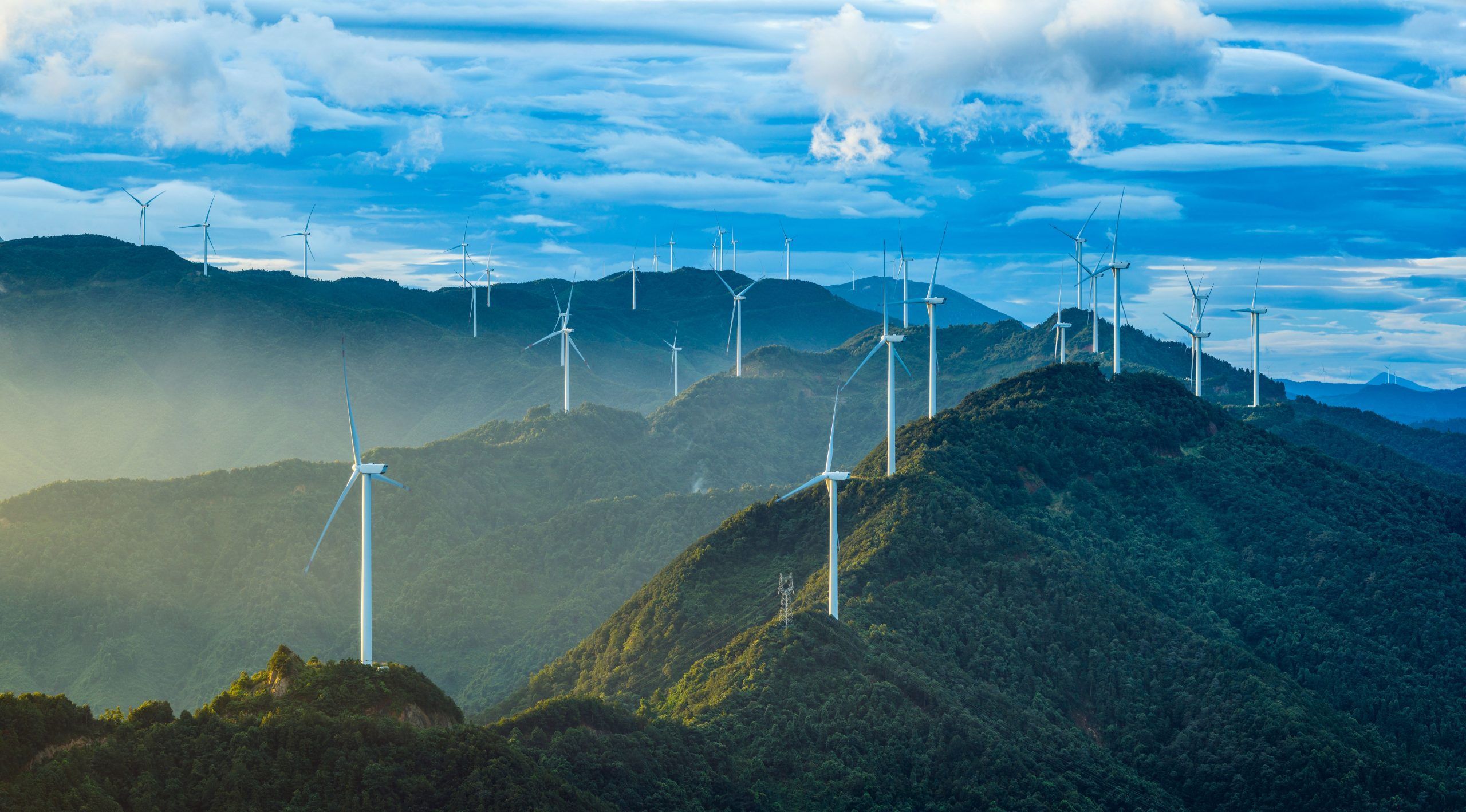
Large solar power stations require significant areas. If steppes are plowed up, natural vegetation is destroyed, or valuable habitats are taken for their construction, then the climate benefit may be accompanied by a loss of biodiversity.
The situation is similar with wind farms. An improperly chosen location can pose risks to birds and bats, especially along migration routes.
Therefore, if energy is “green”, it does not necessarily mean its facilities can be built anywhere. A responsible energy project should begin not with the question “where is there available land?”, but rather “where can we generate energy with the least harm to nature?”
Roofs, industrial sites, degraded lands, and already transformed territories are often much more logical locations than the protected meadows of the Carpathians or the last fragment of untouched steppe.
4. Growing biofuel at the expense of forests and natural ecosystems
The term “biofuel” sounds almost ideal. A plant absorbs carbon dioxide, we make fuel from it, and then we grow another plant. Seemingly, it is a closed cycle.

In practice, it all depends on what is grown and on which land. If forests are destroyed, peatlands are drained, or natural ecosystems are displaced for plantations of rapeseed, corn, soy, or oil palm, the environmental balance changes dramatically.
Soils and vegetation already store a tremendous amount of carbon. Destroying them can cause such emissions that the “green” effect of the produced biofuel would be difficult to find even with a magnifying glass.
There is another problem: if vast areas are used for growing fuel instead of food or preserving nature, we simply shift the ecological pressure from the fuel tank to the field.
Therefore, biofuels can only be part of the solution. The word “bio” at the gas station will never tell you how much nature was sacrificed for that liter.
5. Bringing parks to a state of “perfect cleanliness”
Here is a lawn trimmed to the centimeter. The leaves have been removed. Dry branches have been carted away. Old trees have been cut down. Bushes pruned. From the point of view of municipal workers – that's order. From the point of view of a hedgehog, beetle, mushroom, or titmouse – their housing stock has just been demolished.
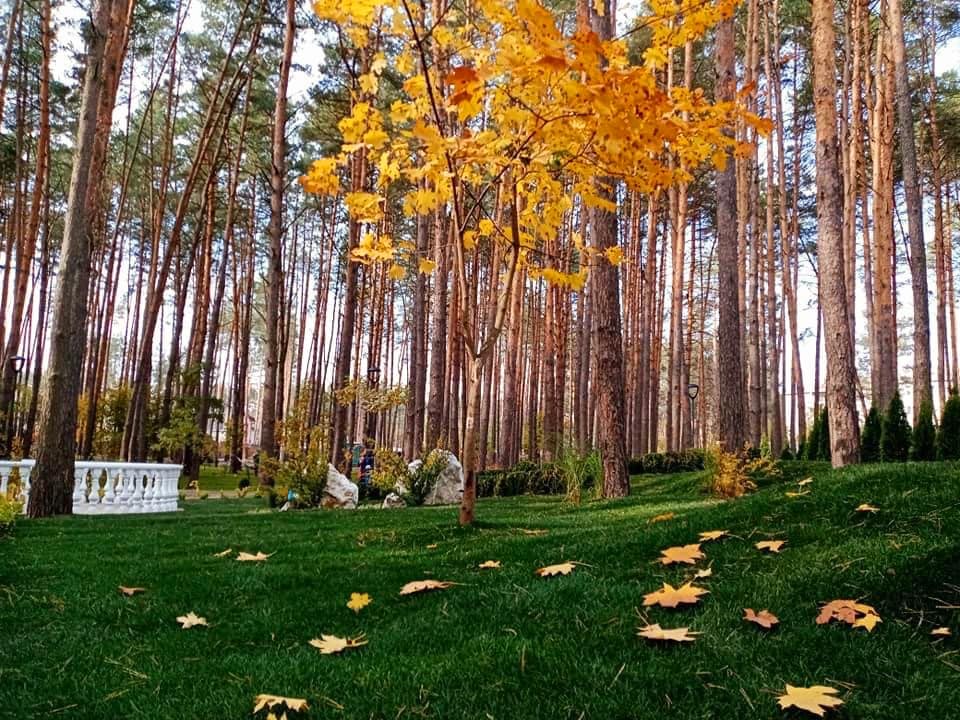
Urban nature is often made to resemble an interior: everything should be flat, clean, and preferably symmetrical. This is a very big mistake, and here is why.
Fallen leaves protect the soil and supply it with nutrients. Deadwood provides a habitat for insects, fungi, and birds. Old trees have hollows where bats and owls can live. Shrubs offer shelter for small animals.
If all this is removed, the park may remain green in photographs but will become very poor in terms of biodiversity.
Of course, hazardous emergency trees near roads or playgrounds must be removed. But there is a big difference between ensuring safety and the urge to sterilize every meter of nature.
Sometimes a pile of leaves under a tree is not a sign of poor work by municipal services. It is simply nature being allowed to be nature.
“Green” solutions must also be critically examined
All these examples share a common trait: the underlying decision is not bad. Planting trees is necessary. Single-use plastics should be phased out. Renewable energy must be developed. Biofuels make sense. Urban parks require maintenance.
Problems arise when a complex ecological system is reduced to a single simple rule. In reality, a good environmental solution must consider not only what we do, but also where, how, at what scale, and what the consequences will be in ten or twenty years.