In 2021, Europe saw a record rise in temperature - more than two degrees, which led to record heat, large-scale forest fires and floods.
Such growth is the limit beyond which dangerous extreme weather events become more likely and intense, reports EURACTIV.
The average temperature on the planet in 2021 has risen by almost 1.2 degrees Celsius compared to pre-industrial levels.
Last summer was the warmest in the history of observations. For several weeks, a wave of heat was recorded along the Mediterranean Sea, as well as the hottest day in Europe, as the temperature in Sicily was 48.8 ° C.
In Greece, high temperatures have caused deadly forest fires, which the prime minister called "the biggest environmental disaster in the country in decades." Houses and forests burned to the ground in an area of 8,000 square kilometers.
In addition, Germany's slow-moving low-pressure system broke the record for most precipitation in a single day in mid-July. The downpour was fueled by another extreme of the weather, namely the surface water temperature over the Baltic Sea was more than 5 ° C above average.
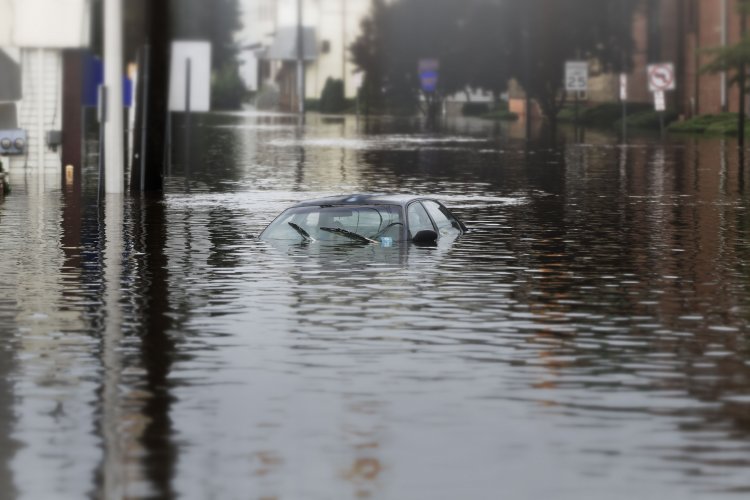
Floods in Germany and Belgium caused by torrential rains have become much more likely due to climate change. They killed dozens of people and caused billions of euros in damage.
EU climate monitoring warns that floods of this magnitude will become more frequent as the climate continues to warm.
"2021 was a year of extreme situations, including the hottest summer in Europe, the heat of the Mediterranean, floods and wind droughts in Western Europe," – said Carlo Buontempo, director of the Copernicus Climate Change Service (C3S).
He also added that understanding the weather and extreme weather conditions is becoming increasingly important for key sectors of society.
In addition, temperatures in the Arctic rose 3 ° C above 19th-century levels, almost three times the world average.
Carbon emissions from forest fires in the Arctic, mainly in eastern Siberia, have exceeded 16 million tonnes of CO2, roughly equivalent to Bolivia's total annual carbon pollution.
The Greenland Ice Shield, which along with the West Antarctic Ice Shield has become a major factor in sea level rise, lost about 400 billion tons in 2021. Over the past 30 years, the rate of disintegration of ice sheets in the world has accelerated more than three times.
"Scientific experts such as the IPCC have warned us that we do not have enough time to limit global warming to 1.5 ° C," – said Mauro Faccini, head of the Earth Observation Unit at the European Commission's Directorate-General for Defense Industry and space, citing a UN statement.
He also added that since climate extremes are already happening, urgent action is needed.
It will be recalled that, according to NOAA, the level of methane in the atmosphere has reached an all-time high.
As EcoPolitica reported earlier, Mark Carney said that the Russian war is complicating the fight against climate change.