Engineers and scientists from the University of Texas at Austin (USA) using artificial intelligence have developed a mutation of a natural enzyme called PETAse, capable of decomposing plastic in just 24 hours.
This discovery will solve the problem of waste in the world, writes Phys.org. The new enzyme will help increase plastic recycling and reduce the impact of plastic waste on the environment.
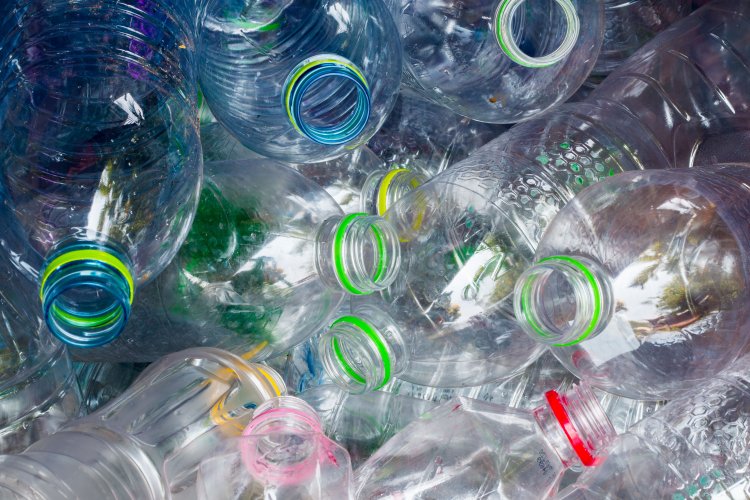
The created enzyme is primarily focused on polyethylene terephthalate (PET). This plastic accounts for 12% of all global waste. Bottles, food packaging and textiles are made from it.
It takes hours to days for a new PETase mutation to break down this plastic into its monomers, while PET can take centuries to decompose in the natural environment.
The enzyme was able to break down PET plastics very effectively at temperatures between 30 and 50°C and over a wide pH range. It is able to almost completely degrade 51 different products of this type of plastic within a week, and in some experiments it destroyed plastics in as little as 24 hours.
“The possibilities for using our advanced plastic recycling process are endless across industries. It gives corporations the opportunity to take the lead in recycling their products. Through our approach, we can start thinking about a real circular economy,” said FAST-PETase co-author Hal Alper.
The results of the study are published in the journal Nature. Scientists have already applied for a patent and intend to use the substance to clean up landfills from environmentally harmful plastic waste.
Before EcoPolitica reported that microbiologists at the University of Nijmegen in the Netherlands found that the bacterium Candidatus Methanoperedens is capable of convert methane into usable energy.