On 7 July, a factsheet for Bill No. 15386 appeared on the website of the Verkhovna Rada of Ukraine; the bill provides for the establishment of a National Greenhouse Gas Emissions Trading Scheme. This is a key part of Ukraine’s commitments as part of its European integration and the subject of heated debate within the country. However, the authorities decided to bypass the usual procedure and submit the document to parliament without a presentation, discussion or even the text of the document itself.
As EcoPolitic has learnt from its own sources, sectoral experts who were supposed to be involved in the discussions are being told that the draft bill has apparently been agreed upon by all parties. However, as the experts themselves claim, no one has yet seen the text of the draft bill.
A suspicious void
As of 13:00 on 7 July, the details page for Bill No. 15386 is virtually empty. All that is known is that the document was received by the Verkhovna Rada of Ukraine today and forwarded to the leadership for consideration. Exactly what the leadership will be considering remains unknown. After all, the draft bill, authored by MP Andrii Motovylovets, lacks not only the text itself but also an explanatory note or any other supporting documents.
Oleg Bondarenko, co-initiator of the bill and chair of the Verkhovna Rada’s Committee on Environmental Policy and Nature Management, told EcoPolitika that the document is still undergoing the registration process and the text will be published in the next few days.
However, this in no way explains the fact that experts and environmentalists are being misinformed on a massive scale regarding the alleged approval of the document. The reason for these actions is not known for certain. Nevertheless, such tactics are causing outrage within the professional community and raising doubts about the transparency of the development of a system that will directly impact compliance with EU standards and the competitiveness of Ukrainian industry.
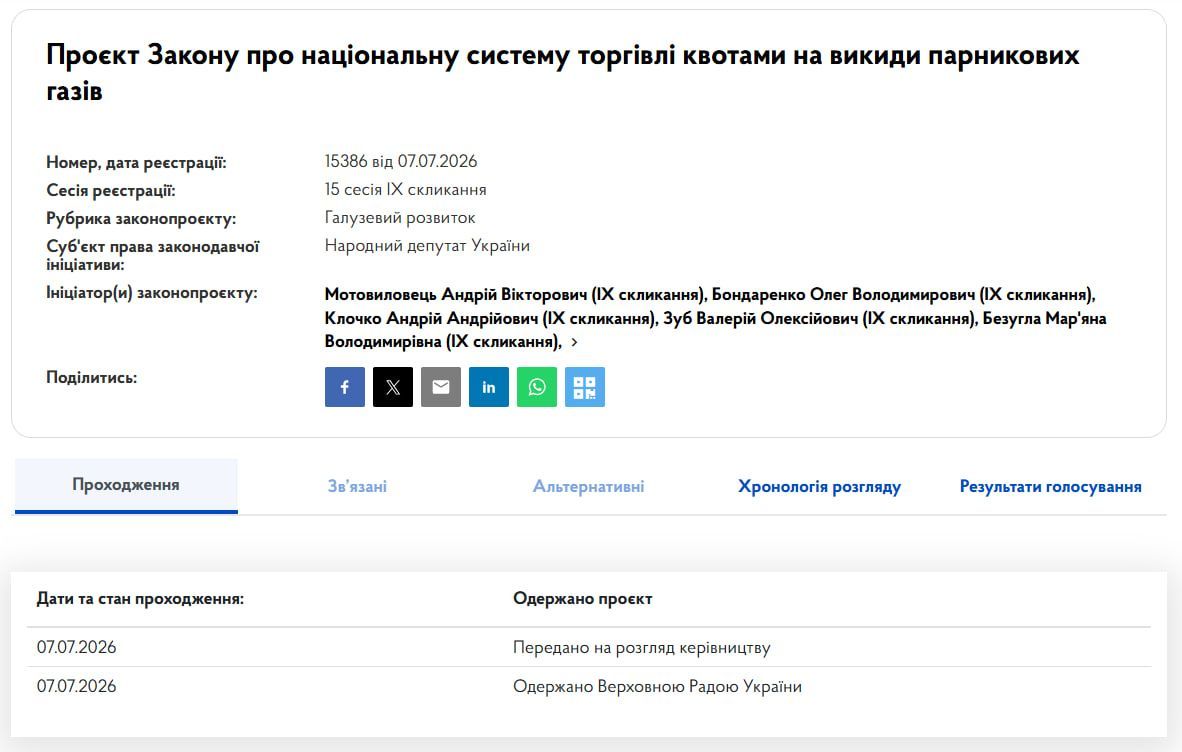
Screenshot from the Verkhovna Rada of Ukraine website as of 13:00, July 7, 2026.
It seems the authorities have chosen to make this approach systemic. Back on April 16, the Ministry of Economy, Environment, and Agriculture of Ukraine organized a meeting with stakeholders and the public, where the key approaches to the National GHG Emissions Trading System (ETS) were to be discussed. However, at that time, the entire discussion came to nothing, as participants were not provided with a preliminary version of the draft law “On the Fundamentals of the National Greenhouse Gas Emissions Trading System”.
The ministry’s draft law was eventually published on May 15, and 30 days were given for proposals and comments. In particular, based on its own analytical study, the European Business Association (EBA) submitted its list of amendments.
Later, at a Ministry of Economy meeting, EkoPolityka learned that a number of recommendations for the Ukrainian authorities were provided by the Secretariat-General of the European Commission for Climate Action.
Were these comments taken into account? Will the Ukrainian ETS ensure compliance with European regulations? We do not know, nor do experts or the public.
What is an Emissions Trading System and Why Does Ukraine Need It?
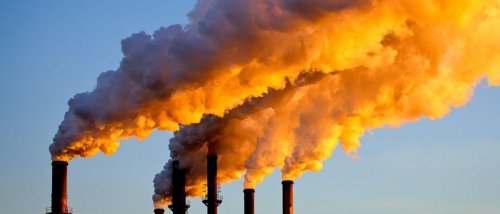
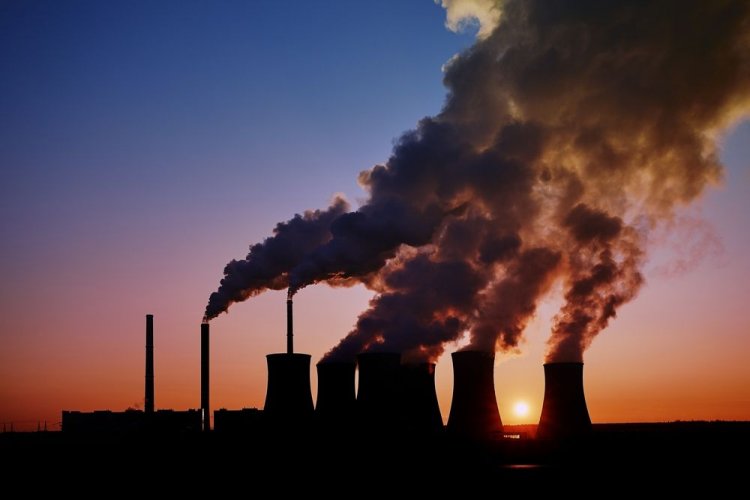
The greenhouse gas emissions trading system is a mechanism aimed at reducing greenhouse gas emissions, which cause global warming. This mechanism works as follows: the state provides enterprises with a certain limit of free emission allowances, and businesses must purchase additional allowances at the market price for any recorded excess.
According to its course toward European integration and the requirements of the International Monetary Fund (IMF), Ukraine must develop its own emissions trading system that aligns with the European model. After final accession, the Ukrainian ETS will be replaced by its European counterpart, the EU ETS.