As part of a pilot project in Ukraine, plans are afoot to improve the system for identifying and registering pets. In the first phase, this will apply to cats, dogs and ferrets, and registration will be free of charge and voluntary for owners. In the future, the new system is set to be developed into a fully-fledged Unified State Register of Pets.
According to the Ministry of Economy, Environment and Agriculture, the relevant resolution has been adopted by the Cabinet of Ministers of Ukraine. This is a step towards the implementation of European standards, and the selection of animals for identification also corresponds to the list required by the EU.
Practical details of registration
The Ministry of Economy emphasises that registration itself will be voluntary and free of charge for pet owners. This applies to both state and private veterinary establishments, which will partner with the scheme.
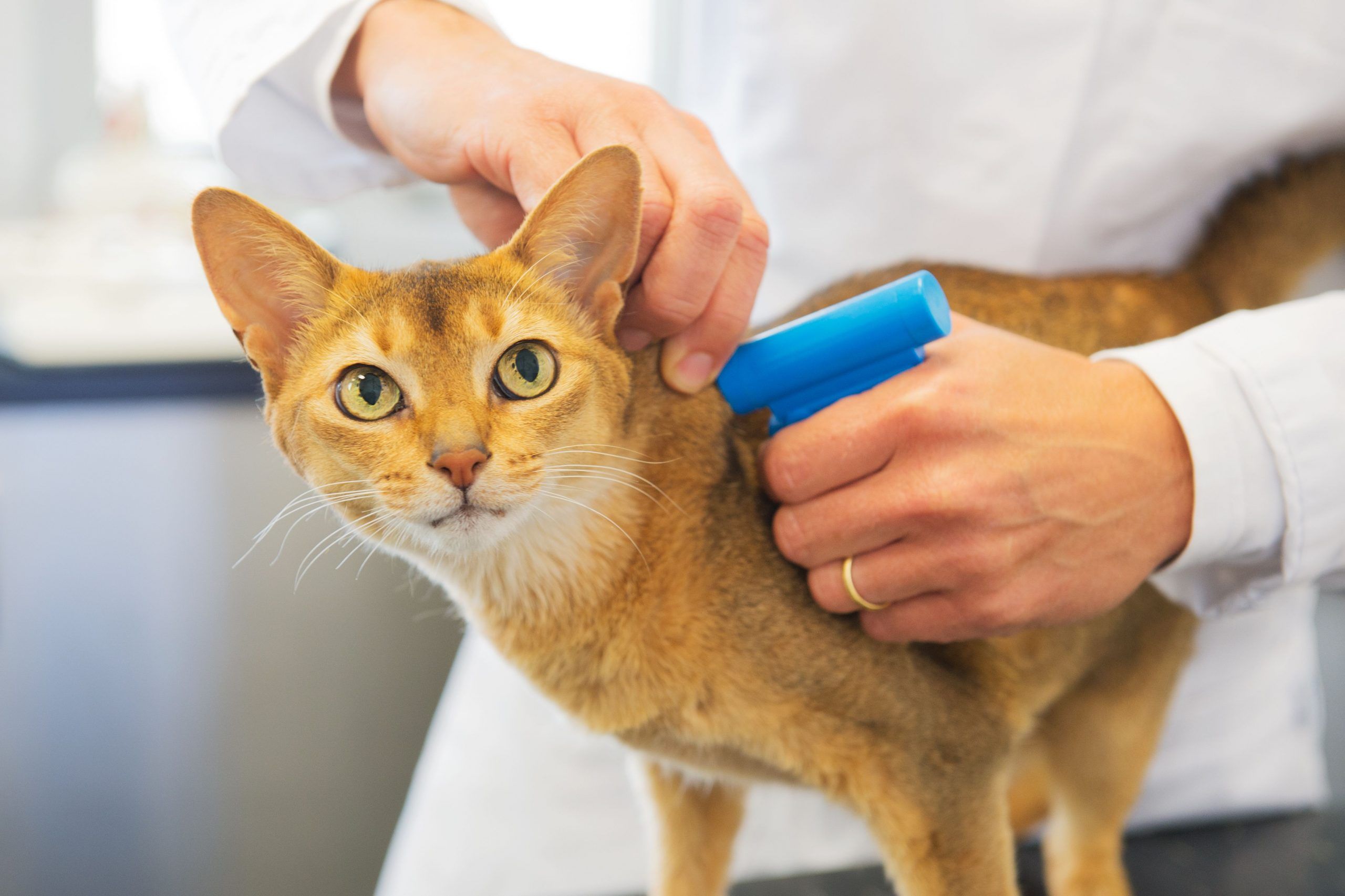
Microchipping an animal for registration is not compulsory, but it is recommended. This procedure is important as it significantly simplifies the search for and return of lost animals.
If a pet already has a microchip, there is no need to fit a new one.
Registration cannot be carried out remotely. Data will be entered into the system by veterinary surgeons, who must identify the animal or, where applicable, scan its microchip. At the same time, the owner or their authorised representative must sign the application form and provide all the necessary details.
It is also possible to transfer information from existing veterinary passports to the state register.
Source: shutterstock
Unified digital space
Implementation of the project will enable the creation of a standardized database containing all information on the animal. After registration, the database will store data on vaccinations, veterinary documents, and other records.
In the future, this will make veterinary services more convenient for owners, and in case of loss of paper documents, all data can be quickly updated.
Strengthening control
The Ministry of Economy believes that a clear, standardized approach to registration will allow several pressing, often sensitive issues to be addressed at once.
- Searching for lost animals. If a found animal has a microchip or is registered in the system, this will help quickly determine its owner.
- Disease control. The unified database will allow for more precise control over vaccination, including for deadly rabies. At the same time, it will facilitate prevention of the spread of dangerous diseases, aligning with the international "One Health" concept.
- Accounting for stray animals. The register will enable centralized tracking of such cats and dogs, making it easier to develop more effective programs for responsible animal management. Registration of stray animals will be the responsibility of municipal services or other authorities authorized by the local self-government body.
System implementation
The pet register already exists – it was developed and transferred to the Ministry of Economy’s administration. During testing, the first 6,000 pets have already been registered.
Next, testing of the register will begin with the participation of state veterinary clinics. Once all information systems are set up and integrated, private veterinary institutions will also be able to register animals.
After the system is fully operational and proves its effectiveness, there are plans to create a digital veterinary passport based on it. Following the experiment, its integration into the “Diia” application will begin.
EcoPolitic previously reported that in Ukraine, work on draft law No. 11328 continues, which aims to tighten liability for animal cruelty and improve the mechanisms for their protection.
New municipal rules for keeping and handling animals may be adopted in Kyiv. These concern the registration of animals with an in-person interview before issuing documents, testing the social behavior of dogs, and restrictions on animal ownership for those found guilty of cruelty to animals.