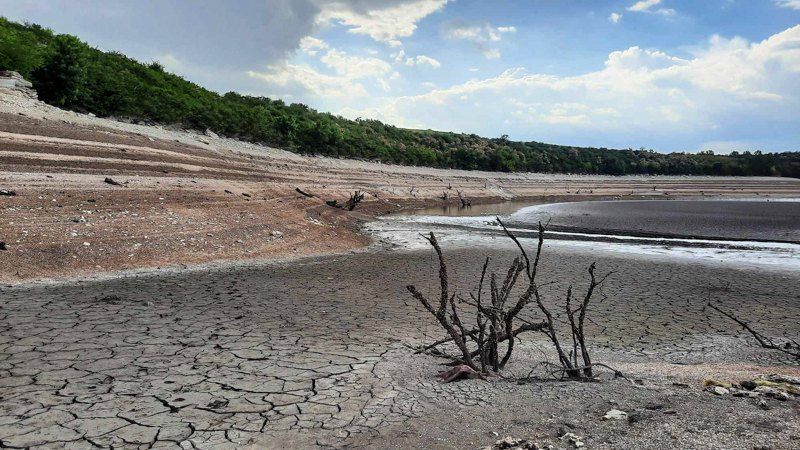
In 94% of soil samples from the bottom of the former Kakhovka reservoir, researchers found exceedances of maximum permissible concentrations (MPC) of heavy metals. They identified arsenic, lead, strontium and zinc as the main pollutants.
These results were reported by the team of the Ukrainian Environmental Protection Group (UPG), which was engaged in sampling.
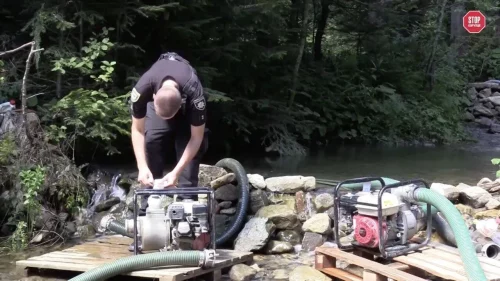
The researchers received 119 soil samples from different zones of the former reservoir: bottom sediments, flooded areas, and drained areas. After sampling, they were sent for research in the laboratory of Canterbury Christ Church University (UK). The results of laboratory analyses showed that the concentrations of heavy metals exceed the norm by 7-17 times.
The researchers stated that over 70 years of operation of the reservoir, large volumes of silt containing both organic and toxic pollutants had accumulated at the bottom of the reservoir.
They named mining enterprises and industrial activities in the region of several cities: Zaporizhzhya, Dnipro, Kamenskiy, Nikopol and Marganets as the main sources of pollution.
Why is it dangerous
The UPG told us that an alkaline environment (pH 7.0-8.6) slows the migration of metals, but promotes their accumulation in the soil. This poses the following risks:
- Toxic substances will enter the food chain.
- Heavy metals will threaten ecosystems and human health in areas affected by flooding.
The researchers emphasized that special attention should be paid to mobile forms of metals that easily transfer to plants.
How will this affect the future use of the area?
According to the group, heavy metal pollution has made the reservoir's former bottom unsuitable for agriculture.
In May, EcoPolitic reported that the bottom of the Kakhovka reservoir was covered with a young forest of white willow.