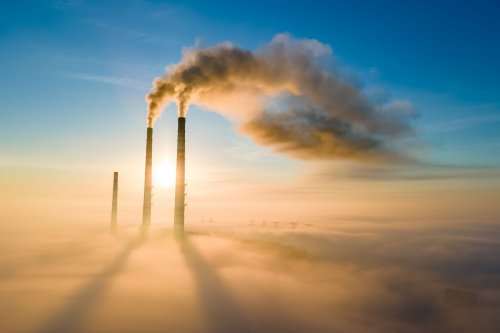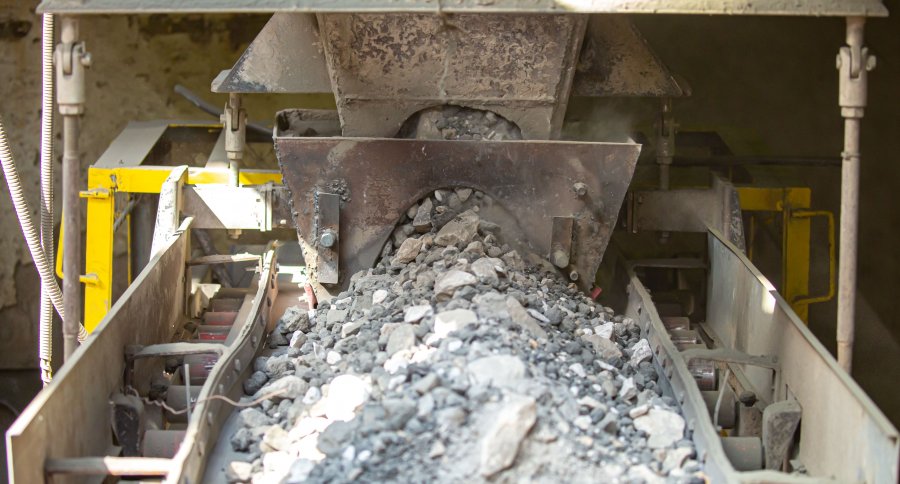
The Ukrainian cement producer reduced CO2 emissions to 578 kg per ton of products

The Ukrainian cement producer reduced CO2 emissions to 578 kg per ton of products shutterstock
Hanna Velyka

This is the next stage of decarbonization of cement, commercial concrete and reinforced concrete products

CEMARK achieved a reduction in CO2 emissions to 578 kg/t and increased the use of alternative fuels to 19.4%.

The organization, which unites Mykolaivcement, Kamianets-Podilskyi and Odesa cement plants and is part of the CRH Group, announced this on Facebook.

CEMARK enterprises implement innovations that have helped them reduce the clinker content in cement to 71.3%. According to company representatives, this indicator is a significant improvement compared to 2021.

"This is a big step in the fight against greenhouse gas emissions, which helps reduce our impact on the environment," says the manufacturer.

He says that the specific CO2 emission figure of 578 kg/t of cement is significantly lower than in 2021.

The company reported that such a result was achieved thanks to constant work on the introduction of alternative types of fuel and optimization of technologies.

Earlier, EcoPolitic reported that the company "Interpipe" presented new environmental policy. We also introduced the opinion of experts about what decarbonization of construction needs new ecological approaches.

You can familiarize yourself with the TOP-10 Ukrainian companies implementing green projects in our material.

Related
The Rada has passed a law on renewable energy as part of Ukraine’s European integration

Parliament is convinced that its provisions will make renewable energy sources more attractive to investors

Ukraine has broken into the top five energy storage markets in Europe

For the country, the development of this sector is a matter of sustainability

The business community has called for further refinement of the draft legislation on the Ukrainian quota market

According to the business community, a separate fund should be established to manage the revenues from the NETS, and the priority for the use of these funds should be the decarbonisation of industry

5 ‘eco-friendly’ solutions that actually make things worse for the environment

We explain why good intentions alone do not guarantee environmental benefits