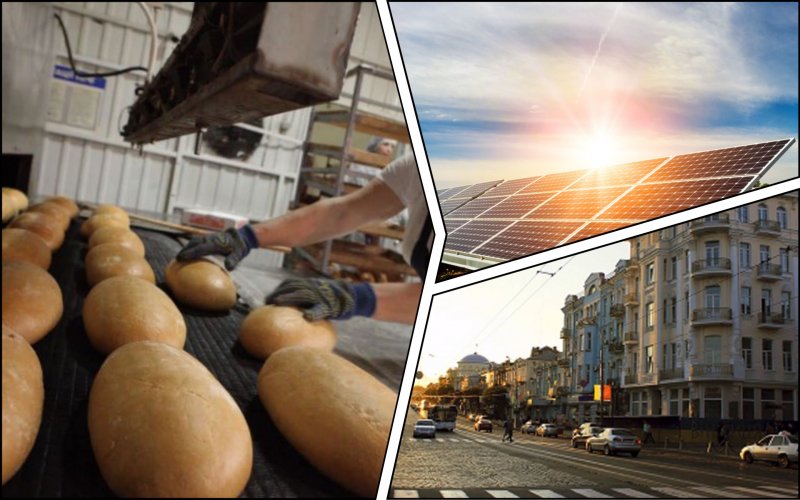
In Vinnytsia, a 140-panel rooftop solar power plant at the Nash Khlib Vinnytsia bakery has covered one-third of the city's electricity needs.
In six months of operation, the solar power plant has reduced carbon emissions by 20 tons, according to Golos Ukrainy.
It is noted that the reduction in emissions was recorded by a special station that was installed together with solar panels. The SPP generates a third of the energy for the production building in the summer, and less in cloudy weather.
Experts estimate that the cost of installing the solar power plant will pay off in about 3.5 years. The payback period may be shortened due to an increase in electricity and distribution tariffs.
"About ten tons of bread are baked at the enterprise. The bakery also supplies the military with products. Individual products are baked without the use of gluten," the article says.
The bakery claims reimbursement of part of the funds for the installation of autonomous energy sources. Such compensation is provided for by the city's business support program in promoting the development of energy efficiency.
The article emphasized that almost 40 enterprises in Vinnytsia installed solar power plants for their own needs.
Earlier, EcoPolitic wrote, that in Vinnytsia enterprises have installed more than 10 MW of solar power plants for their own needs, which provided green energy for about 10% of consumption.
As EcoPolitic previously reported, a 100 kW solar power plant was installed in Vinnytsia on the roof of a tram depot.