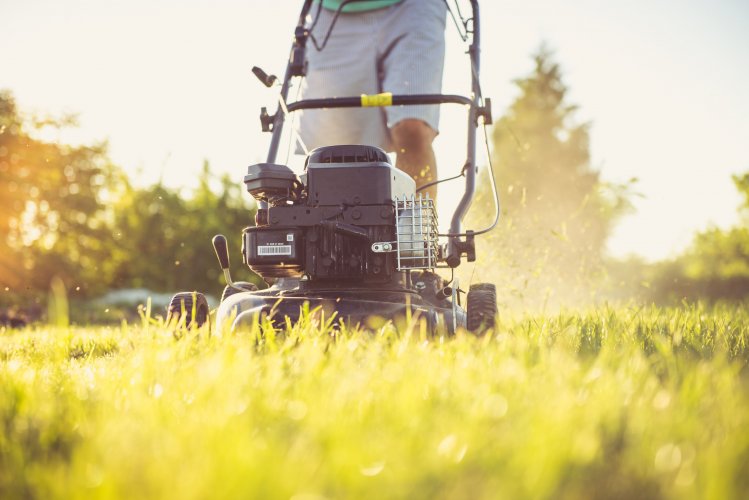
The British environmental organization Plantlife has urged gardeners not to mow the lawn in May to preserve wildflowers that give bees nectar.
Nature needs to be given time to wake up after winter, writes with reference to environmentalists of the publication The Guardian.
According to conservationists, refraining from mowing the lawn helps to germinate a variety of flowering plants (among them — rare species of flora), which give nectar to insects.
More than 250 wild plant species were recorded by gardeners last year, including wild strawberry, wild garlic and very rare plants including adder’s-tongue fern, meadow saxifrage, snakeshead fritillary and eyebright. In addition, various species of orchids bloomed in the homesteads of the British.
The organization also urged not to mow dandelions and other flowers that are considered weeds because they give nectar to pollinators. According to Plantlife, only eight dandelions produce enough pollen to feed an adult bumblebee for the whole day. And 100 square meters of unmown lawn can not only feed six bumblebees, but also provide them with nectar for storage in the hive.
Experts recommend mowing less during the summer and keeping at least part of your garden intact.
"May is a defining month for flowering plants that need a solid foundation," said Olli Wilson, developer of the National Plant Monitoring Scheme. "However, we do not recommend mowing after May."
According to the charity, the number of people in the West who do not mow their lawns is growing after a successful campaign to preserve wild gardens. The results of the Every Flower Counts survey show that "there is a sharp shift in views on lawn care."
According to the report, 78.8% of the 2,157 EFC participants did not mow during the month before participating in last year's survey, compared to 33.6% in 2019.
Before EcoPolitica wrote what is meant by the concept "biological diversity" why it is important for our planet, what threatens it and how to save it.
We will remind also that the number of insects in some parts of the world has halved due to climate change and intensive agriculture.