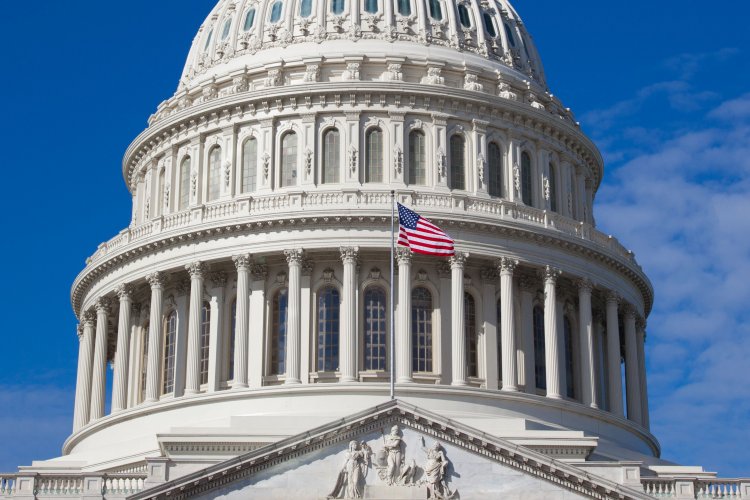
In the United States, the Senate approved a bill that provides more than $400 billion in investments to combat climate change, reduce inflation, and improve access to health care over 10 years.
This is the largest American investment aimed at slowing global warming and reducing demand for fossil fuels, reports The New York Times.
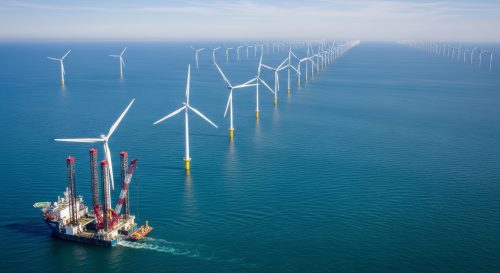
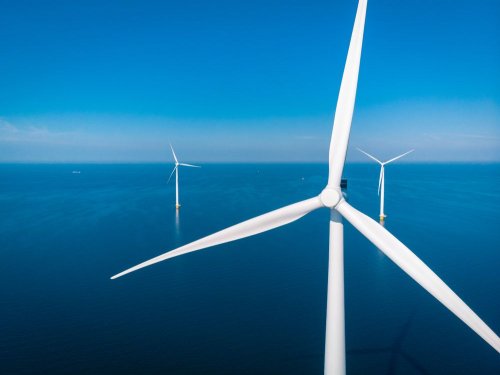
Investments will be aimed at tax incentives for switching to electric vehicles and encouraging electric companies to switch to renewable energy sources such as wind or solar power.
Energy experts said the measure would help the United States to cut greenhouse gas emissions about 40 percent below 2005 levels by the end of this decade.
However, scientists said much more effort would be needed to keep the planet from warming to dangerously high global temperatures. But US Democrats see it as an important first step after decades of inaction.
The administration also agreed to pass a number of provisions on fossil fuels and drilling in a concession to Sen. Joe Manchin III of West Virginia, which is heavily dependent on coal and gas.
The measure would secure new oil well leases in the Gulf of Mexico and Alaska's Cook Inlet, expanding tax credits for carbon capture technology. This would allow coal or gas-fired power plants to continue operating with lower emissions.
In addition, the Interior Ministry mandates that fossil fuel lease auctions continue if new wind or solar projects are approved on federal lands.
Tax credits include:
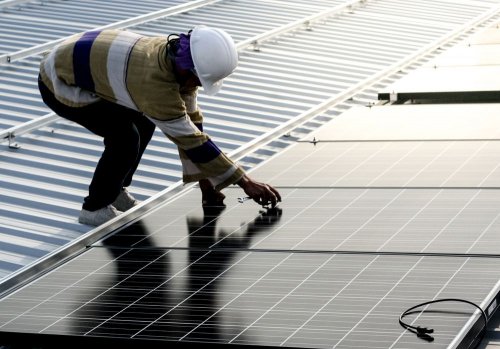
- $30 billion to speed the production of solar panels, wind turbines, batteries and critical minerals processing;
- $10 billion to build facilities to manufacture things like electric vehicles and solar panels;
- $500 million through the Defense Production Act for heat pumps and critical minerals processing.
There is $60 billion to help disadvantaged areas that are disproportionately affected by climate change, including $27 billion for the creation of what would be the first national “green bank” to help drive investments in clean energy projects — particularly in poor communities.
The bill would also force oil and gas companies to pay fees as high as $1,500 a ton to address excess leaks of methane, a powerful greenhouse gas.
Earlier, EcoPolitic wrote, that US climate ambassador John Kerry said that President Joe Biden is considering the possibility of an announcement extreme climatic situation.
As EcoPolitic previously reported, on the eve of the UN climate summit COP27, which will be held on November 7, 2022 in Sharm el-Sheikh, Egypt, tensions are growing regarding compensation payments for the damage caused to the world's poorest people by climate change.