
In the Netherlands, in the city of Groningen, a pedestrian path was equipped with special solar panels with a power of 21.5 W and an efficiency of 21.8%.
Platio's solar asphalt will be able to withstand a load of more than 2 tons, reports pv magazine.
It is noted that the track was installed as part of the European Union project "Making City".
The material said that the track consists of 2,544 monocrystalline solar panels, and its area reaches 400 m2. It will be able to generate 55,000 kWh of electricity per year.
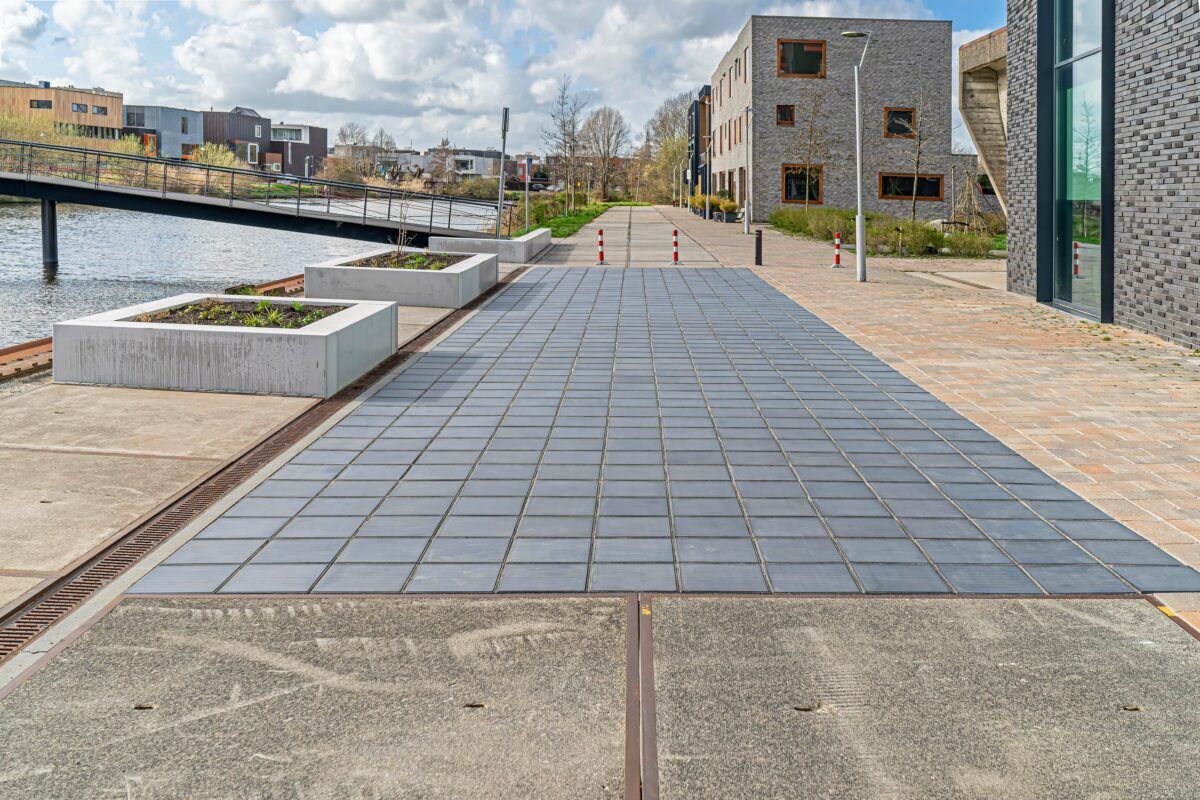
"It makes double use of the space: the solar path generates electricity and people can easily and safely walk on it. It's an example of how to use space in the city in a smart and ecological way," said Philipp Brooksma of the Energy Board of the Municipality of Groningen.
He added that the track has dual environmental benefits, as it produces green energy and is made from recycled plastic.
Solar Asphalt is said to be suitable for sidewalks, patios, driveways and bike paths, among others.
Earlier, EcoPolitic wrote, that in Melbourne, Australia, in 2023, a new high-rise office building with SES walls will be built, which will be able to fully provide itself with electricity.
As EcoPolitic previously reported, a team of European scientists discovered that the installation of floating solar power plants in local reservoirs will be able to fully provide energy to 6,256 cities in 124 countries of the world.