According to the International Energy Agency (IEA) and the International Renewable Energy Agency (IRENA), seven countries in the world now produce all their energy from renewable sources.
This is reported by Euronews Green.
It is noted that more than 99.7% of electricity in Albania, Bhutan, Ethiopia, Iceland, Nepal, Paraguay, and the Democratic Republic of Congo comes from geothermal, hydro, solar, and wind energy.
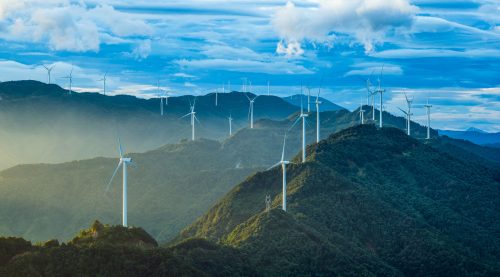
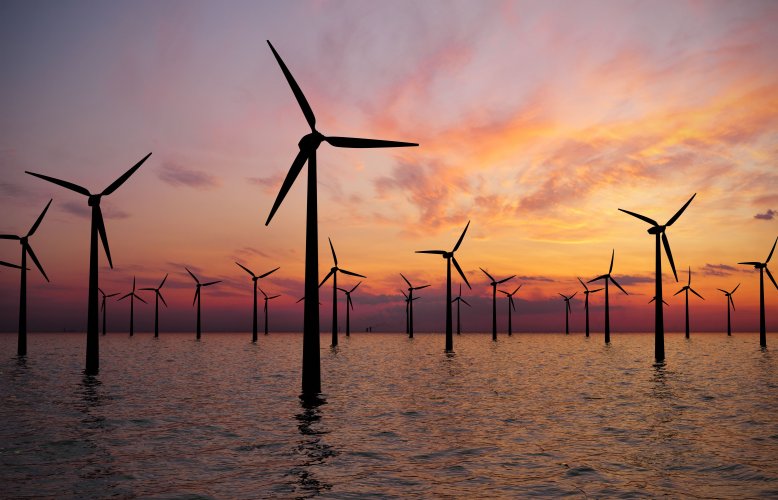
According to the latest report from the industry trade association Global Wind Energy Council (GWEC), 116 GW of new wind power capacity was installed worldwide in 2023, up 50% from 2022. This makes 2023 a record year for the number of new wind projects.
"It's great to see growth in the wind industry and we're proud to have achieved a new annual record. However, much more needs to be done to unlock growth," said GWEC CEO Ben Bakewell.
The report notes that the world is moving in the right direction in the fight against climate change, but the authors warn that annual capacity growth will need to be at least 320 GW by 2030 to meet the commitments made at the UN Climate Change Conference to triple of renewable energy by the end of the decade.
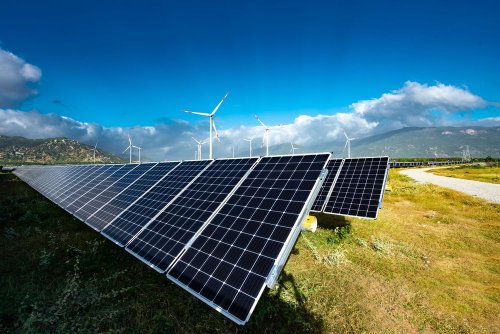
Although many countries currently use large amounts of hydropower or wind energy, experts predict that solar energy may become a major source in the near future.
As EcoPolitic previously reported, in June 2023 world wind energy capacity reached 1 TW, which took 40 years. According to forecasts of the Global Wind Energy Council (GWEC), it will take 7 years to double this figure.