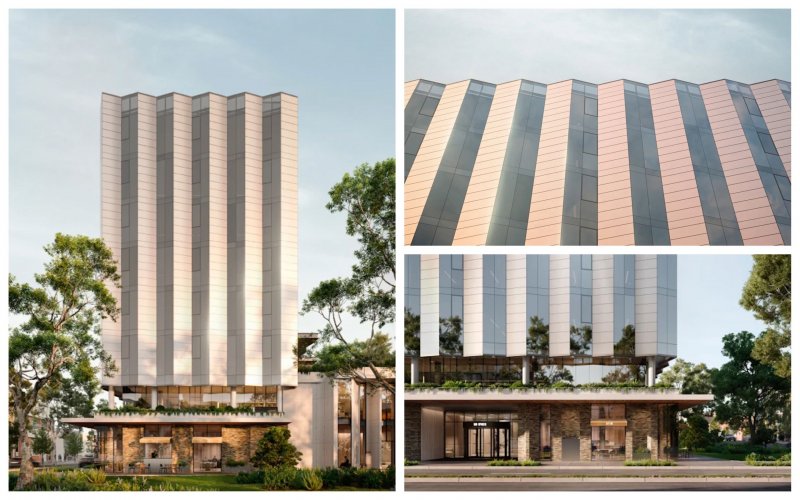
In Melbourne, Australia, a new high-rise office building will be built in 2023 that will be able to provide itself with electricity.
Its facade will be equipped with 1,182 solar panels and additional SPPs will be installed on the roof, reported Fast Company.
The project's architect, Pete Cannon, said that the building will use electricity locally and immediately, which will reduce energy loss during transportation. Since electricity does not have to travel hundreds or thousands of kilometers, it is more efficient and helps reduce the load on the grid.
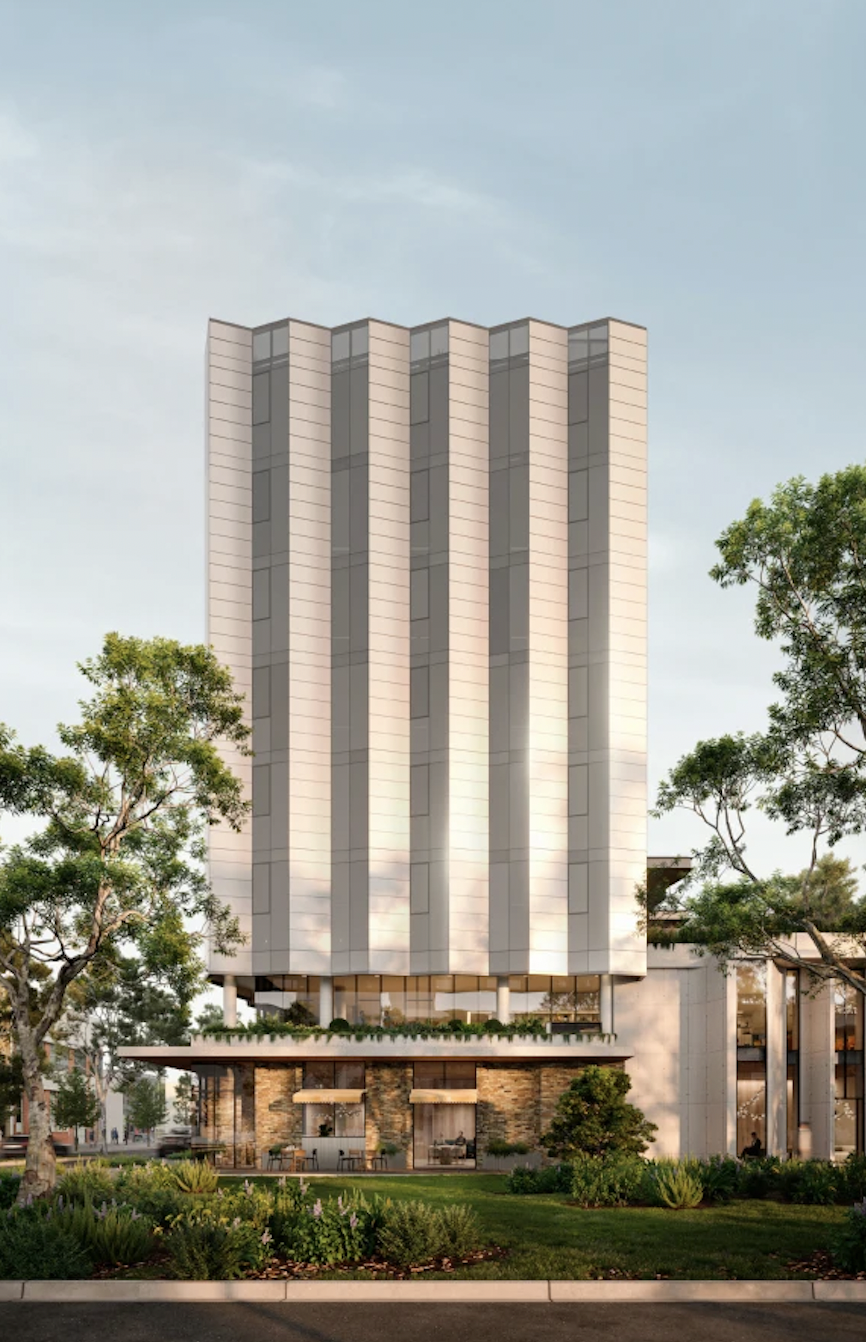
The material noted that panels from the German company Avancis, which manufactures each glass panel with the same thickness as a conventional facade, will be used for the building. These thin film solar cells are built into each panel. Such panels are not like classic ones.
The authors explained that the solar panels on the facade of the building are not visible. They are available in different colors, for example, municipal buildings in Amsterdam are equipped with dark gray, and buildings in Berlin are equipped with dark blue.
Cannon pointed out that air conditioning is often the biggest source of energy consumption in Melbourne. In the project, he used a solid version of the panels on one wall to protect it from heat, saving the amount of energy needed for cooling. Both the building's heating and cooling systems will run on electricity from solar panels.
"The tower will be the first in Australia to use this technology. The project is currently in the final stage of obtaining approval from regulators," the article says.
The authors emphasized that building materials, in particular cement and steel, as well as the construction process create a large amount of "embedded" carbon emissions. However, the new tower will generate more renewable energy than it needs, eliminating about 70 metric tons of CO2 emissions per year.


Cannon noted that the building will be able to "pay off its carbon debt" and truly be carbon neutral without compensation in a few years.
"There is an urgent need to shift our construction technologies to greener methods," he said. "Harvesting solar energy is a natural trajectory for our large-scale projects, especially in places with abundant access to sunlight."
Earlier, EcoPolitic wrote, that in Australia, legislation, which establishes tougher emission reduction targets greenhouse gases, was introduced.
As EcoPolitic previously reported, residents of one of the high-rise buildings in the city of Szytno in Poland made their home energy self-sufficient thanks to the solar panels on the balconies and roof.