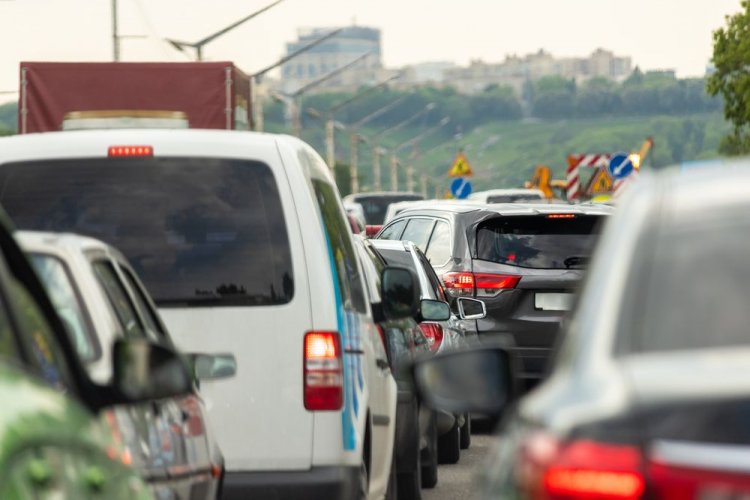
European Parliament Committee on the Environment as part of the Fit for 55 climate package, supported the proposal of the European Commission to ban the sale and registration of gasoline and diesel cars from 2035.
MEPs voted for this decision on Wednesday, May 11, writes Reuters.
They are proposed to ban the registration of new cars and light commercial vehicles operating with carbon dioxide emissions in the EU from 2035. That is, only electric vehicles will be subject to registration — without exception, transitional periods or concessions for vehicles running on synthetic electric fuel (E-Fuel). At the same time, previously registered vehicles with internal combustion engines can continue to be used.
The support of such a proposal both in the European Parliament and in the Council of the EU is beyond doubt. The approval process will still be lengthy: the Environment Council will discuss it on 28 June, followed by negotiations between the European Parliament and EU member states. However, the latest vote is a signal that things are gradually moving towards a ban on internal combustion engines in 2035, but not limited to this.
MEPs from the Committee on the Environment want car manufacturers to cut harmful CO2 emissions by 2021 by 20% in 2025 and 55% in 2030. For vans, the value is reduced by 15% in 2025 and 50% compared to 2030, vehicles will be completely banned from internal combustion engines in 13 years.
In addition, the European Commission every two years will evaluate the retraining of automotive industry workers. This is due to the loss of jobs in Eastern Europe due to the cessation of the production of internal combustion engines for passenger cars. The European Automobile Suppliers Association (CLEPA) estimates that about half a million jobs will be lost in the EU because of this.
The new event will cause the least concern among the citizens of Norway. The country leads the world in terms of the number of electric vehicles per capita. Over the past five years, the demand for electric vehicles has fallen to 8.2%. The ban on the sale of cars with internal combustion engines is going to be introduced there in 2025, but it looks like this goal will be achieved even earlier.
Before EcoPolitica wrote that Brazilian scientists have found a replacement for traditional gasoline. Fossil fuels can be replaced by so-called green diesel produced by growing microalgae in special bioreactors.