May weather in Europe set a series of temperature records. In addition to water shortages and extreme conditions, the first heat wave of 2026 led to exceptionally high power generation in the solar energy sector. This caused energy prices to drop to negative levels.
This was reported by Bloomberg.
A persistent heat dome with high atmospheric pressure formed over northwestern Europe. As a result, the average temperature in the region was 9–15°C above normal. For example, on May 26, London set a new temperature “record” of 35°C (95°F).
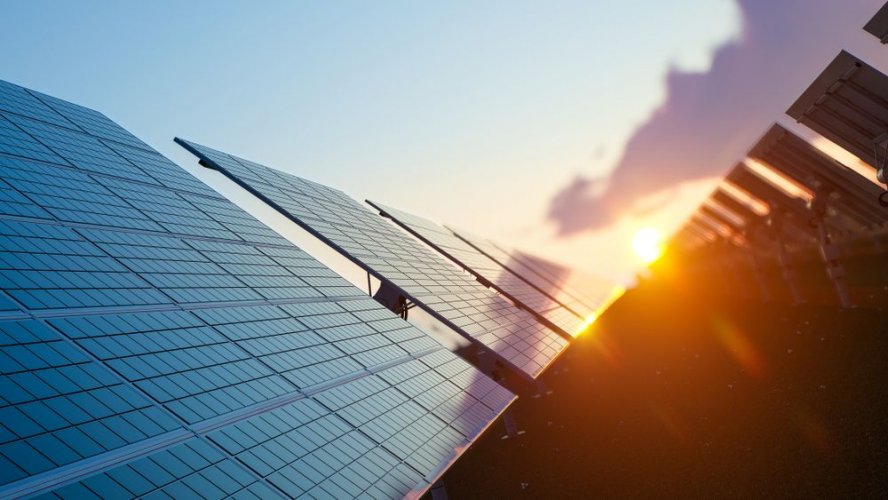
Due to stable, cloudless weather, the sky was exceptionally sunny. At the same time, this intensified the heat and led to a surplus of solar energy production.
In the UK, at the peak of generation, the sun met nearly half of all consumers’ demand. According to the national energy operator NESO, this was the highest figure in history.
However, the excess generation also had a negative impact on the European electricity market. Hourly prices, particularly in France, fell below zero.
Risks for “water-dependent” energy segments
Despite negative prices at present, future forecasts, conversely, indicate higher energy costs ahead. On Tuesday, June forward prices jumped by 12%. The reason for this is concerns over water availability. Its shortage could reduce the productivity of hydropower plants and decrease nuclear energy output. The latter is linked to rising temperatures in key bodies of water that are used to cool nuclear reactors.
Cooling demand
The heat stimulates a rise in energy consumption for air conditioning. This week in Italy, demand was expected to reach 46 GW, which is the highest figure since the beginning of April.
Calm spells for wind generation
Clear skies are favorable for solar energy, but for the wind sector, they mean reduced output. Due to lower wind speeds this week, projected wind power generation in Germany, Italy, France, and Spain is below average. On May 26, generation there fell to 0.5 GW, compared to an average of 7.4 GW since the start of the year.
EcoPolitic previously reported that negative energy prices will not lower consumer bills. One reason is the decreasing attractiveness of investments in the renewable energy sector.
At the same time, dependence on Chinese energy equipment raises concerns about national security. According to experts, integrating energy equipment from China into national grids increases the risk of espionage and cyberattacks.