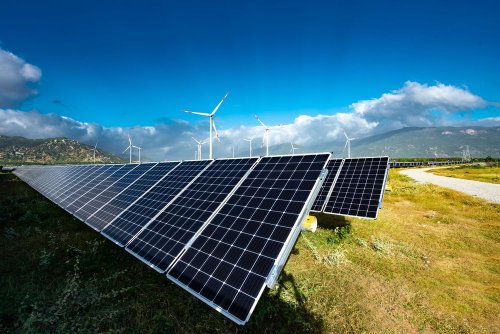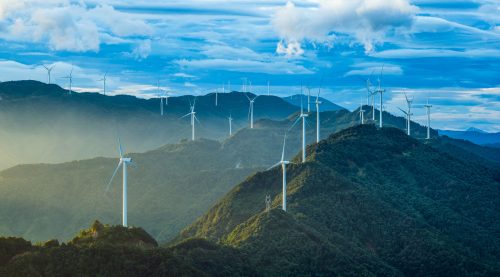
In 11 Member States of the European Union, 51 projects relating to renewable energy and improving energy efficiency in industry, the energy sector and transport will be funded. The funds for these initiatives are being allocated by the Modernisation Fund from revenues received by the EU under the Emissions Trading Scheme (EU ETS).
The decision by the European Commission and the European Investment Bank was announced on 2 July. This new allocation brings the total funding from the Modernisation Fund to €23.2 billion since January 2021.
Project details
The funded projects relate to the energy sector — the production of energy from renewable sources and the development of ‘green’ generation, energy efficiency and the modernisation of power grids.
The European Commission has cited several examples of projects that will receive funding from the EU’s carbon market revenues:
In the Czech Republic, decarbonisation measures will be implemented in district heating systems;
- In Estonia, diesel-powered public transport will be replaced by electric trolleybuses;
- In Romania, investments will support the development of energy storage facilities;
- In Portugal, programs to improve the energy efficiency of public buildings will be funded;
- In Greece, resources will be allocated to enhance the energy efficiency of production processes at various industrial sites.
Romania received the largest share from the new Modernisation Fund disbursement-€636.9 million. Hungary will receive €552.3 million, the Czech Republic-€516.8 million, Greece-€233.9 million, and Poland-€180 million. Funding will also go to Croatia, Estonia, Latvia, Lithuania, Portugal, and Slovenia.
The European Commission reminds that the Modernisation Fund supports states and beneficiaries with lower income levels in achieving their energy and climate targets within the framework of their respective national plans. Support is available to 13 member states whose GDP per capita is below 75% of the EU average. In addition to the countries listed above, Bulgaria and Slovakia are also included.
This latest payment has an additional effect-it strengthens the competitiveness of European industry. The EU is convinced that supporting modern energy infrastructure and incentivising the development of “green” generation will help achieve this goal.
EcoPolitic previously reported that several Central and Eastern European countries, in a joint letter to the European Commission, called for increased funding of the Modernisation Fund.
Meanwhile, there is an active discussion underway in the EU regarding the future of the EU ETS. Under pressure from several member states and industry lobbyists, the European Commission has promised to announce a review of the system by July 15. The EU authorities cite the effectiveness of the carbon market in reducing emissions and achieving high standards of climate responsibility, while opponents refer to the excessive financial pressure on industry, which could lose competitiveness in the global market.