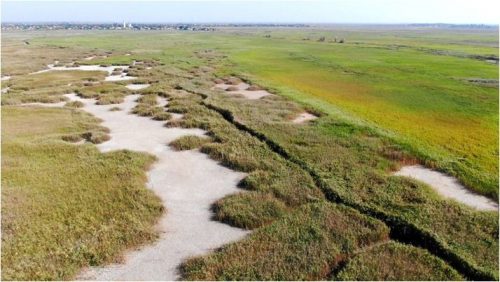
The drying up of Danube-basin water bodies is becoming a critical problem that threatens the operation of water management infrastructure and the region’s overall water balance. The situation requires systematic intervention—including the management of hydraulic structures and even the forced replenishment of lakes.
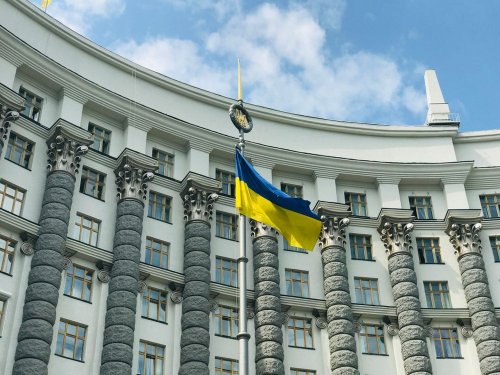
The Ministry of Economy, Environment, and Agriculture has outlined practical steps and potential solutions to the problem.
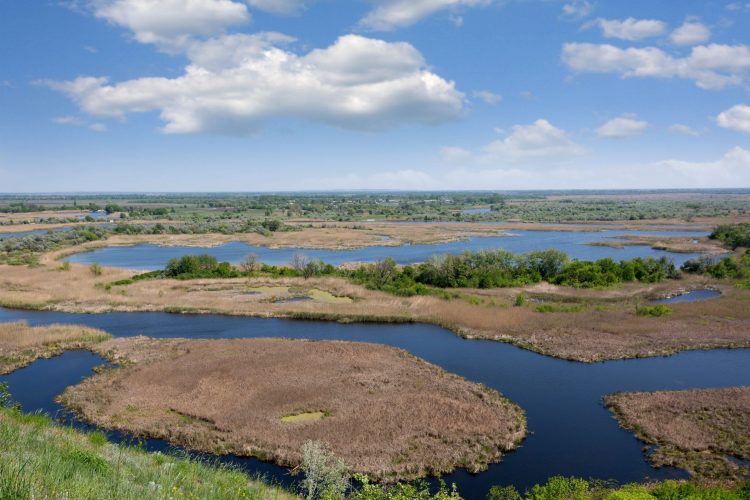
This year, the lakes at the mouth of the Danube filled with river water naturally. However, this is only a temporary gift from nature, and it is insufficient for the full functioning of the local aquatic ecosystem.
Experts are particularly concerned about the condition of the Kytay, Katlabukh, and Safyany lakes. In the summer, water levels here drop, which hinders water exchange. One specific cause is surface evaporation from the water’s surface.
Systemic solutions
One of the steps that may harmonize the filling of the natural water system should be the improvement of resource management. This means automating the operation of hydraulic structures with water level sensors and customizable sluice gate operations. The Ministry of Economy is confident this will provide the ability to regulate water supply from the Danube to the lakes in a flexible and more effective manner.
An additional measure could involve alternative energy solutions to power the pumping stations. In particular, solar power plants will increase their energy efficiency and make water supply to communities in Odesa region and local farmers more stable.
However, these supporting measures are already insufficient for some waterbodies, and such lakes need to be filled forcibly. The priority is Lake Katlabukh, due to its key role in irrigating local fields and supplying water for the population’s needs.
An important aspect is maintaining the appropriate operation of hydraulic infrastructure. The Danube River’s flood protection complex will likely be transferred to the balance of the Odesa Regional State Administration (RSA); at least this possibility is being discussed so as to transfer the responsibility for maintenance and operation of the hydraulic structures to the administration.
Initial steps
The first priority for the Ministry of Economy is to conduct additional calculations of the local waterbodies’ water balance. Next, they plan to strengthen coordination between local authorities and relevant central government agencies. Focus areas include financing measures to fill the Danube-adjacent lakes and ensuring that hydraulic infrastructure remains in productive condition.
EcoPolitic previously reported that scientists are already warning of the risk of desertification for the Danube region. The reduction in water resources occurs in particular due to large-scale hydraulic interventions and climate change.
Ukrainian experts emphasize that the country’s water resources are in a critical state. Earlier, the United Nations announced that the world has entered an era of total water bankruptcy.