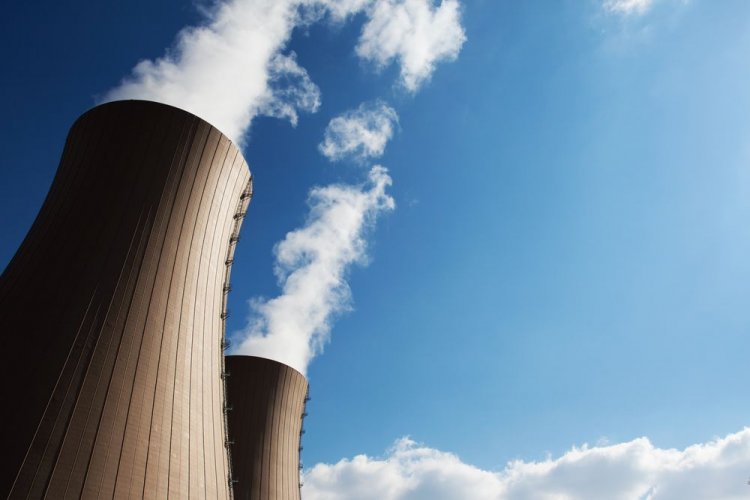
German Chancellor Olaf Scholz has said that the country will not resume the use of its closed nuclear power plants and will not return to nuclear energy.
According to him, Germany will meet its energy needs thanks to renewable sources, including solar and wind generation, reports Associated Press.
It is noted that Germany shut down its last three nuclear reactors in April. This process received broad political support after the accident at Japan's Fukushima nuclear power plant in 2011. However, after the sharp rise in energy prices due to the Russian-Ukrainian war, some politicians advocated a rethinking of nuclear energy.
The Free Democrats parliamentary group has endorsed a policy statement to halt the dismantling of nuclear power plants that are still usable as part of efforts to prepare for worst-case scenarios.
"Nuclear energy is over," Scholz commented on the proposal. – The issue of nuclear energy in Germany is a dead horse. Whoever wants to build new nuclear power plants will need 15 years and will have to spend 15-20 billion euros for each one."
He emphasized that after stopping the stations, they have already started to be dismantled. Therefore, a return to nuclear energy will mean the construction of new power plants.
He emphasized plans to meet Germany's future needs by expanding the use of renewable energy sources, including wind and solar energy.
Earlier, EcoPolitic wrote, that in 2022 in Germany, the energy company RWE dismantled the first wind turbine of the Keyenberg park in the western state of North Rhine-Westphalia in order to expand the coal pit Garzweiler (open pit).
As EcoPolitic previously reported, Germany entered the TOP-10 countries in the world in terms of the largest number of installed capacities of solar power plants.