The war in the Middle East continues to keep oil and gas prices at extremely high levels. However, the existing fleet of solar power plants has already enabled European countries to save €12.8 billion.
This is reported by Euronews, citing a new analysis by SolarPower Europe.
Record prices for fossil fuels
The Strait of Hormuz, currently controlled by Iran, is the route for transporting almost 20% of the world’s oil supplies.
In response to the military crisis, oil prices have soared. As of early June, Brent crude was trading at €81 per barrel. This is €20 more than on 27 February, before the start of the Middle East war.
At the same time, the price of natural gas has also surged. During certain periods in March, the price of TTF gas in the Netherlands was 50% higher than pre-war levels.
A lifeline in times of crisis
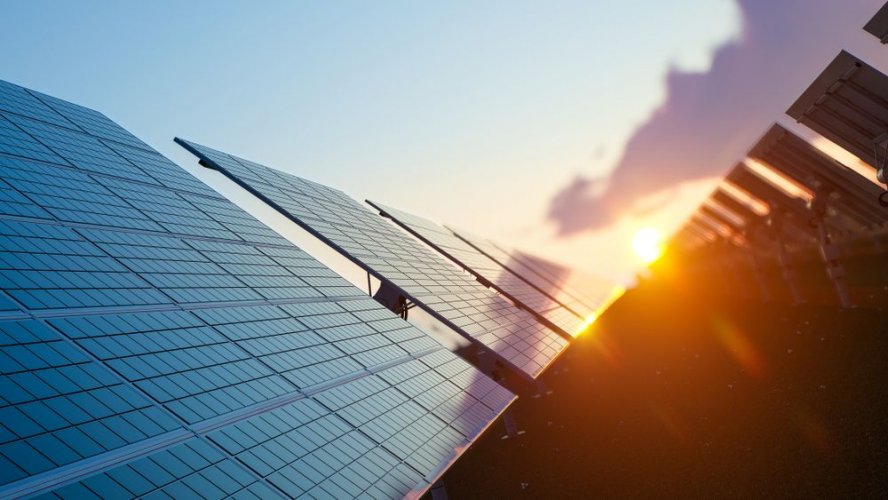
It was renewable energy that became a lifeline for Europeans. Thanks to solar generation, it was possible to offset the shortage of fossil fuels. In total, this saved €12.8 billion during the blockade period — around €136 million a day.
“The lessons of the last 100 days should sharpen the focus on ensuring flexibility in the use of non-fossil fuels, such as battery storage, which can enhance the benefits of renewable energy production in Europe,” emphasised Walburga Hemetsberger, CEO of SolarPower Europe.
Protection against rising prices
Many European countries had already begun the ‘green’ transformation of their energy systems before the war in Iran. This subsequently helped to mitigate the financial impact on national economies as a whole and on citizens’ household budgets in particular.
The report cites Italy as an example, which has already doubled the generation capacity of its solar and wind power plants since 2019. This has added 40 GW to the overall energy balance. To put this into perspective, a 1 GW power station is sufficient to supply 876,000 households with electricity.
For its part, thanks to the development of renewable energy sources, Spain has managed to reduce by 75% the number of hours during which the price of energy is determined by the cost of gas. Why is this important? In European markets, the hourly wholesale price of energy is determined by the cost of the energy source that meets the highest consumer demand. And the greater the share of solar and wind power, the less expensive gas influences the cost of electricity.
In the UK, wind power generation has reached an all-time high. At the end of March, the country’s wind farms generated 23.9 GW of energy, enough to power 23 million homes.
Austria has the highest share of ‘green’ energy in its consumption mix, at 90%, thanks to hydroelectric power stations. In Sweden, the share of renewable energy sources stands at 88%, mainly thanks to wind and hydro. In Denmark, 80% of energy comes from renewable sources.
EcoPolitic previously reported that in 2025, clean energy accounted for 11% of generation in Ukraine.
At the same time, the surplus of ‘green’ generation in Europe is increasingly leading to negative energy prices. In the long term, this could reduce the attractiveness of investment in the renewable energy sector.
To avoid overloading the system, the UK has already considered the possibility of paying people extra for consuming energy during peak hours.