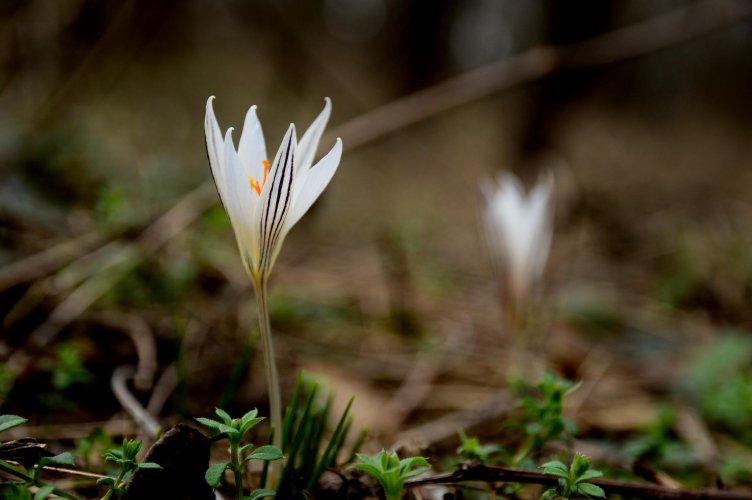
In the Kyiv region, a farmer plowed about 0.27 hectares of the Astragal botanical reserve, where there was the northernmost population of reticulated crocus, woolly-flowered astragalus and other red-book plants.
He did not know that this reserve has a remarkable history and the attention of many organizations is drawn to it, reports the Ukrainian Nature Conservation Group – UNCG on Facebook.
In 2015, a unique crocus population was recorded on the plowed area. This is a rare steppe species of plants, which is common in nature reserves in the south of Ukraine.
"This plowing could not go unnoticed, because the reserve is very famous among professional botanists and is visited by many specialists every year," UNCG writes.
Environmentalists appealed to the General Prosecutor's Office and the State Geocadastre Department in the Kyiv region with a request to take measures to preserve the lands of the nature reserve fund.
The reserve was created in 2012 thanks to the scientific justification of specialists of the National Botanical Garden named after Hryshka, to the request of the National Ecological Center of Ukraine and the initiative of the then deputy of the Kyiv region Council Yurii Noevyi.
Earlier, EcoPolitic wrote, that in the Potashnya Forestry in the Kyiv region, near the village of Dybentsi, they plan to create new protected object for the protection of the red book snowfield with an area of 26 hectares.
As EcoPolitic previously reported, 620 hectares of the territory of the regional landscape park Vysunsko-Inguletskyi in the Mykolayiv region are plowed and given to private property.