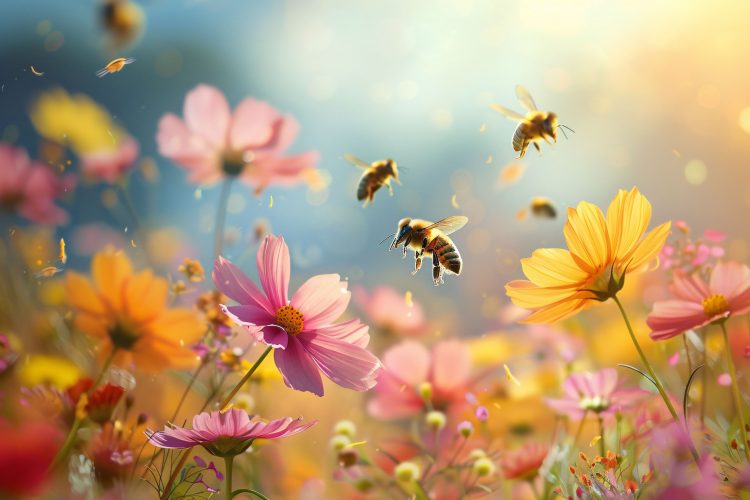
Ukraine remains one of the world’s leading exporters of honey. However, this sweet product is not the only benefit we receive from bees. These industrious insects are extremely important pollinators; their population decline will negatively affect both nature and the economy. At the same time, bees continue to suffer due to human short-sightedness.
For Ukraine’s Beekeeper Day, EcoPolitic explains the key value of bees and the threats these insects face.
An Irreplaceable Element of the Natural Cycle
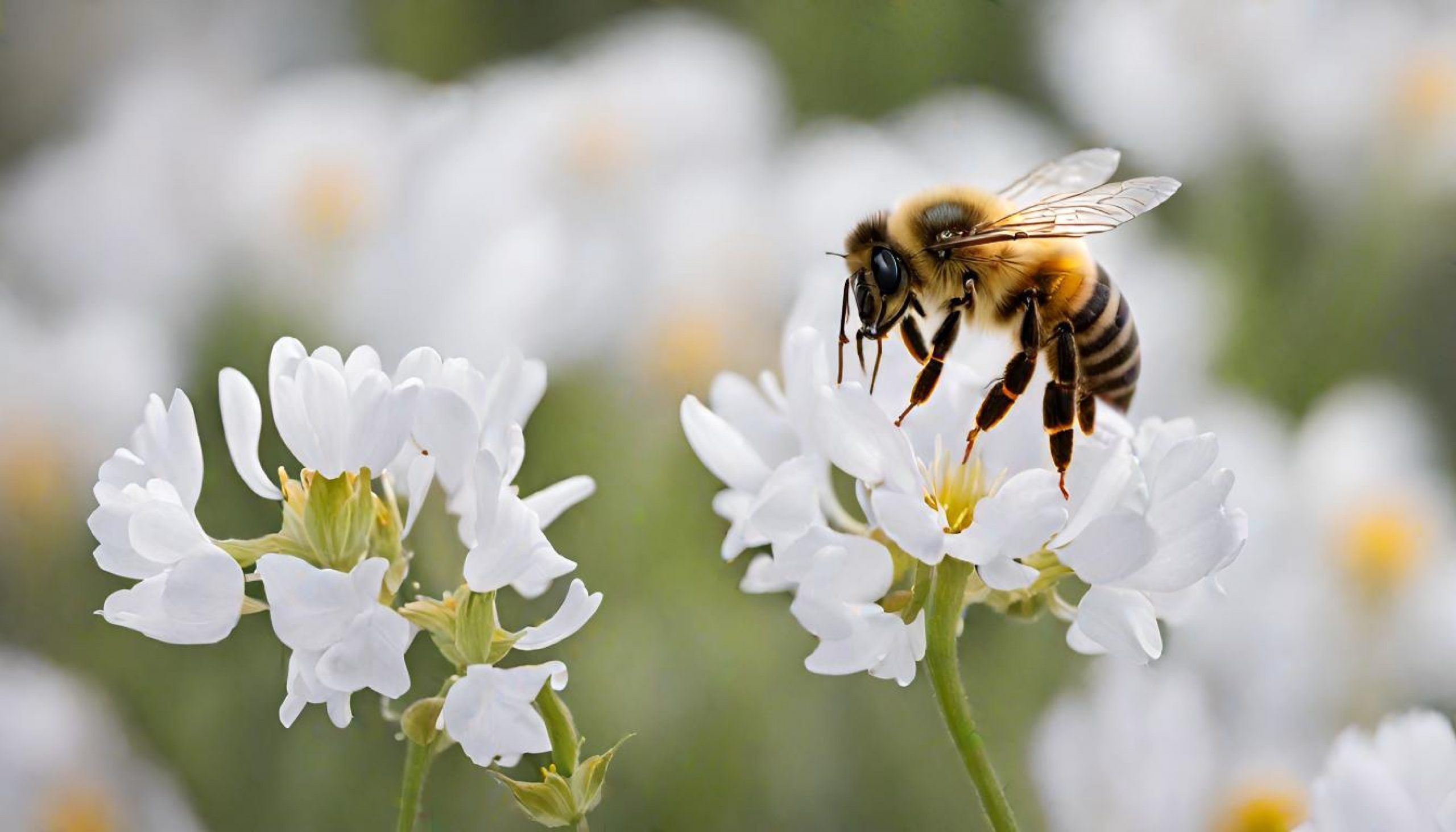
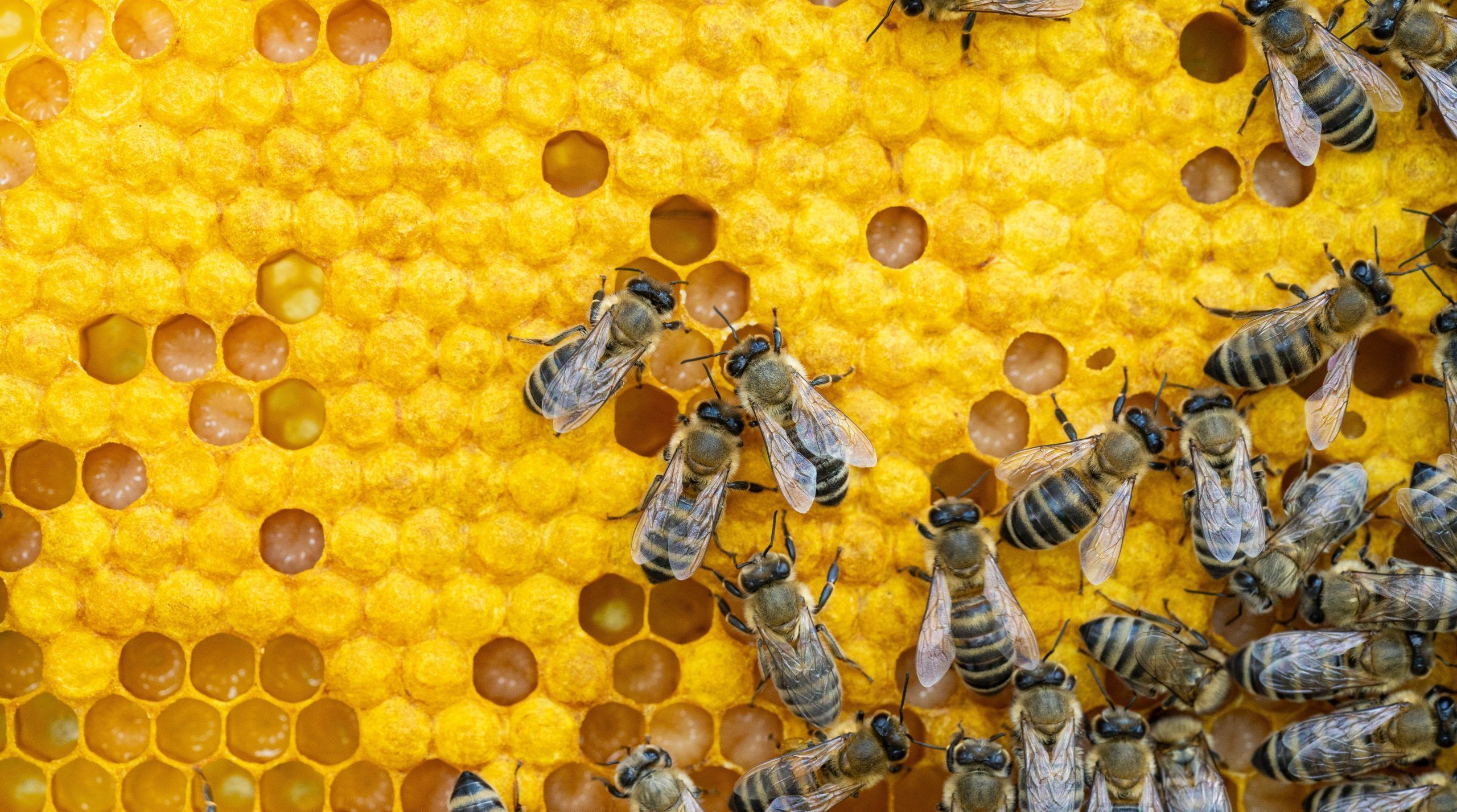
The primary role of bees is not the production of honey, propolis, or wax, although these sectors are also crucial for the economy. These insects are pollinators for about 35% of the world’s agricultural crops. Without their work of pollen transfer, fruit, berries, and vegetables would not form. Nature is symbiotic by design, and insects are necessary to continue the plant life cycle.
Source: shutterstock
Thanks to bees, new crops emerge that feed both people and animals, while in the wild, over time, these become organic fertilizers fostering the growth of more plants, which in turn also need pollination. This vast cycle relies on bees.
While collecting nectar for their offspring, a bee can pollinate up to a hundred wild or cultivated plants in a single flight. According to some data, two bee families are enough to increase the yield of 1 hectare by at least three times.
If bees disappear, over 20,000 plant species that cannot self-pollinate will be directly threatened. This will have catastrophic consequences for global food security and natural biodiversity.
Existential Threats
The greatest challenge to bee survival is agriculture, which is responsible for two main factors leading to the death of these insects.
- Chemicals. Widespread use of pesticides destroys not only insects deemed “harmful” for the agricultural sector but also bees. Countries worldwide are gradually updating lists of permitted chemicals, yet this is still insufficient. Tragic incidents often occur. For example, in Kirovohrad region in June, more than 32 million bees died. Farmers treated the fields but did not inform the authorities, who in turn failed to notify the beekeepers. As a result, the beekeepers released the insects, who later died.
- Reduction in the number of nectar-producing plants. Farmers are taking over more and more land from nature, and instead of diverse wildflowers that are a delicacy for bees, these areas are occupied by crops unattractive to these insects. Thus, bees lose their food sources.
Source: shutterstock
However, agriculture is not the only culprit. There are other factors, also related one way or another to human activities, that cause the death or reduction of insect populations. Among them:
- environmental pollution;
- military actions;
- urbanization;
- climate change.
Considering the threats to bees, it is also clear how they can be protected. This involves imposing strict restrictions on the use of chemicals and restoring their habitats.