This summer, Ukrainian cities, like the rest of Europe, continue to suffer from the intense heat. And all this makes one wonder whether modern cities, dominated by concrete and glass, can really withstand global warming. Practice shows that no air-conditioning or misting systems can cool a city as effectively as trees and open bodies of water do.
In this article, EcoPolitic has compiled some of the most effective urban planning practices capable of lowering temperatures in a city and helping its residents get through the hot months without compromising their health, by reducing the heat burden.
Why is this necessary?
Natural cooling of cities is not a matter of compliance with European standards or modern aesthetics. It is, quite simply, a matter of people’s health and lives. In June and July 2026 alone, more than 10,000 people died in the European Union as a result of extreme heat. In Ukraine, such statistics are not kept, but this does not mean that the heat does not harm people’s health.
According to European statistics, high temperatures pose the greatest threat to the elderly, children, pregnant women, people with chronic illnesses, and those forced to do physical labour in the heat.
Source: shutterstock
Greening
Plants are the best natural air conditioners. According to a range of studies, the temperature difference between the shade of trees and sun-exposed concrete can exceed 10°C, with some calculations reporting a staggering 30°C. This occurs because heated hard surfaces also radiate heat back into the environment. Plants are incapable of such an effect; on the contrary, they additionally cool the air through the process of evaporation – transpiration.
Тому сучасні урбаністи у проєктуванні нових районів та реконструкції старих радять враховувати озеленення як базовий компонент кліматичної стійкості.
- Preserving existing greenery. It is always worth looking for alternative ways to develop infrastructure rather than cutting down trees and shrubs that have already become acclimatised. If you are laying paths in a park, design them to fit around the existing greenery. If you need to lay utility lines, look for the least green areas to clear.
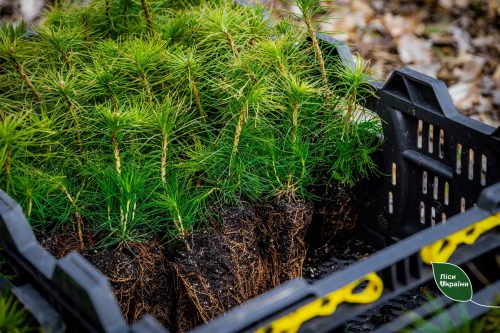
- Creating new green spaces. In any project, there is scope for some greening. It does not necessarily have to be a large area; even near a new shopping centre or in a car park, small plots can be set aside for planting trees, which will eventually provide shade over the tarmac or concrete surfaces.
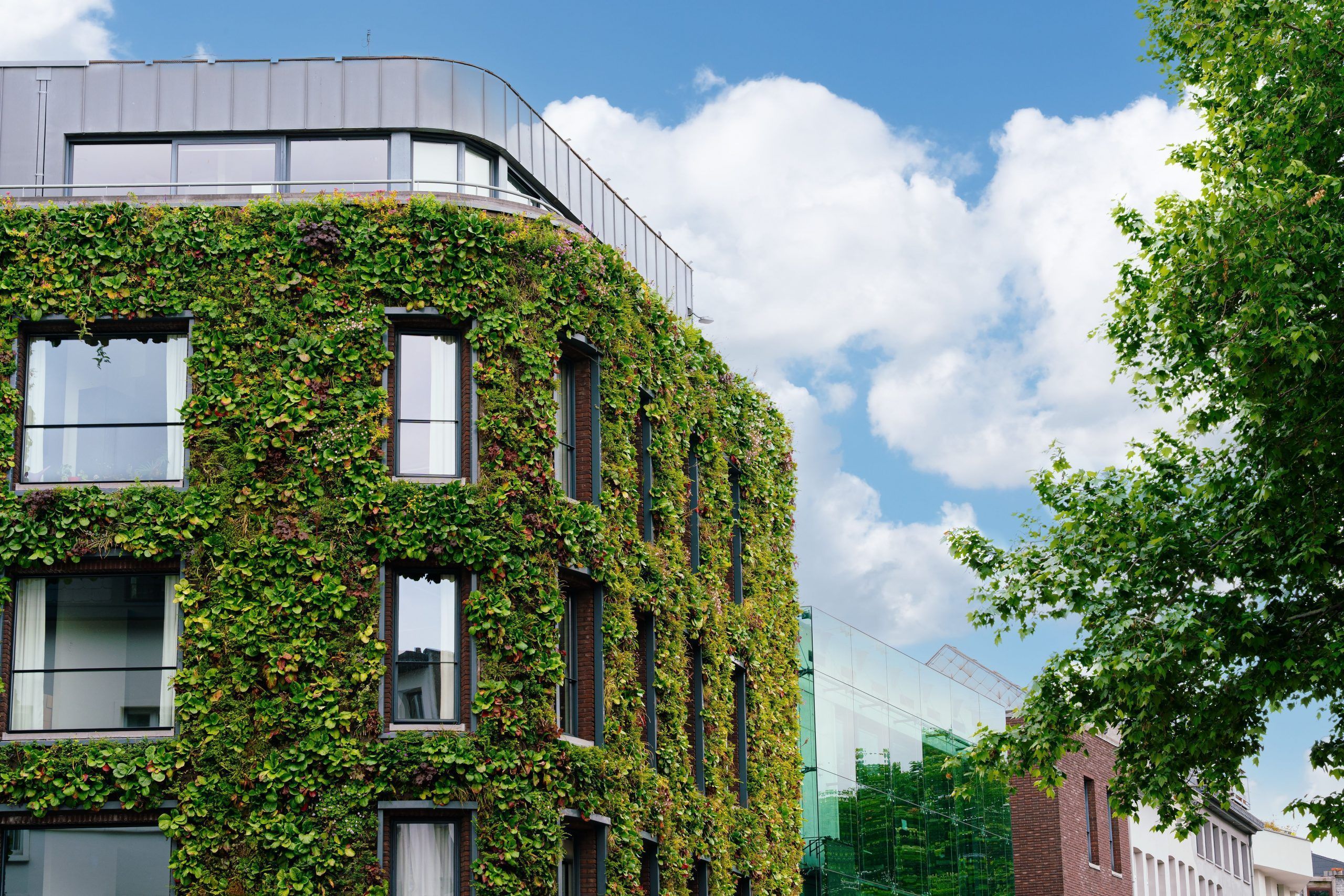
- Vertical gardens. A small patch of bare ground can provide a large area of green cover. This is sufficient for many climbing vine-like plants. They significantly cool the surfaces of buildings and structures, whilst also enhancing the aesthetic appeal of the urban landscape. Admittedly, these plants have many opponents who claim that they retain moisture and contribute to the deterioration of building finishes. However, the longer the heatwave lasts, the less valid these arguments become.
- Micro-greening. Small flowerbeds outside cafés and potted flowers outside shops are not just about aesthetics and cosiness.
Source: shutterstock
It is important to remember that urban areas were carved out of nature, where numerous other living creatures resided before humans. Preserving and developing green spaces in cities provides shelter for birds, insects, and small mammals that have lost their natural habitat due to urbanization.
Shade
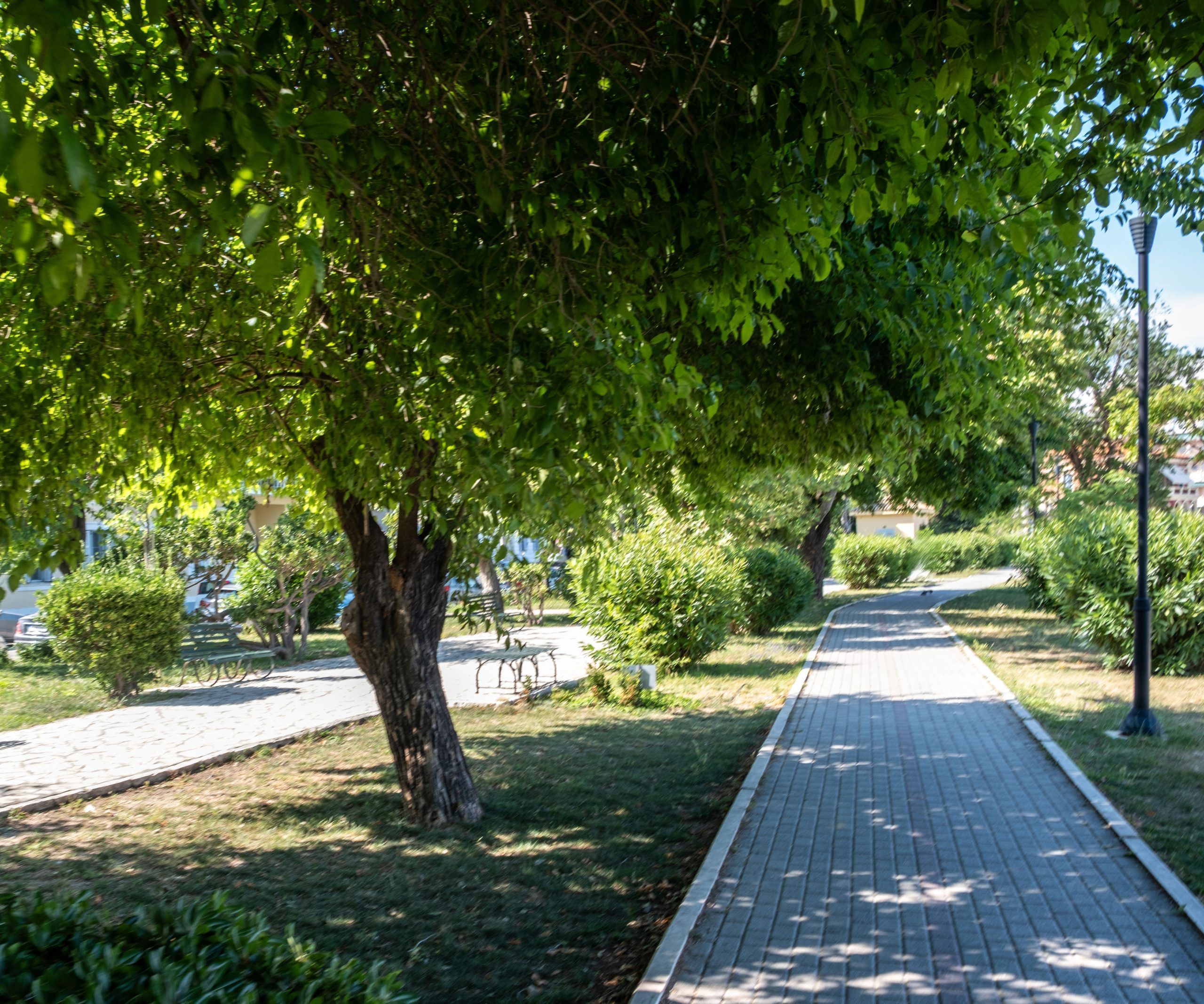
Shade is what can significantly reduce the temperature of areas frequented by people. In addition to trees, various small architectural forms and structures can provide shade:
- canopies above bus stops;
- awnings;
- covered pedestrian crossings;
- shaded playgrounds;
- car park canopies (ideally, these can be used to install solar panels. EcoPolitic has previously written about such business practices).
However, the primary task of an urban planner is to design continuous shaded routes, particularly leading to socially important locations such as hospitals, schools, and kindergartens.
Source: shutterstock
Surfaces
Here, it's important to remember two factors: permeability and color.
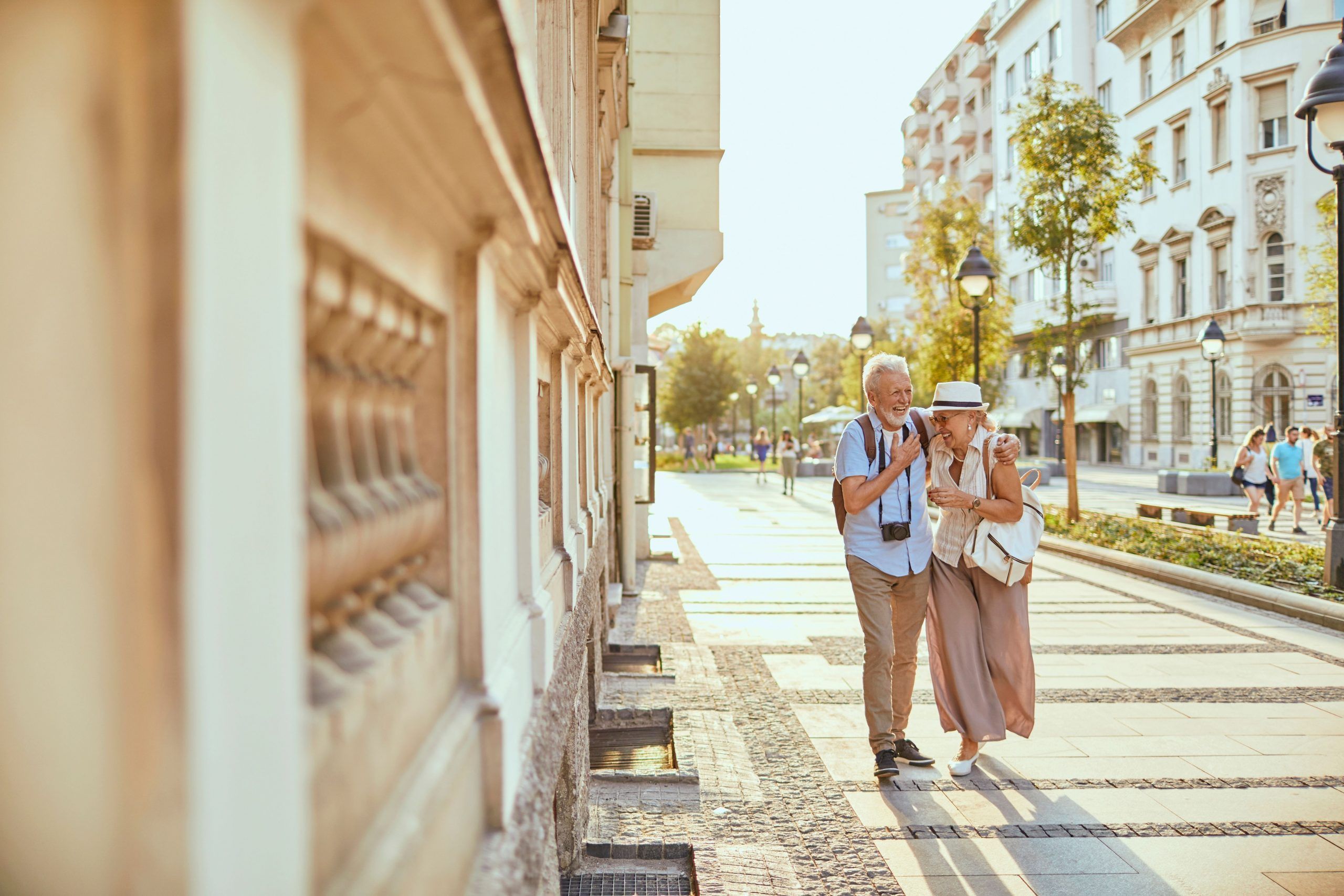
Color is straightforward if you recall basic school physics – light-colored surfaces reflect sunlight and heat up less, whereas dark surfaces do the opposite. That's why all Southern European cities are so white and yellow – this is not only due to building material properties but also centuries of local construction experience. Therefore, light or even reflective surfaces are the best choice for roofs and facades.
Source: shutterstock
However, the problem is not only how much the surface heats up. Another issue is where the water goes. With climate change, frequent light rains have been replaced by short, intense downpours that city drainage systems and vast expanses of concrete simply cannot handle. As a result, every time there is heavy rainfall, news channels are filled with reports that another city has been “flooded”.
To address this, it is essential not only to plan for more areas with trees and lawns, which will absorb moisture, but also to use permeable paving, permeable asphalt, or completely avoid continuous concrete or asphalt in design, dividing these surfaces with green zones.
Roofs
These surfaces should be considered separately, as they occupy a huge part of the horizontal plane in a city. There are two ways to make them more 'climate-friendly':
- Cool roofs – these are roofs with light or specially reflective coatings that absorb less solar energy;
- Green roofs – these are roofs with vegetation. The combination of substrate and plants not only creates shade but also helps cool the structure through evaporation.
This is particularly relevant for large industrial, warehouse and retail buildings, as their roofs can cover vast areas and become very hot during the day.
Water
For large industrial, warehouse, and commercial buildings, this is particularly relevant since their roofs can cover vast areas and heat up significantly during the day.
Cities have tried for many years to "tame" local water bodies. Landfills have taken up more and more territory from lakes or seas, while small rivers have been forced into underground collectors. However, as temperatures exceed 40°C every summer, Europe has begun to recognise how misguided these decisions are. It is time for Ukraine to realise this as well.
Water bodies act as natural coolers within the urban climate system. Therefore, more attention should be given to maintaining their cleanliness and water volume-restoring small rivers, creating rain gardens, and "releasing" streams trapped in collectors.
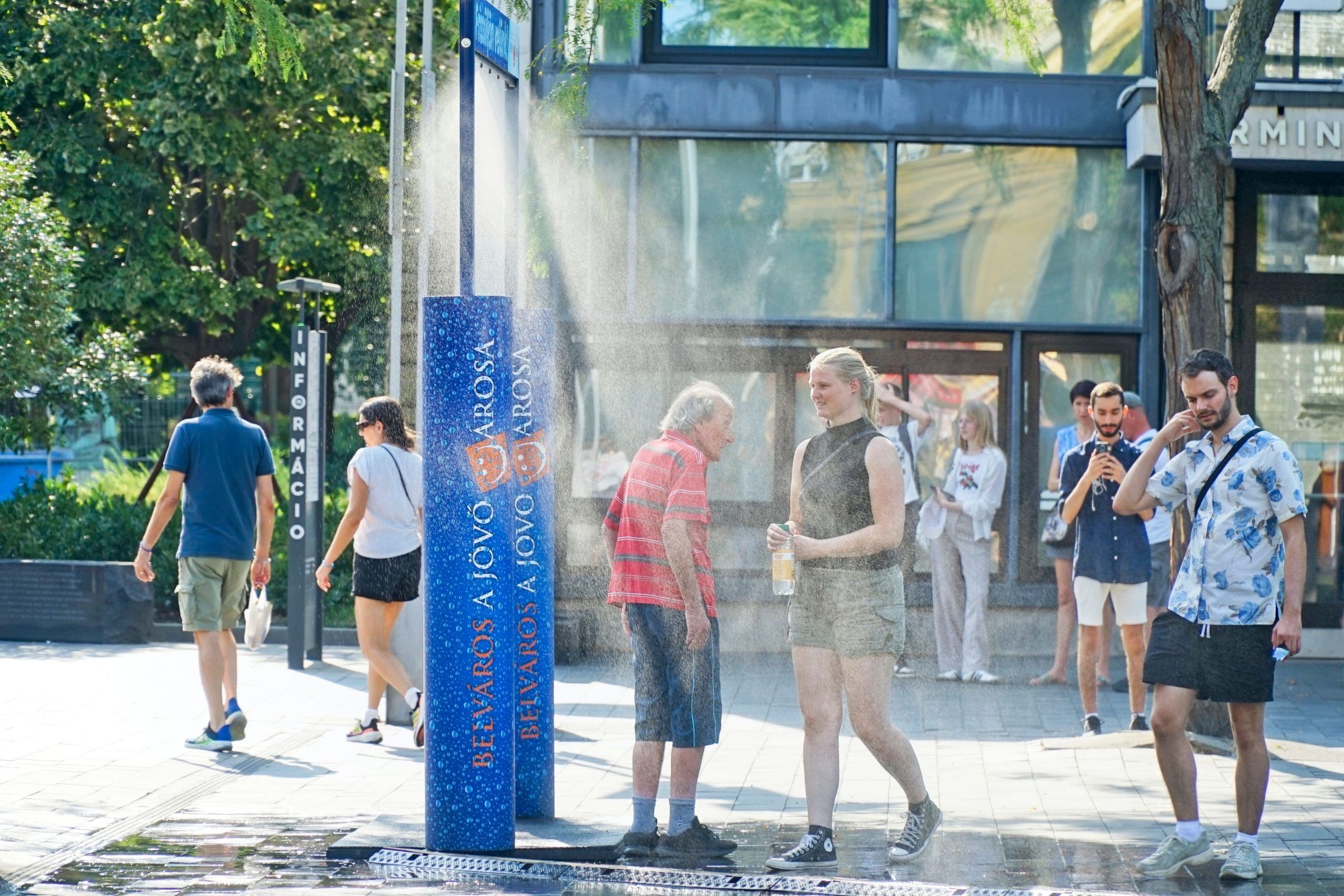
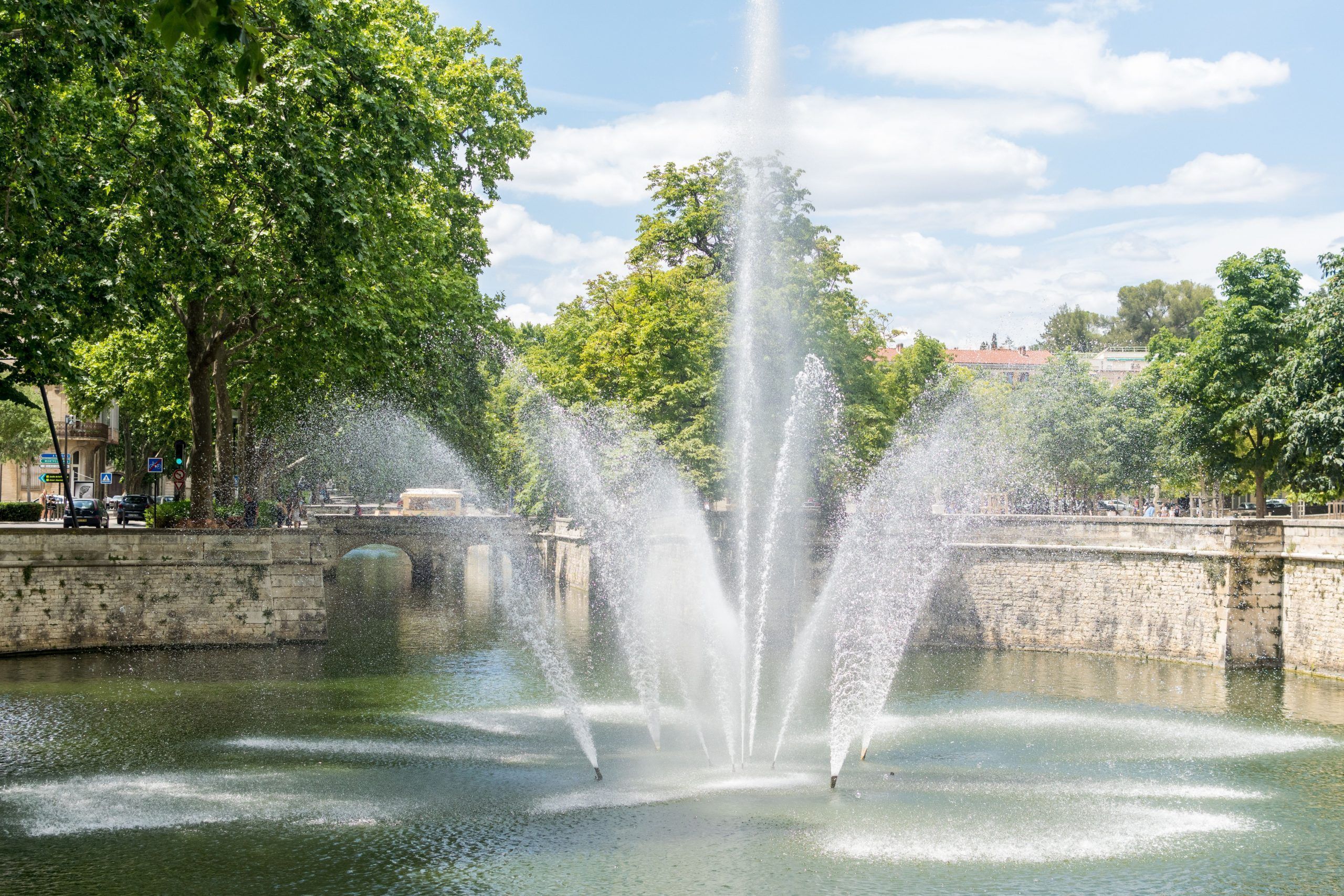
Fountains work quite well for local urban humidification, and during heatwaves, drinking fountains or spray misters help people cope with the heat.
Source: shutterstock
In case of heavy rainfall, which we mentioned above, retention ponds are quite effective. Moisture-loving plants can be planted nearby to further contribute to natural cooling.