Іntensive lobbying efforts by the oil and gas industry and the US government are currently aimed at forcing the European Union to postpone the implementation of methane emissions reduction regulations. Despite methane being one of the most potent gases contributing to global warming, at least 12 EU member states have already sided with corporations.
As Politico reports, in a government letter, the countries almost verbatim repeat the arguments of extractive companies and the administration of Donald Trump. The main argument is manipulating fear by promoting the threat to energy supply.
Testing environmental principles
The publication has learned that a coalition of countries will call at the energy ministers’ meeting to postpone the methane regulation. These rules were supposed to require companies to monitor these gas emissions and transparently report their volumes.
Italy, Poland, Sweden, and the Netherlands, in particular, have sided with oil and gas lobbyists. One government official told Politico that the aim of this appeal is to provoke an official EU response, which could serve as a basis for further political negotiations.
Such pressure could become a test for the European Commission, which, while defending the new methane rules, still proposed temporary relief measures. However, this proved insufficient for the critics.
Subject of debate
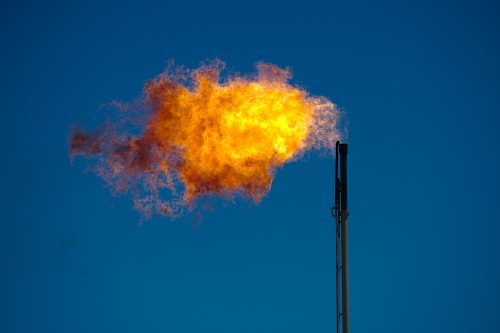
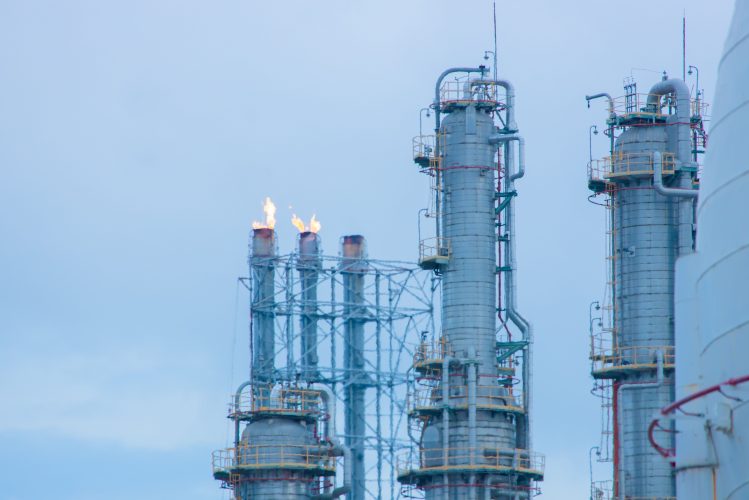
The new methane monitoring and reporting regulations are scheduled to take effect as early as January. The European Commission believes this measure is important for emissions reduction. The EU executive body stated that currently, enormous volumes of methane are lost due to leaks or intentional venting into the atmosphere during extraction.
In contrast, critics refer to research by the consulting company Wood Mackenzie, which claims that the infrastructure required to meet the Commission’s requirements does not physically exist today. Therefore, the new rules may drive companies away from Europe. This will put at risk 43% of gas imports and up to 87% of oil imports.
A similar opinion was expressed by US Ambassador to the EU, Andrew Pazder.
“Without changes, the methane regulation could force suppliers to redirect energy to markets that reward reliability and do not create unnecessary regulatory burdens. This will result in Europe facing reduced supplies and higher prices,” he wrote on X.
EcoPolitic previously reported that oil and gas giants may gain access to European environmental investment funds despite developing new fields. It is sufficient to assure that at least 20% of investments are directed towards clean technologies.