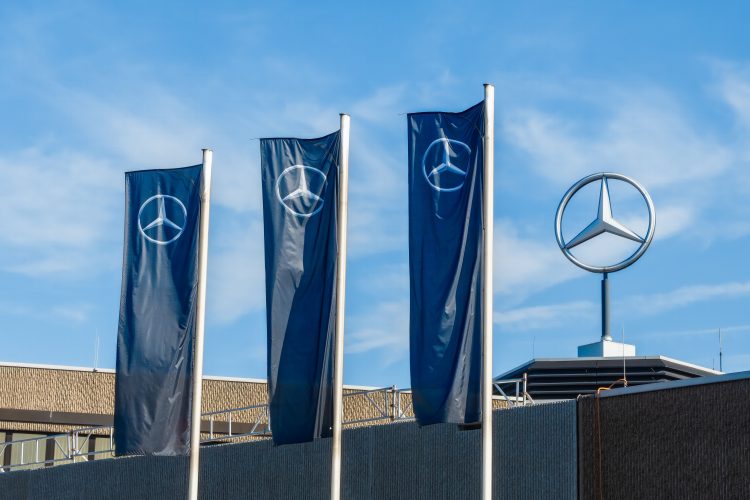
Mercedes-Benz, seeking to reduce its greenhouse gas footprint, has signed a low-carbon aluminium supply deal with the Norwegian company "Hydro". At the same time, the carmaker has revised its 2039 climate target, which it last updated in 2019. Due to some disappointment with the uptake of electric vehicles, the company's environmental ambitions have been significantly scaled back.
This was reported by Reuters.
"Green" aluminium
The contract with Norway's "Hydro" covers at least 10% of the carmaker's aluminium needs.
Overall, Mercedes aims to gradually reduce the CO2 emissions embedded in the production of this material. The target is 3 kg of greenhouse gases per 1 kg of metal. The company's current figure is 4 kg per 1 kg, while the global average is much higher at 14.4 kg of emissions per 1 kg of aluminium.
Mercedes is also joining the First Movers Coalition. The goal of this alliance is to cut carbon emissions in hard-to-abate sectors, in particular heavy industry and long-distance transport.
As part of this initiative, the company commits to purchasing at least 10% of its primary aluminium in line with the coalition's criteria by 2030.
Updated climate target
Mercedes-Benz has updated its climate roadmap. By 2039, the company aims to reduce:
- production emissions by 90%;
- emissions from vehicle use by 80%, if market conditions allow;
- emissions across the entire value chain by 70%.
The company now aims to reach net-zero emissions within a decade after 2039.
Before this revision, Mercedes-Benz aimed to achieve net carbon neutrality by 2039. This covered the entire value chain and the product life cycle.
EcoPolitic previously reported that the relevant committees of the European Parliament have proposed to weaken the transport decarbonisation target. Whereas previously zero emissions had to be achieved by 2035, if the changes are adopted, a reduction of only 87.5% will be sufficient.