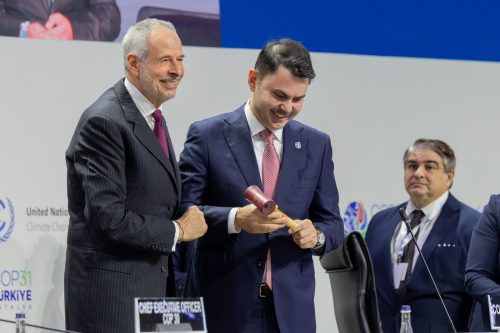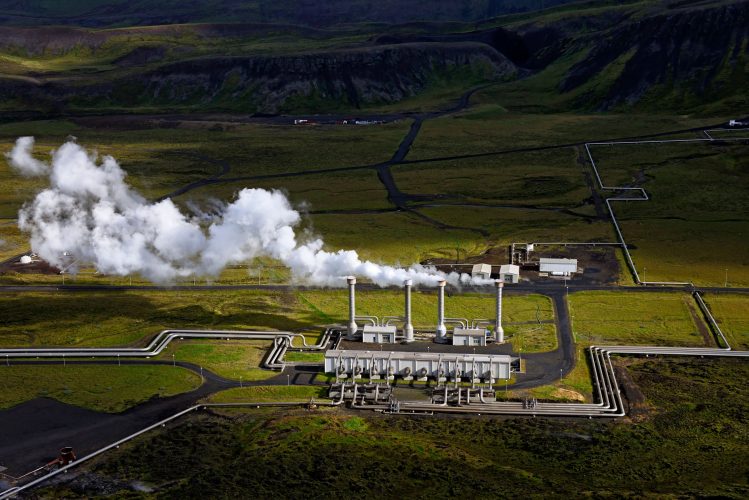
At the UN Climate Change Conference COP31, currently under way in Antalya, Türkiye, countries were invited to join a new global target to increase geothermal energy production 12-fold by 2050. The European Union has signed up to this commitment.
This was reported on the European Commission website.
The target was launched jointly with the International Renewable Energy Agency (IRENA). It aims to expand the use of geothermal sources to produce clean heat and electricity.
According to IRENA, the world currently uses 2.5 EJ of geothermal energy, and global geothermal capacity stands at 15.6 GW. In its analysis, the agency argues that by 2050 these figures could realistically increase more than 12-fold, to 30 EJ and 193 GW respectively.
What the commitment involves
Signatory states undertake to strengthen the policy framework for the development of geothermal energy, as well as for attracting investment in this energy sector.
Joining the target also means:
- supporting scientific research and technological development;
- strengthening supply chains;
- enhancing international cooperation and technical assistance.
The European Union recognises the important role of geothermal energy for resilience and competitiveness. This energy source is not only clean, especially compared to fossil fuels. Geothermal generation is stable and, unlike solar or wind power, does not depend on the season or the weather.
"By harnessing this clean energy source, we can reduce emissions, keep energy affordable for our citizens and businesses, and strengthen our strategic autonomy. By joining this pledge, the European Union reaffirms its commitment to unlocking the full potential of geothermal energy as the foundation of a more resilient, sustainable and diversified energy system," said EU Commissioner for Energy and Housing Dan Jørgensen.
EcoPolitic previously reported on another proposal promoted by this year's COP leadership. It concerns increasing the global level of electrification to 35% by 2035. The EU, although not without difficulties, has also agreed to this commitment, but other countries remain divided.