Representatives of the Danish operator of the gas transmission system "Energinet" stated that the country plans to replace 100% natural gas with biomethane by 2030.
Currently, biomethane provides 34% of gas demand in Denmark, reports the Irish Farmers Journal.
It is noted that Denmark's national goal is to reduce carbon emissions by 70% by 2030, ensure energy security and keep energy costs at an acceptably low level. Key to decarbonization is renewable energy.
The article emphasized that currently in the country, about 50% of electricity is generated by wind and solar plants.
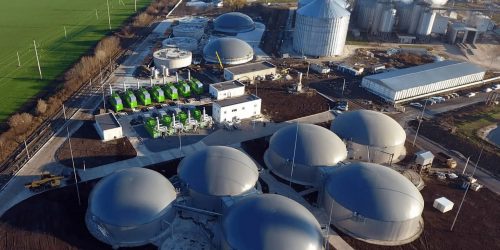
The first Danish biomethane plant using anaerobic digestion technology started operating and supplying renewable gas to the gas network in 2013. Since then, the country has developed projects for another 54 biomethane plants.
"The importance of security of energy supply and the use of 'green' energy has been very important for Denmark, and we always focus on the socio-economic perspective," explained Ramus Jensen, representative of Energinet.
Denmark is currently moving from a sole source of natural gas in the North Sea to a decentralized supply of local biomethane across the country.
Earlier, EcoPolitic wrote, that a report by the European Biogas Association showed that biomethane and biogas are becoming increasingly important sources of energy in the EU's energy mix, and their production will increase over the decade.
As EcoPolitic previously reported, all public transport (more than 60 buses) in the city of Tartu in Estonia converted to biomethane.