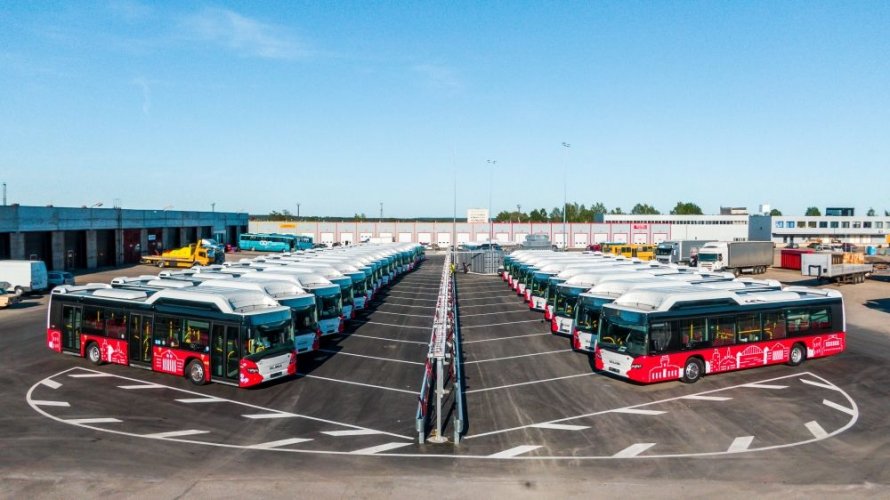
In Estonia, in the city of Tartu, all public transport (more than 60 buses) was converted to biomethane.
The energy company Alexela, which supplies fuel for buses, said that for the environment, biomethane is the best alternative for the transport sector, the Bioenergy Association of Ukraine reports on Facebook.
Tartu is the center of Southern Estonia and the second largest city in the country.
The article noted that Tartu is one of the few medium-sized cities in Europe where the entire public transport system has been switched to the use of renewable fuels since 2020. The city receives biomethane through the largest public gas filling station in the region.
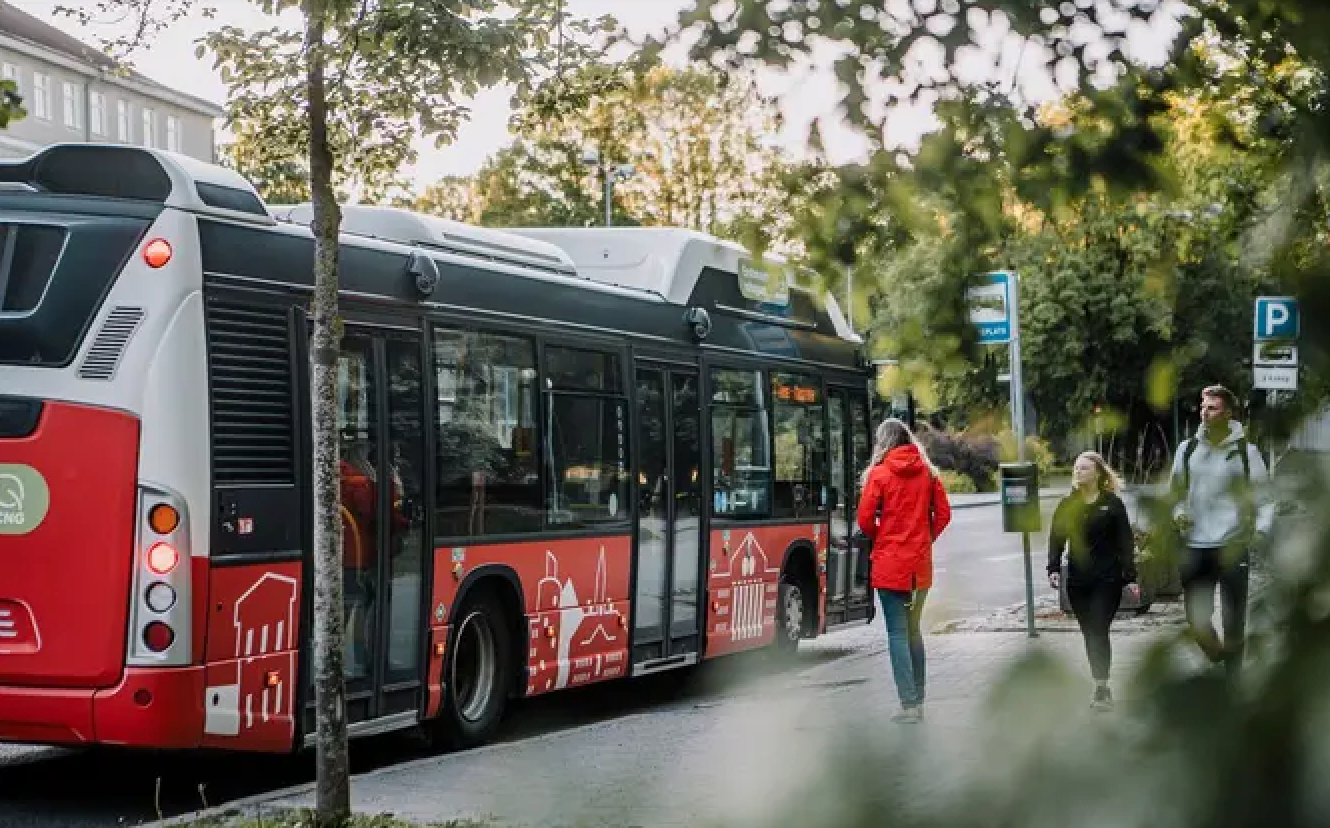
This project received €2.2 million from the Cohesion Fund of the European Union, thanks to the support of the Environmental Investment Center.
The article emphasized that the strategic goal of Tartu is to reduce the impact of transport on the environment.
The city uses local renewable fuel to:
- reducing the volume of imported liquid fuel,
- preserving jobs in Estonia,
- support of rural areas.
BAU emphasized that Ukraine has one of the largest potentials for biomethane production.
Earlier, coPolitic wrote, that in Germany, the diesel trains of the LNVG regional connection were replaced by the first ones in the world trains on 100% hydrogen engine from the French company Alstom.
As EcoPolitic previously reported, in the USA Dallas Fort Worth International Airport is one of the first major centers that recycles oil from DFW McDonald's restaurants into jet fuel.