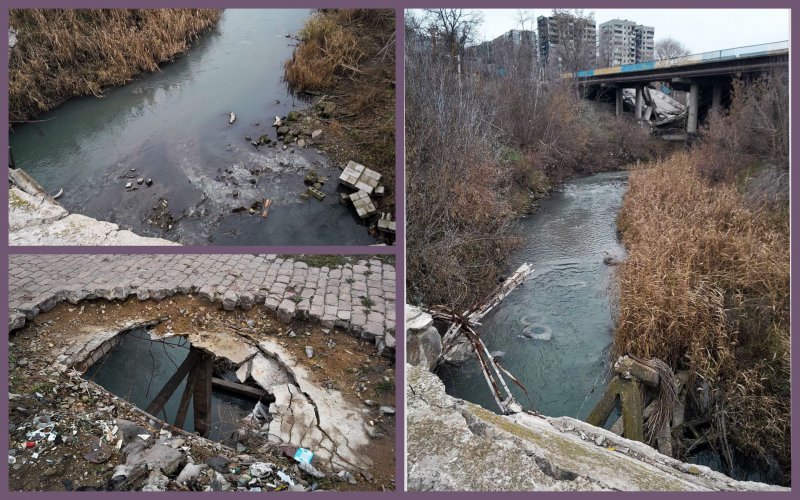
In Mariupol, in Donetsk region, the occupation authorities dismantled a brick mini-dam on the Kalchyk River, which protected the river from waterlogging.
Now the flow of the river has slowed down, its waters have become gray-green in color and have a strong smell of decay, and Kalchik itself has begun to turn into a swamp, the advisor to the mayor of Mariupol reports Petro Andryushchenko on Telegram.
"The stench of festering along the entire passage of the river in the city. Of course, this is an environmental crime," Andryushchenko noted.
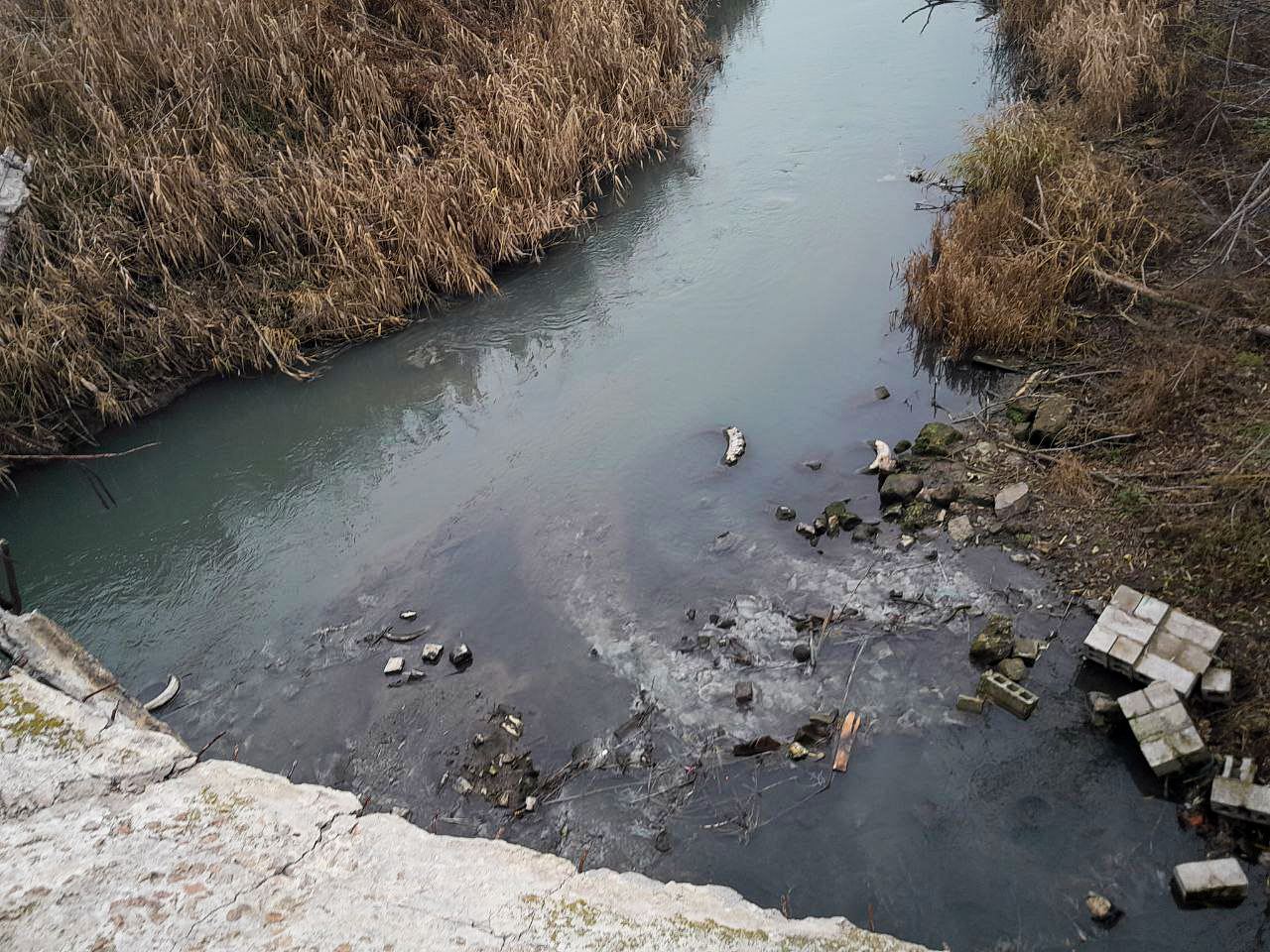
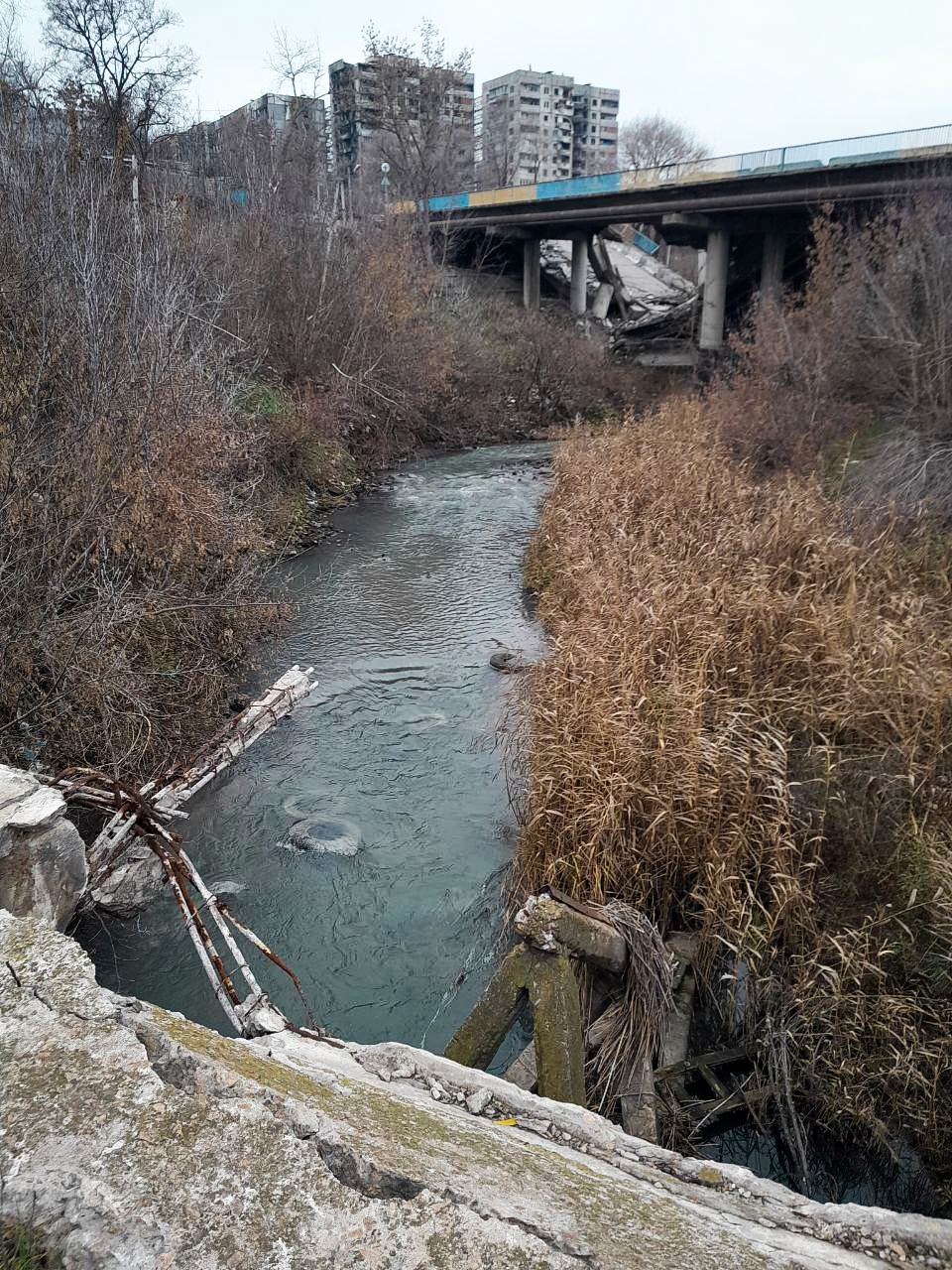
He emphasized that this also led to a decrease in the inflow of fresh water into the Sea of Azov. However, the reasons for such actions of the occupiers are unknown.
"Everything that Russia does not touch in Mariupol turns into ashes to rot," said the adviser to the mayor of Mariupol.
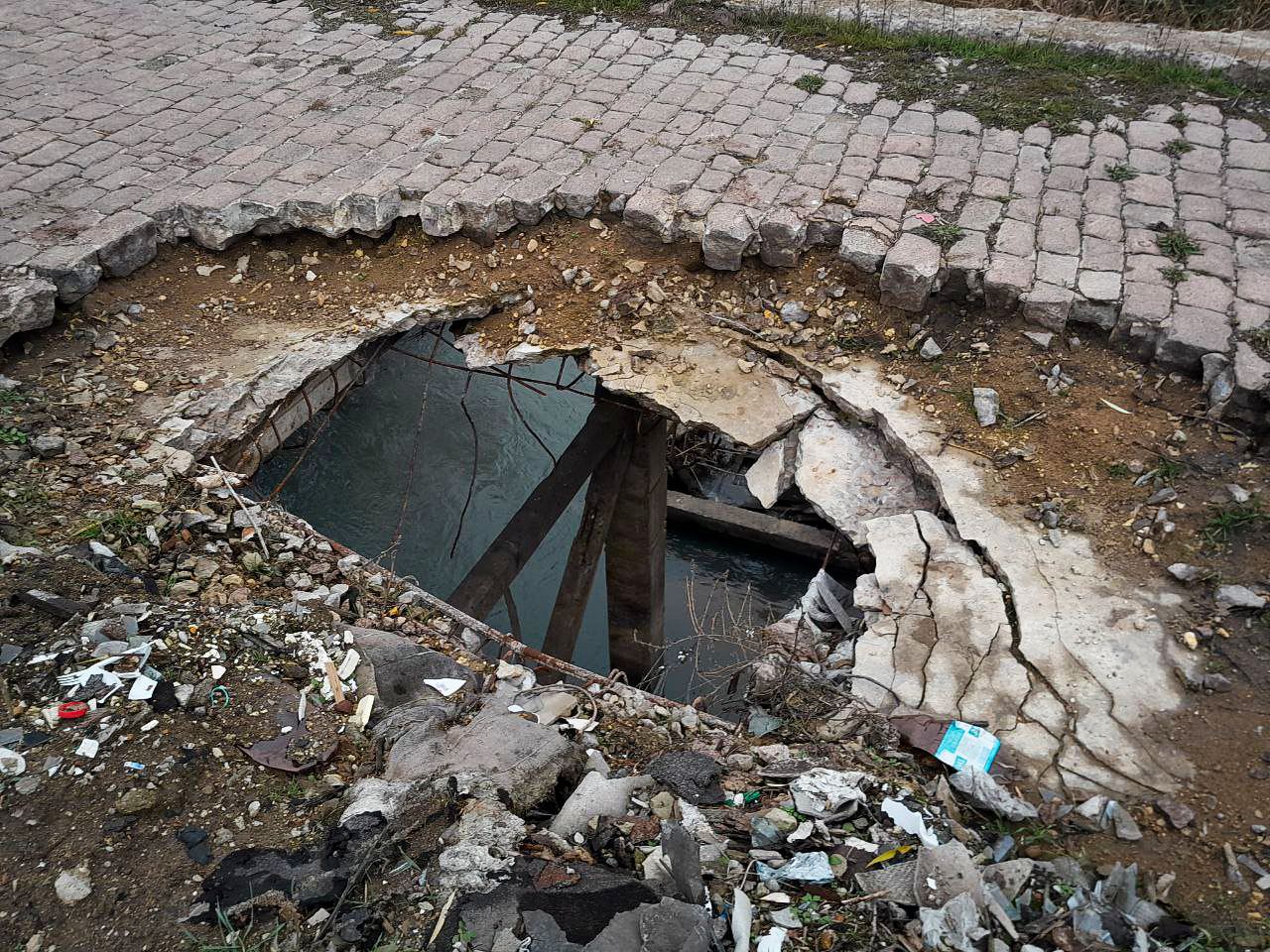
Earlier, EcoPolitic wrote, that fire arose in Mariupol at the "Satellit" agricultural plant and at the main solid waste landfill in Livoberezhny district, however, the occupiers continue to take construction waste to the landfill.
As EcoPolitic previously reported, the Russian occupation authorities in Mariupol, captured by Russian troops forbade the inhabitants of the city to swim in the Sea of Azov. The reason for the ban was the explosive growth of the incidence of intestinal infections and the threat of a cholera epidemic.