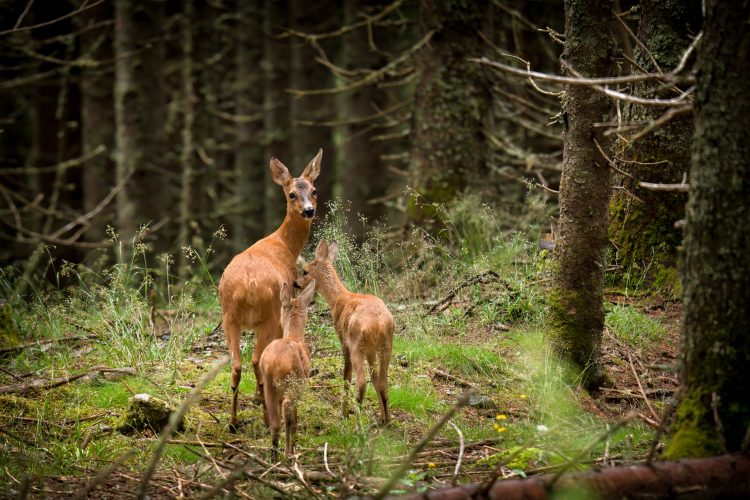
As a result of its development, humanity is constantly encroaching on the habitats of wild flora and fauna. This day is intended to draw attention to the rapid and irreversible disappearance of the natural habitats of animals and plants, as well as to the role of humans in this process.
The history of the date
World Habitat Day was established back in 1979. It was launched under the Convention on the Conservation of European Wildlife and Natural Habitats (the Bern Convention).
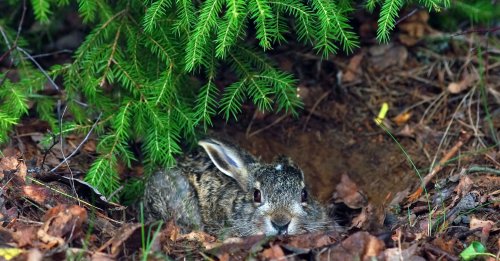
Due to deforestation, river pollution and the draining of wetlands, countless species of flora and fauna are disappearing. Even if they are of no direct benefit to humans, they play a vital role in maintaining the balance of the ecosystem. This imbalance, in turn, leads to the extinction of species, the spread of invasive species and so on.
How can we save the environment?
There are not many places left in the world where nature has not been harmed by economic activity. The key to protecting them lies in consistent national and regional policies that are in line with international guidelines.
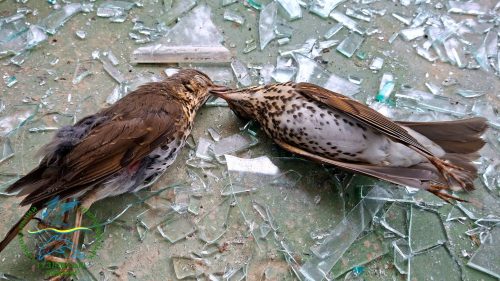
The most important thing is to take every possible step to avoid encroaching on animals’ natural habitats in our activities. Even in the event of indirect interference, a series of environmental measures must be put in place, such as wildlife crossings or the suspension of wind farm operations during migration periods.
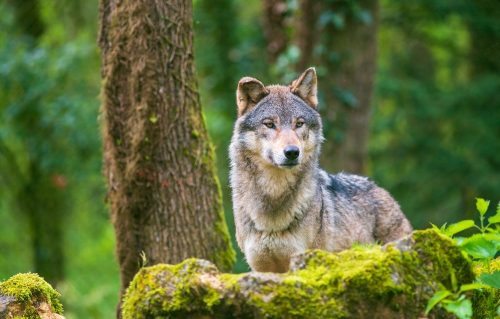
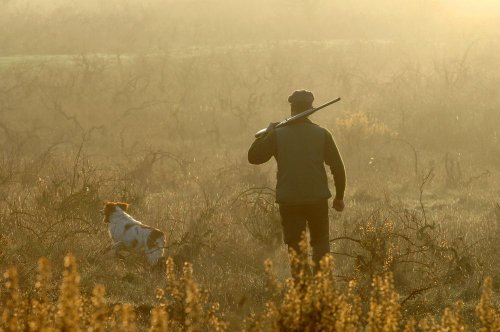
Unfortunately, the provisions of the Bern Convention are frequently breached in Ukraine. In particular, environmental activists have highlighted this in relation to the clearing of forests in the Carpathians to lay power lines for wind farms and the authorisation to cull wolves. What is more, the matter has even reached the stage of international ultimatums. For instance, the Bern Convention committee is demanding an explanation from Ukraine regarding the use of the Markhalivsky Forest for the construction of a memorial cemetery.
This date, therefore, serves as a call to reflect on the need to treat nature with care and to create the necessary conditions for its conservation.