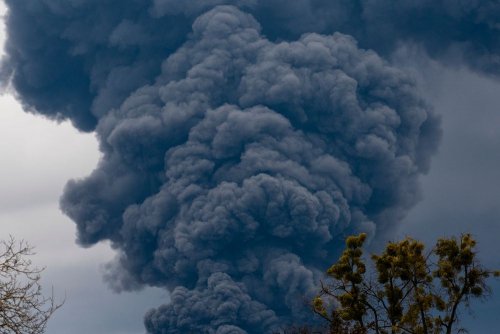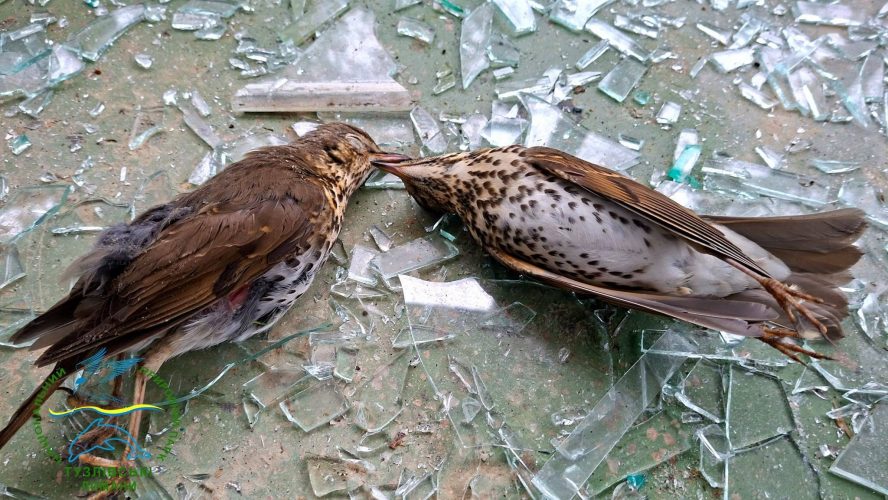
After a series of explosions in the Odesa region, scientists recorded the deaths of song thrushes, a migratory species that is currently moving south through the region. The tragedy occurred at a recreation centre near the "Tuzly Estuaries" National Nature Park. The birds die from acute blast trauma, as their physiology is extremely sensitive to sudden pressure changes.
Ivan Rusev, head of the research department of the "Tuzly Estuaries" National Nature Park, explained on his Facebook page why war is so deadly for birds.
Instant harm
Birds have an extremely high metabolic rate. Combined with the specific features of their cardiovascular system, this means that a shock wave causes barotrauma.
"Explosions deliver a colossal hydrodynamic blow to the body's internal environment. Since a bird's body is small and its tissues are filled with fluid, the pressure drop is transmitted instantly," the scientist said.
The walls of birds' blood vessels and capillaries are very thin, so an explosion literally tears them apart.
This effect is amplified by another factor: the enormous amount of adrenal hormones released into the animals' bodies due to stress. Their levels can be thousands of times higher than normal.
"This causes spasm in some vessels and paralysis in others. Under the shock and the sharp spike in pressure, the vascular wall loses its integrity. The capillaries literally 'melt' or rupture due to spasm followed by paralysis of the microcirculatory bed," Ivan Rusev added.
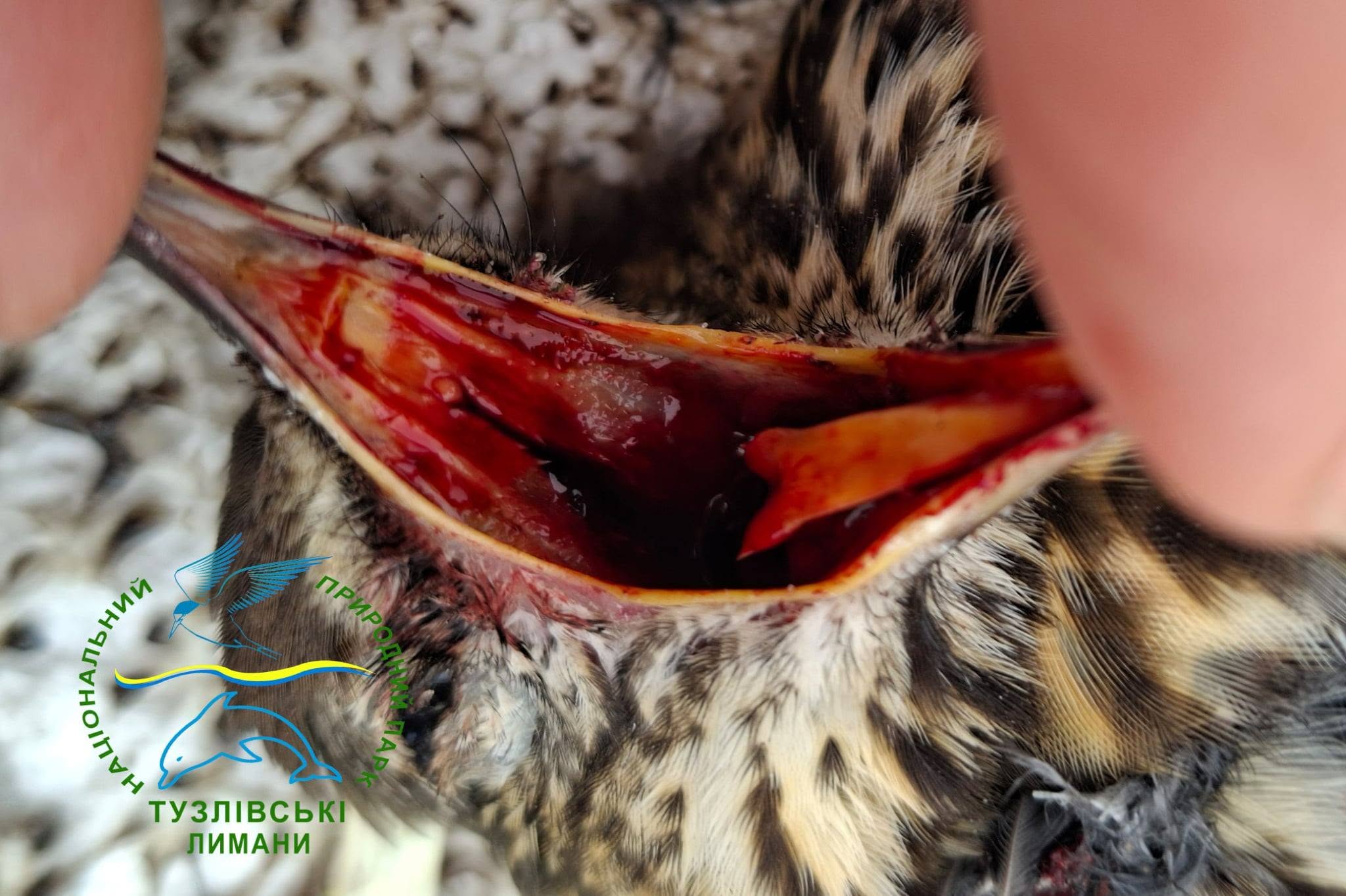
Blood leaks into the tissues and body cavities, as autopsies of the dead birds show. The liver, a capacious blood-filled organ, suffers particular damage. Blood also floods into it massively during severe stress and when the bird's heart stops. This results in acute blood congestion. Combined with the hydrodynamic blow, it leads to the rupture of the liver's capillaries.
Source: Ivan Rusev / Facebook
"In such cases, instant death after an explosion is caused not even by blood loss, but by shock to the central nervous system and acute cardiac arrest. A super-powerful impulse from the receptors and the shock to the medulla oblongata cause the respiratory centre to stop instantly," the scientist clarified.
Ivan Rusev added that the thrushes had been in a calm state while roosting for the night. So the sudden colossal stress caused an instant systemic collapse of all the body's systems.
EcoPolitic previously reported that the war could lead to the disappearance of entire bird species in certain regions.
These timid animals also lose the opportunity to raise their offspring in peace. For example, the pink flamingos that have been nesting in the "Tuzly Estuaries" since 2021 have managed to raise chicks only once because of the sounds of shelling.