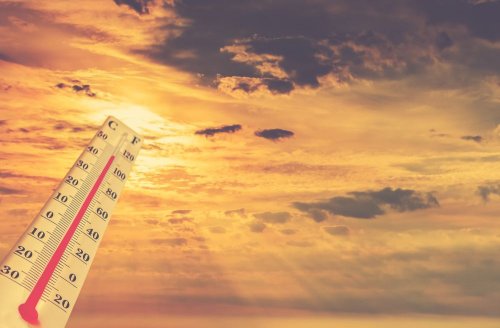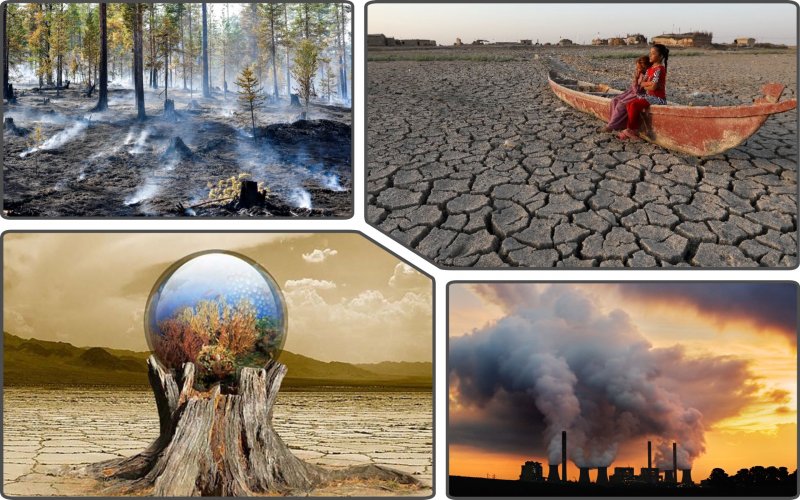
A study by leading climate scientist James Hansen has shown that emissions from fossil fuel combustion and the El Niño climate phenomenon will lead to a 1.7°C temperature increase as early as May 2024.
This high temperature will not violate the commitments of world governments to limit global warming until such indicators are recorded for several years in a row, The Guardian reports.
The article emphasized that James Hansen, a former NASA scientist, warned the world about the dangers of climate change in the 1980s.
Hansen noted that even after the weakening of El Niño in the coming years, global temperatures will remain at the 1.5°C limit. The heating will increase due to other factors, including glacial melting.
"The global warming limit of 1.5°C has been exceeded for all practical purposes, as the global planetary energy imbalance ensures that global temperatures rise even higher," Hansen and the other two climate researchers said in a statement.
According to the scientist, the rate of global warming is accelerating due to the widening gap between the amount of energy that the Earth absorbs from the Sun and the amount that is returned to space.
In January, US and EU science agencies are expected to confirm that last year was the hottest on record and global temperatures in 2023 will be almost 1.5°C warmer than the pre-industrial era.
Earlier, EcoPolitic wrote, that a study by American scientists showed that the world is in the early stages of a climate emergency and will exceed the level of global warming by 1.5°C by 2030 and by 2°C by 2050.
As EcoPolitic previously reported, a study by the international non-governmental organization Save the Children showed that in 2023, at least 12,000 people died worldwide due to floods, forest fires, cyclones, storms and landslides.