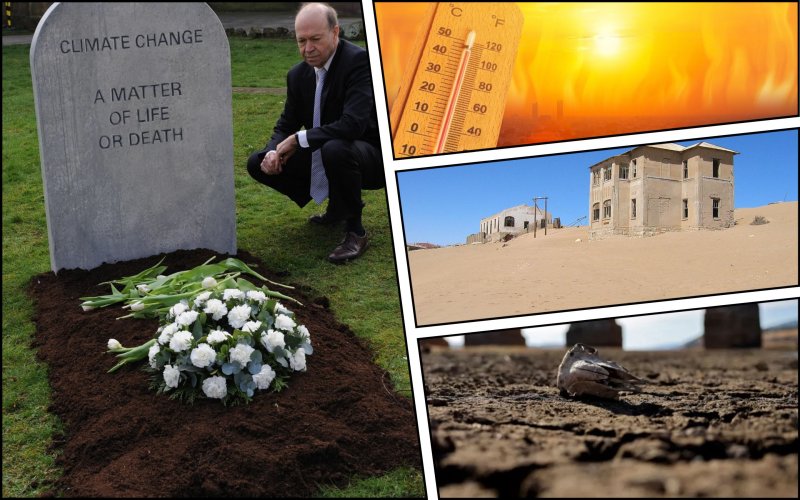
A study by American scientists has shown that the world is in the early stages of a climate emergency and will exceed global warming by 1.5°C by 2030 and 2°C by 2050.
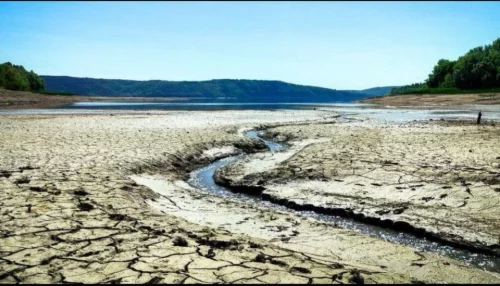
Once the 1.5°C limit is crossed, it will become much more difficult for humanity to adapt to the effects of climate change, particularly heatwaves, droughts and floods, reports CNN.
The study was co-authored by James Hansen, who first brought attention to climate change in the 1980s.
“The 1.5°C limit is deader than a nail,” he said. “And the only way to save the two-degree limit is through targeted action.”
The study called on the world to actively implement the following actions:
- taxing carbon pollution;
- increasing nuclear power to complement renewable generation;
- decisive action by developed countries to help developing countries transition to low-carbon energy;
- Drastically reducing the planet's carbon pollution is the highest priority.
Global warming is said to be accelerating due to efforts to combat air pollution, especially in China. After all, the particles reflected sunlight from the Earth and created a cooling effect. However, such pollution posed a serious health hazard.
Hansen previously warned that humanity has significantly disrupted the planet's energy balance. Now much more heat comes from sunlight than is radiated into space. This excess is equivalent to detonating 400,000 Hiroshima atomic bombs per day, with most of the energy absorbed by the ocean.
It is noted that due to global warming, by 2100 oceanic currents may stop.
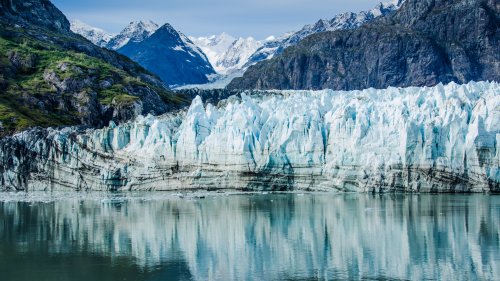
Hansen said he was particularly concerned about the melting of the Antarctic ice sheet and particularly the Thwaitsoo Glacier, also called the Doomsday Glacier. Its melting will lead to ice collapse and a catastrophic rise in sea levels.
"If we're going to keep sea levels at that level, we actually have to cool the planet," he said.
Researchers propose cooling the planet using solar geoengineering. This controversial technology aims to lower temperatures by reflecting sunlight away from Earth, or allowing more heat to escape into space. This can be done, for example, by injecting aerosols into the atmosphere or spraying clouds with salt particles to make them more reflective.
Hansen noted the need for such actions. After all, since June 2023, every month has become the hottest in history.
Earlier, EcoPolitic wrote, that a study by the British Antarctic Survey found that no matter how much the world reduces carbon emissions The West Antarctic Ice Sheet will inevitably melt.
As EcoPolitic previously reported, the chair of the European Climate Fund (ECF), Professor Laurence Tubiana, said that through diplomacy and propaganda Russia is trying to harm Europe's green transition and sabotaging international climate negotiations.