Environmentalists in France have noted the emergence of a new trend – fast deco – similar to fast fashion. It refers to mass-produced, cheap home decor items that are quickly thrown away.
This was stated in a recent report by French environmental associations.
In recent years, “fast fashion” has been in the spotlight, and so many consumers try to avoid buying cheap, mass-produced clothing. But now another environmentally harmful market has emerged.
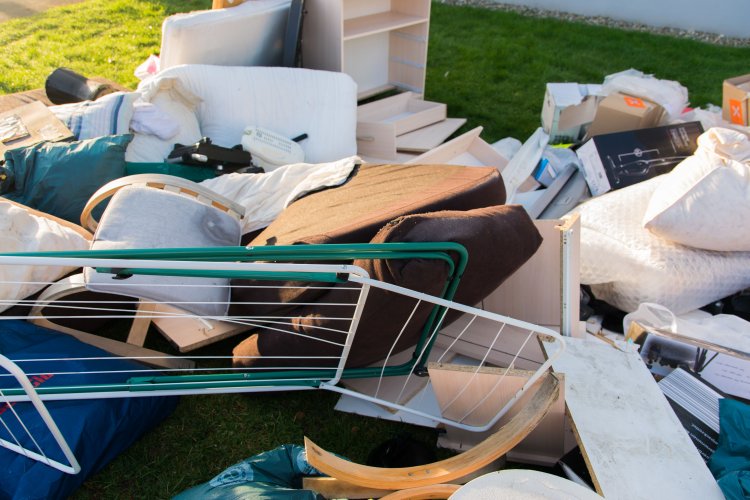
Fast deco, as it has been called by French environmentalists, refers to inexpensive furniture and home decor items that are made in bulk. Like clothes, they are a cheap imitation of high fashion trends and are quickly replaced by the next craze.
With the increase in purchases, which boomed during the coronavirus pandemic, the amount of waste has also increased. This leads to significant environmental problems, as a lot of furniture ends up in landfills or incinerated.
A study published in the French financial newspaper Les Échos shows that between 2017 and 2022, the amount of furniture placed on the French market has increased by 88%. With the increase in purchases, the amount of waste also increased: between 2014 and 2020, their amount in the country doubled.
Today, environmental organizations collect more than 1.3 million tons of furniture waste. Almost half of it cannot be reused, repaired or recycled and is burned in incinerators or landfilled.
This is why environmental organizations want fast consumption to be replaced by a culture of reuse and repair. RREUSE, the European network of social reuse enterprises, estimates that its members managed to save around 1 million tons of goods and materials from landfills in 2022. This is equivalent to the annual CO2 emissions of more than 108,000 Europeans.
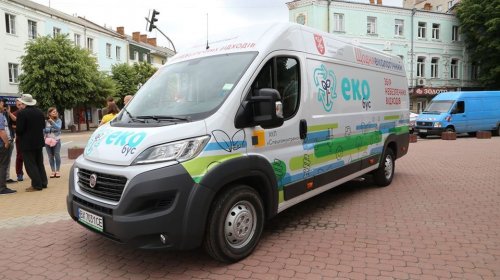
Earlier, EcoPolitic reported that in Poltava they started accepting parts of old TVs and plastic furniture for money, and in Kyiv there was an opportunity to hand over old furniture for recycling.
Also, we recently talked about what color plastic is more dangerous for people and the environment.