Laboratory tests have shown that recycled construction waste can be used in concrete for new construction. Without losing any of their technical characteristics, they can replace up to half of the natural aggregate in the mixture.
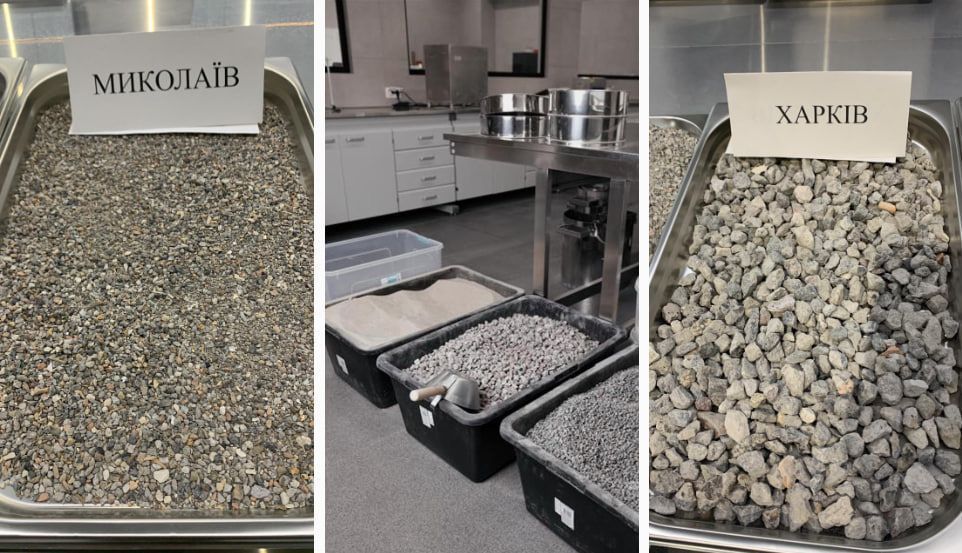
The research was conducted by the Ukraine Support Team in collaboration with Cemark and the city councils of Kharkiv and Mykolaiv.
A double problem
Between February 2022 and March 2025, Russia destroyed more than 230,000 residential buildings. However, the consequence of systematic Russian attacks is not only bitter losses.
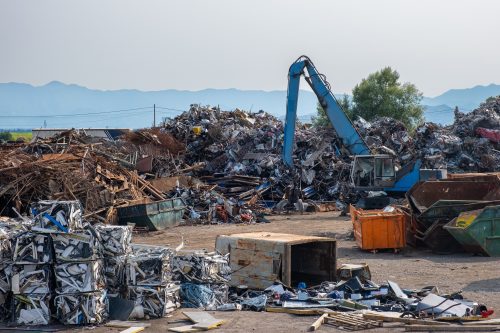
Destroyed housing means millions of tons of construction waste that requires additional storage space. On a national scale, especially in cities close to the combat zone, this creates significant environmental risks.
Recycling as a solution
The reuse of construction waste will have a positive impact on both the environment and the economy. It will lead to:
- reduced strain on solid waste landfills;
- lower demand for extracted materials and, as a result, reduced CO2 emissions during their extraction;
- the creation of new jobs.
“We are already analyzing which types of construction products can use these materials so that they bring economic benefit to communities and at the same time reduce pressure on the environment,” said Ukraine Support Team (UST) head Olena Koltyk.
Source: Ukraine Support Team
Research rationale
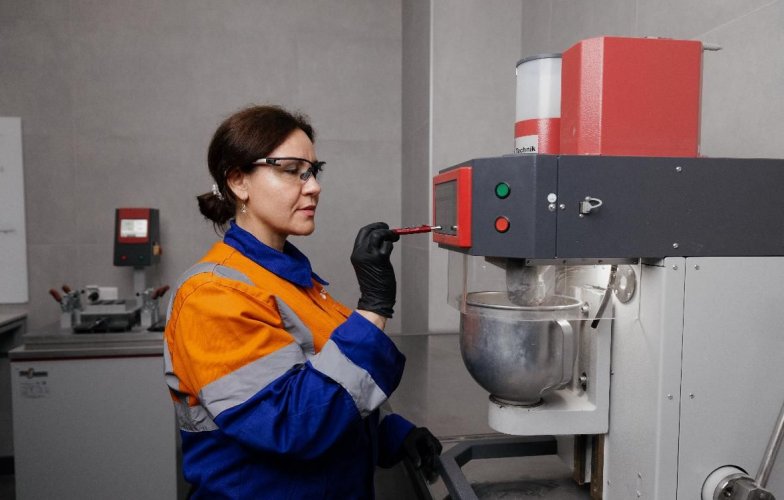
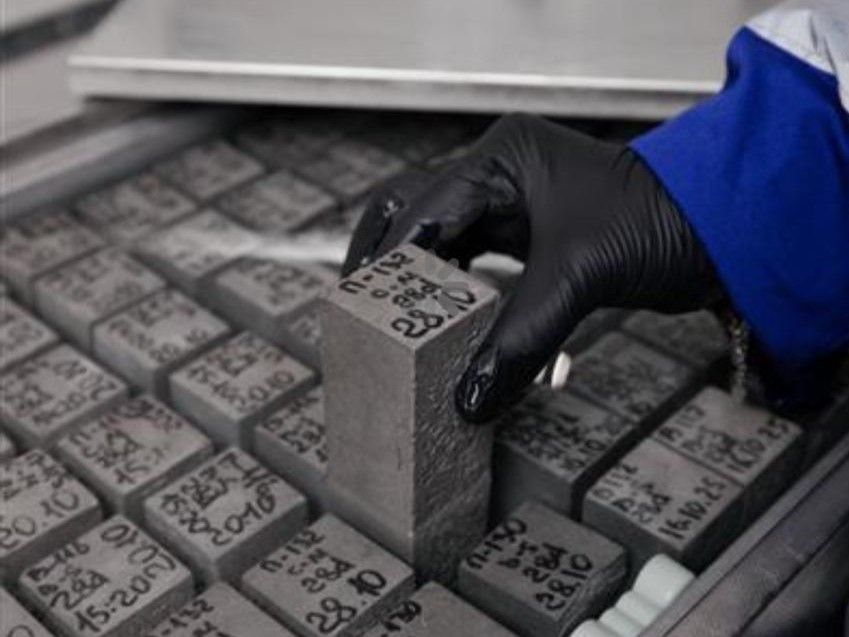
UST’s laboratory ran a series of tests on concrete mixes containing recycled debris. The research confirmed that such mixes are suitable for construction and can fully replace conventional concrete. The plasticity and strength of these recycled materials exceeded the project authors’ expectations by 30%.
Source: Ukraine Support Team
Recycled concrete waste can be used to replace up to 50% of the aggregate in the mix, such as sand or gravel. At the same time, the concrete’s strength and other properties are not diminished.
Earlier, EcoPolitic reported that Ukraine has approved the National Waste Management Plan. By 2033, up to 70% of the mass of non-hazardous waste is to be prepared for recycling.