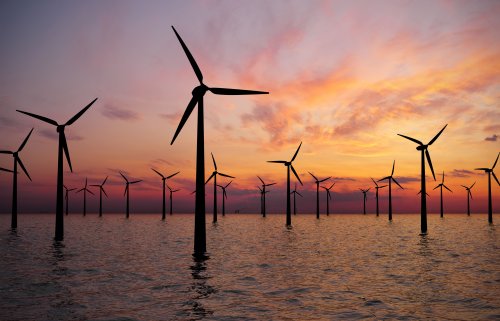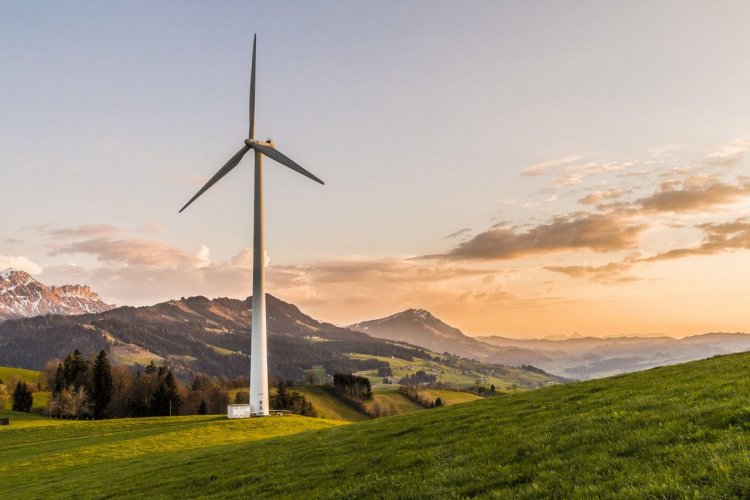
The Russian cyberattack against Ukraine, at the start of a full-scale invasion, damaged Germany's wind power industry.
This is stated in the statement of the Federal Ministry of Foreign Affairs of Germany, which condemned such actions of the Russian Federation.
"Together with its European and international partners, the Federal Government condemns the Russian Federation cyber attack on the KS-SAT satellite network on February 24, which was directed against Ukraine. This attack was carried out in direct connection with the Russian attack on Ukraine, and it was clearly aimed to disrupt Ukrainian communications on the day of the invasion," the ministry said in a statement.
In addition, the RF cyberattack also resulted in communication disruptions that affected the European Union. In Germany, for example, the wind energy industry has suffered from disruptions in maintenance, the Foreign Ministry said.
The German government takes the risk of such unacceptable cyberattacks very seriously, the statement said.
"Cyber attacks on economic entities, critical infrastructure and public institutions pose a threat to our security, our democracy and our free society. Germany is determined to take action against cyber attacks together with its European and international partners," the Foreign Ministry said.
Before EcoPolitica wrote that the Russian invasion of Ukraine could result in more than $1 billion in losses for Ukraine's renewable energy sector.