Burning forests, dead dolphins, dried-up lakes – the ecological outlook for 2026 appears distinctly grim. From the very beginning of the year, regions of Ukraine have already suffered from natural disasters or large-scale pollution. Quite often, human factors have been at the root of these tragedies.
EcoPolitic has prepared for its readers an overview of the major disasters that have already occurred in Ukraine’s natural environment during the first eight months of this year.
Fires in ecosystems
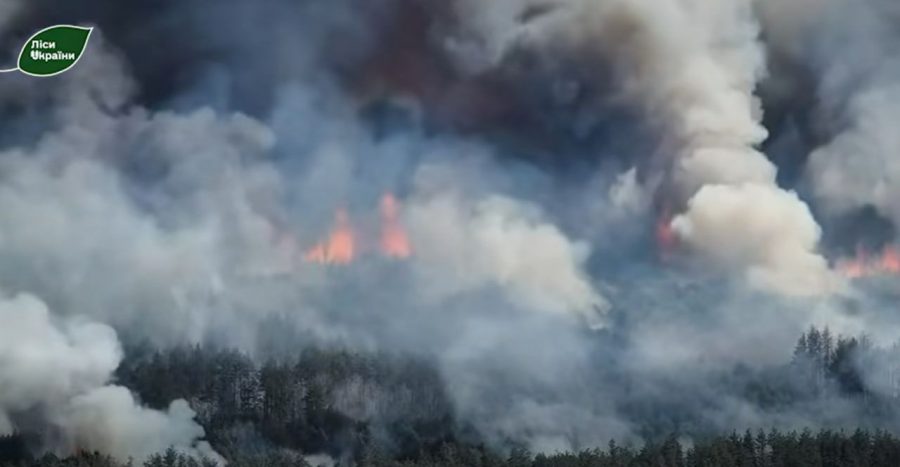
The belief that large-scale fires in fields and forests erupt only during hot summer weather is far from reality. As of March 23 alone, fires had already scorched 94,000 hectares of land and claimed three lives. In less than three months, rescuers extinguished 3,225 fires.
By early May, forest fire season had begun. In Zakarpattia, on May 5, fire engulfed 75 hectares in the Verkhno-Volovetske forestry. To tackle the disaster, 250 people were mobilized-rescuers, forestry workers, and local residents. The response involved 24 units of specialized equipment. The State Emergency Service (SES) had to deploy its own aviation. The fire was contained only on May 7. According to the SES, the fire’s spread was driven by an abnormal drought and strong winds.
At the same time, a vast fire broke out, covering 2,400 hectares of forest in Chernihiv region, right near the Russian border. Fire was devouring forests within the Yelynskyi and Tykhonovytskyi forestries of the Koryukivske Forest District under the State Enterprise "Forests of Ukraine." Firefighting efforts were complicated by enemy drones threatening the lives of forestry workers.
Several forest fires spread across Zhytomyr region. As of May 11, 250 hectares had already burned.
By late June, over 500 separate ignition sites were recorded in the Chornobyl Exclusion Zone. The emergence of fires was linked to both military activity and weather conditions.
Steppes in the Askania-Nova Biosphere Reserve, located in the temporarily occupied part of Kherson region, also caught fire. Using satellite data, scientists discovered that as of June 29, fires had completely destroyed 13 reserve quarters and damaged another 15. By the evening of July 1, five more new outbreaks had been reported.
Quite often, the cause of ignition is human error, while heat and strong winds amplify the fire into a destructive blaze. Therefore, let us remind you that in Ukraine, fines are prescribed for burning dry vegetation. For individuals, they can reach up to 6,120 UAH, and for officials and entrepreneurs – up to 21,420 UAH. In addition, you will have to compensate for the damage caused to the ecosystem. In special cases, criminal liability is also stipulated.
Fire and landfills
Fires at landfills require special attention. Even smoke from a forest fire contains harmful pollutants. In the case of burning and smoldering tonnes of waste, toxic and carcinogenic compounds are released into the atmosphere, posing a direct threat to human health.
In 2026, large-scale fires have already occurred at several landfill sites. For instance, at the beginning of May, the Starobohorodchanske landfill caught fire in Ivano-Frankivsk region. Although the fire covered only 300 m2 of the area, extinguishing it required the involvement of 15 rescuers and a fire brigade from the neighboring Pidgirya. The concentration of carbon monoxide in the epicenter exceeded the norm by more than ten times, and nitrogen dioxide – by six times.
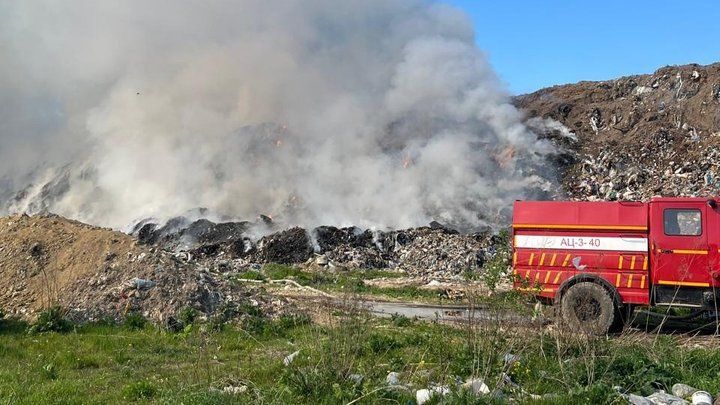
Source: State Emergency Service in Ivano-Frankivsk region
For over four days, Kryvyi Rih suffered from unbearable stench. The reason was a fire at the solid waste landfill that occurred during the night of June 20–21. About 500 m2 of the site were engulfed in flames; to extinguish and eliminate smoldering, 15 units of heavy equipment had to be deployed and thousands of cubic meters of clay and sand were used. Among the probable causes of ignition were the fall of debris from a downed drone, the heat, or a human factor, such as a discarded cigarette butt.
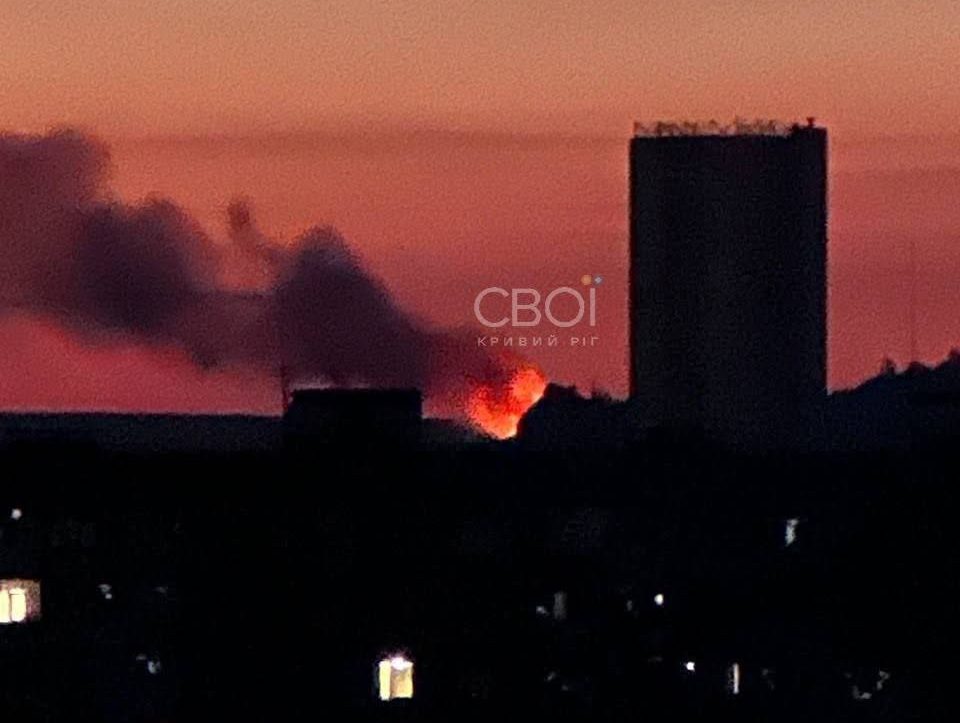
Source: "Svoi. Kryvyi Rih"
The drying up of lakes and rivers
Water bankruptcy, which the United Nations declared back in January 2026, is gradually becoming a reality for Ukrainians.
It was only in July that the complete drying up of Khmelnytsky region's largest lake, Svyate, became known. This glacial lake, located in the forest of the “Male Polissia” national park, had existed for nearly 10,000 years. However, it is now left without water. Experts link this to climate change – droughts and high temperatures have led to the reduction of groundwater levels and the drying of neighboring swamps, which previously fed Lake Svyate.
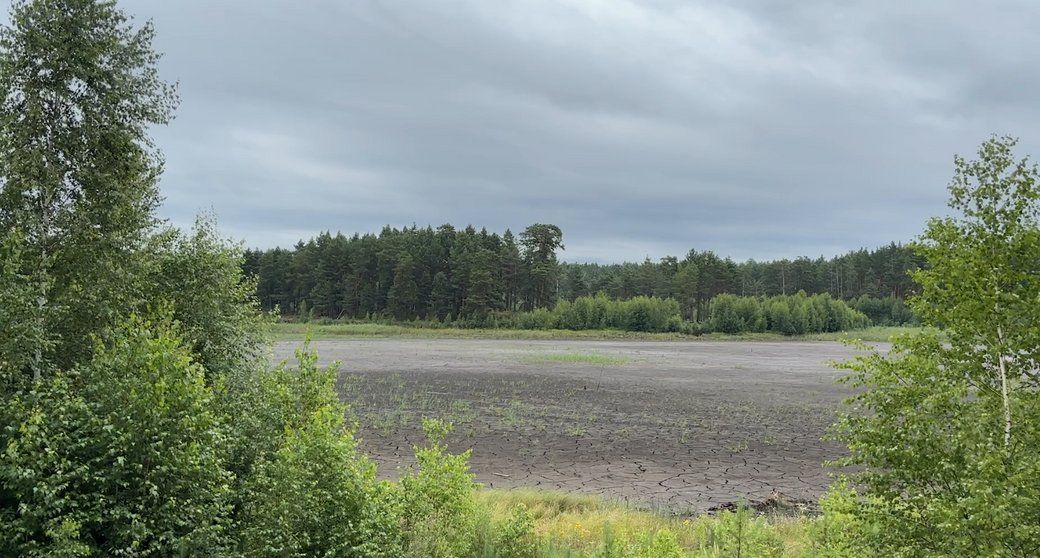
Source: Suspilne
A similar fate may befall Velykyi Supii in the Kyiv region. In some places, several decades ago, the lake was 10–15 metres deep. Now, however, across most of Velykyi Supii, it ranges between 1 and 1.5 metres. Among the causes, apart from global warming, may be a lack of lake treatment, pollution, the ploughing up of riparian zones and excessive water abstraction.
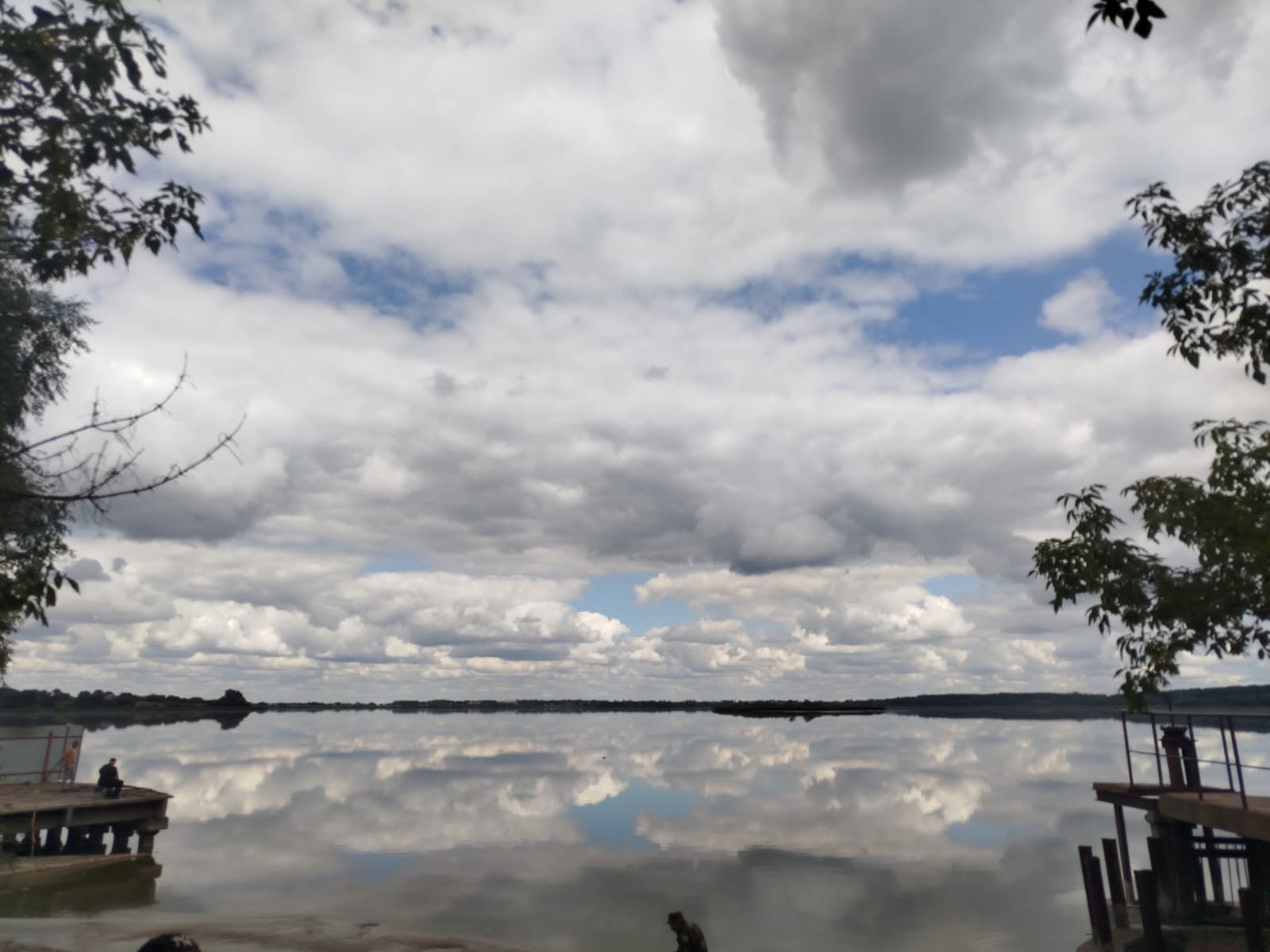
Source: Kyiv Regional Council / Facebook
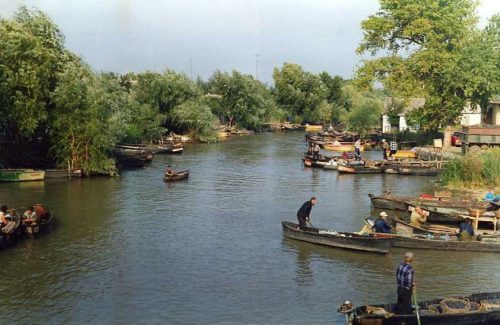
Lakes in the Danube Delta in the Odesa region have once again come under threat of desiccation. At the end of May, the government approved measures to avert a disaster, including the forced filling of the Katlabuh and Kytai lakes.
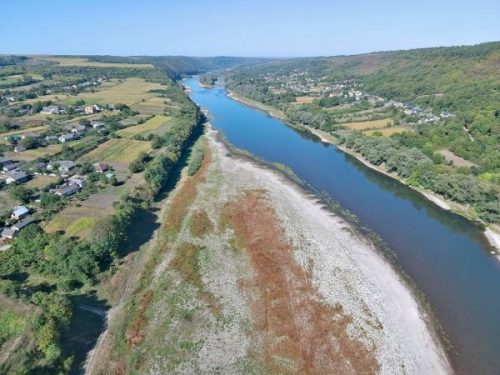
In early August, the Ministry of Economy reported a critical drying up of several Ukrainian rivers, including the Dniester, Western and Southern Buh, Styr, Orava, Turya, and Vicha. Such low-water levels are considered not a normal summer occurrence, but an extreme event. Therefore, the authorities decided to restrict water use for 185 business entities.
Water pollution
Oil product spills due to the war or negligence of local companies–the causes of pollution may vary, but the consequences are equally catastrophic.
For example, the settlement of Letychiv in the Khmelnytskyi region was left without drinking water due to the activities of a local fertilizer producer. For the second time in a year, the company caused critical pollution of the community’s sole water source. Local authorities described the situation as approaching an environmental disaster. Meanwhile, in the village of Ivaniv in Volyn, wells were poisoned by a local mine’s discharged slurry through a network of reclamation channels.
On April 26, the enemy struck the port infrastructure of Chornomorsk. As a result of tank damage, thousands of tons of vegetable oil spilled into the water area. Later, this oil slick began to migrate, reaching the shoreline of the “Tuzly Lagoons” National Park. In the first weeks of May, it was reported there that tens of thousands of m2 of sandy spit had been contaminated by the oil.
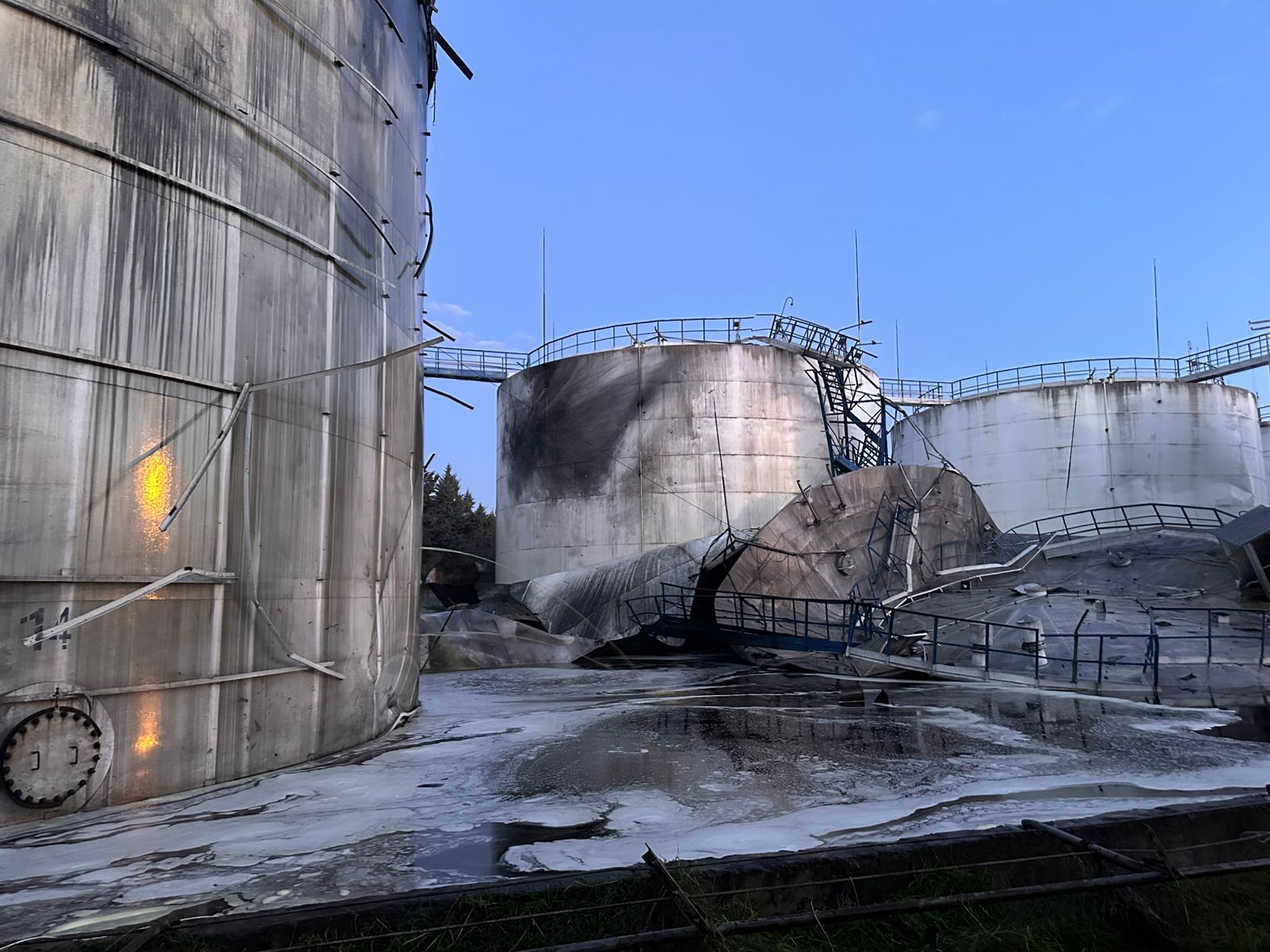
Source: State Environmental Inspectorate of the Southwestern District
Мassive attack on Kyiv, carried out by the enemy during the night of July 2, resulted in damage to a gas station and the leakage of fuel and lubricants into Lake Kyrylivske. The contamination spread over 20,600 m2 of the water body. Petroleum products were collected from the surface of the lake only on July 20, with over 300 cubic meters of pollutant pumped out. However, by July 23 new leaks of petroleum products that pollute the lake shore were discovered.
Mass mortality of dolphins and fish
Due to military activities in the Black Sea, cetaceans are dying – since the beginning of the invasion, it is reported that over 100,000 harbour porpoises, common dolphins, and bottlenose dolphins may have died. However, scientists say that the year 2026 will be even more tragic for dolphins than 2022. According to preliminary estimates, by early July over 20,000 Black Sea cetaceans have already died. The main causes of the tragedy are chemical damage to internal organs due to pollutant leaks, as well as acoustic pollution from explosions and sonar operations. We would also like to remind you what actions to take if you find an injured or dead dolphin.
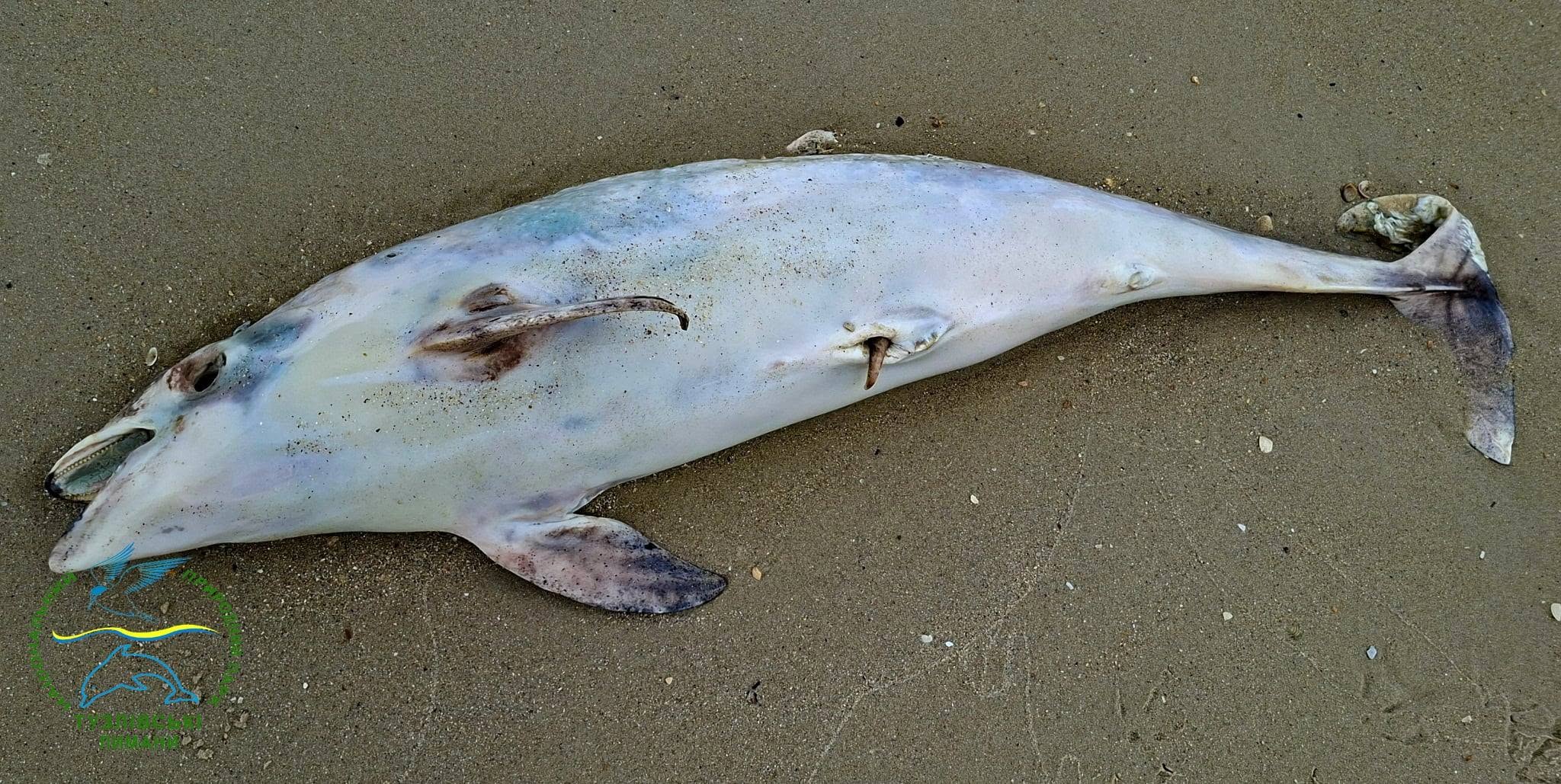
Source: Ivan Rusev on Facebook
However, river fish are also dying – and on a massive scale across various regions of Ukraine. The likely causes vary: both pollution and lack of oxygen in the water. Mass fish mortality was recorded in a pond in Zhytomyr, the city of Kopychyntsi in Ternopil region, near the village of Eskhar in Kharkiv region, as well as in Lviv, Odesa, and Chernivtsi regions. Most often, pollution was found to be the cause of fish deaths. For example, at the Shverydiv pond in the Zhytomyr community, the source of poisoning was leachate from a municipal solid waste landfill operated by the utility “ATP 0628” of Zhytomyr City Council.
Destruction of the Carpathians
The unique ecosystem of the Ukrainian Carpathians is not exposed to the challenges of war. Here, there is enough human activity. In particular, despite legal prohibitions, local mountains are terrorised by off-road vehicle enthusiasts. Nature reserves are forced to block roads with barriers, install hidden cameras, and intensify patrols of the area.
At the same time, an outrageous situation is unfolding regarding the alpine meadows, which continue to be destroyed for the construction of wind power plants. Despite resistance from society, experts, and even members of parliament, topsoil is being stripped in the mountains, while roads are being cut through forests, disregarding the presence of rare Red Book species living there.
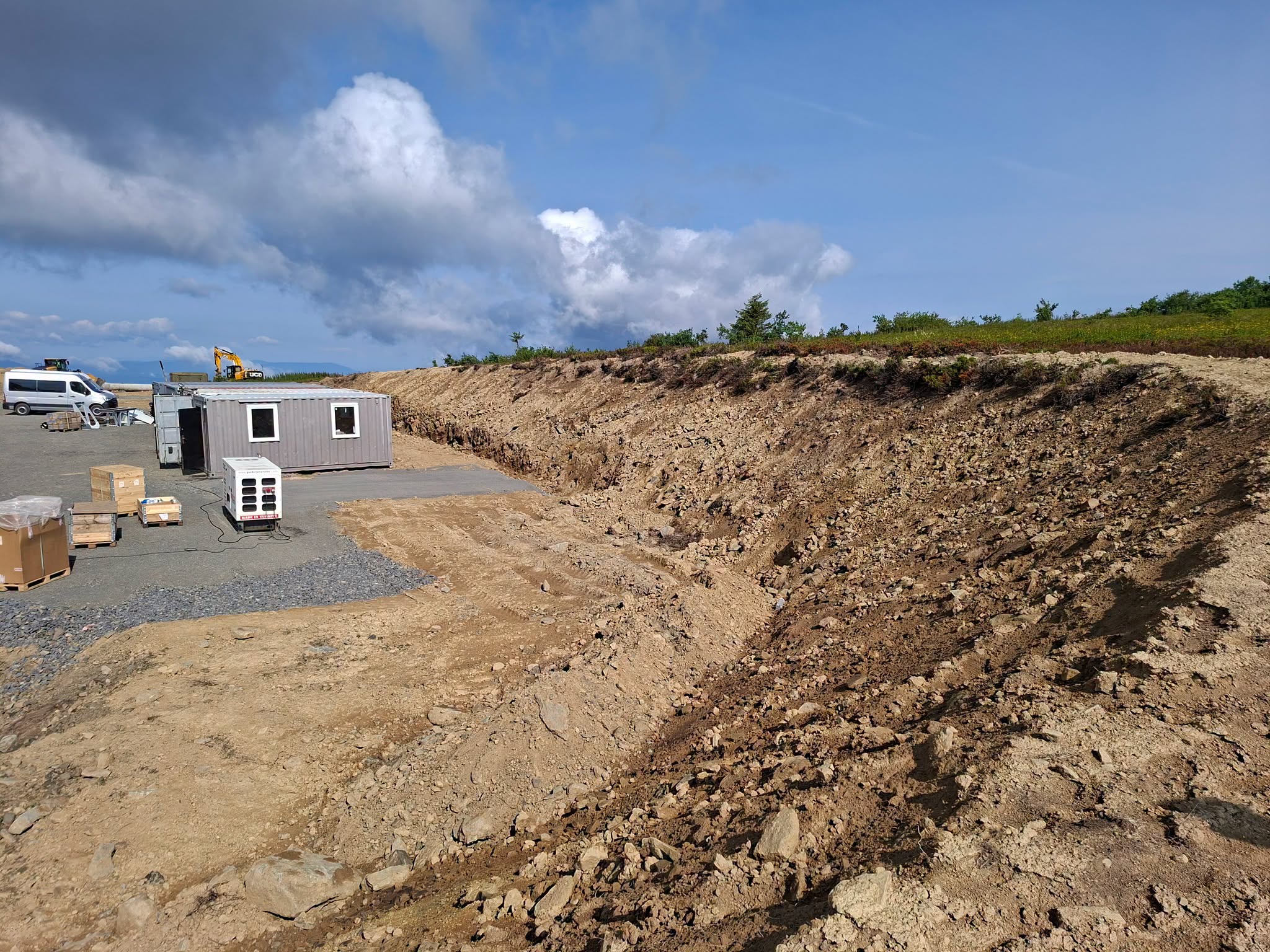
Source: “Ecology – Law – Human” (ELH)|Facebook
Overall, the anthropogenic destruction of ecosystems warrants a separate article, as in most of the aforementioned disasters, humans are to blame one way or another-whether due to war, economic activity, negligence, or the systematic poisoning of the planet with greenhouse gas emissions, which have in turn caused climate change.