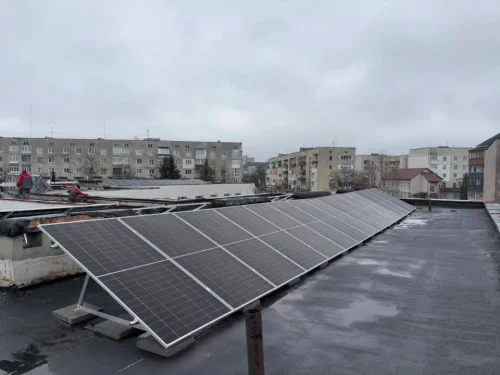
In the USA, $1 billion will be allocated to improve the water and energy efficiency of high-rise housing for low-income people, as well as to adapt to climate change.
The initiative will be funded by the large-scale Inflationary Reduction Act (IRA), The Washington Post reports.
It is noted that in the USA households are offered up to $7,500 for switching to an electric car and up to $2,000 for a new electric heat pump. However, many low-income Americans may not be aware of these subsidies or may not receive them.
The article highlighted that low-income homeowners were offered $837.5 million in grants and $4 billion in loans to install rooftop solar panels, heat pumps and other climate-related upgrades.
According to one US official, the proposed amount is not enough to cover all 23,495 apartment buildings. However, it will help many of them.
The article emphasized that climate change has increased the frequency and severity of natural disasters, which affect low-income communities the most. For example, people cannot insure their housing against floods, which is why they are forced to live in damaged houses. For example, after Hurricane Harvey flooded southern Texas in 2017, 80% of affected households did not have flood insurance and were unable to fully repair their homes.
"New federal spending aims to help strengthen homes before the next disaster strikes," the report said.
People will be able to apply for funding to build reinforced roofs that protect against hurricanes and high winds, or fire-resistant roof tiles that protect against flames. The program will also cover better home insulation, which can prevent heat from escaping in the winter and cool air from escaping in the summer. This will allow families to use their air conditioners or heaters less often, helping them save more money on utility bills.
Earlier, EcoPolitic wrote, that in August 2022, the US Senate approved a bill that provides for more than $400 billion in investments to combat climate change, reduce inflation, and increase access to health care over 10 years. This is the largest American investment aimed at slowing global warming.
As EcoPolitic previously reported, the US company Sunrun Inc. plans to install solar panels on houses with a total capacity of 1 GW in 2023, which is similar to the capacity of a nuclear power plant.