Iceland to build world's largest plant to capture CO2 from the air

Iceland to build world's largest plant to capture CO2 from the air Climeworks
Olena Yatseno

It will absorb 36,000 tons of CO2 from the air annually

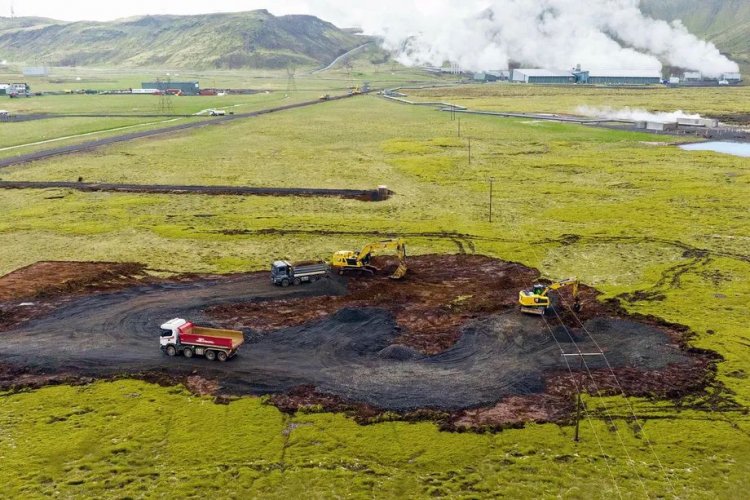
Construction has begun on the world's largest plant in Iceland that will absorb carbon dioxide from the air and bury it underground.

A plant called Mammoth will be built on the Hellisheiði plateau, reports Reuters.

This is another project of the Swiss climate technology company Climeworks.

As a reminder, in September 2021, Climeworks opened the previous largest plant in the world to capture carbon from the air, called Orca. It can capture up to 4,000 tons of carbon dioxide per year, which is roughly equal to the emissions from 790 gas-powered passenger vehicles.

The capture volume of the Mammoth plant will be about nine times higher. When the plant is operational in 18-24 months, it is expected to absorb 36,000 tons of CO2 from the air annually.

The new installation will consist of 80 units of fans and filters that take in air and extract CO2 from it.

Once extracted, the carbon dioxide will mix with water and be pumped underground, where it turns into rock. The technology is being handled by Icelandic carbon storage company Carbfix, using a nearby geothermal power plant.

Before EcoPolicy reported that Taiwan built ecoskyscraper that absorbs carbon dioxide.

Related
The draft law on ETS is ready – Ministry of Economy 

They promise to release the text of the document for public discussion in the coming days

Blocking CBAM mitigation measures, banning ETS offsets: the EU is preparing changes

At the same time, the European Union aims to mitigate the impact of the energy crisis by reducing taxes on clean energy

Carbon pricing: how Ukraine is preparing for the launch of its own ETS. Part 2

The domestic emissions trading system is set to launch in less than two years. Will officials have enough time to properly prepare all the necessary infrastructure?

Greenhouse gas emissions continue to fall in the EU. The reasons are renewable energy and the economic downturn

In particular, economic activity in the construction sector has declined